Waterproofing sealant is not a product category with one performance figure behind it. A silicone sealant can be excellent at keeping rain out of a window joint and still be the wrong choice for a joint that is permanently under water, because the two demand completely different things from the chemistry.
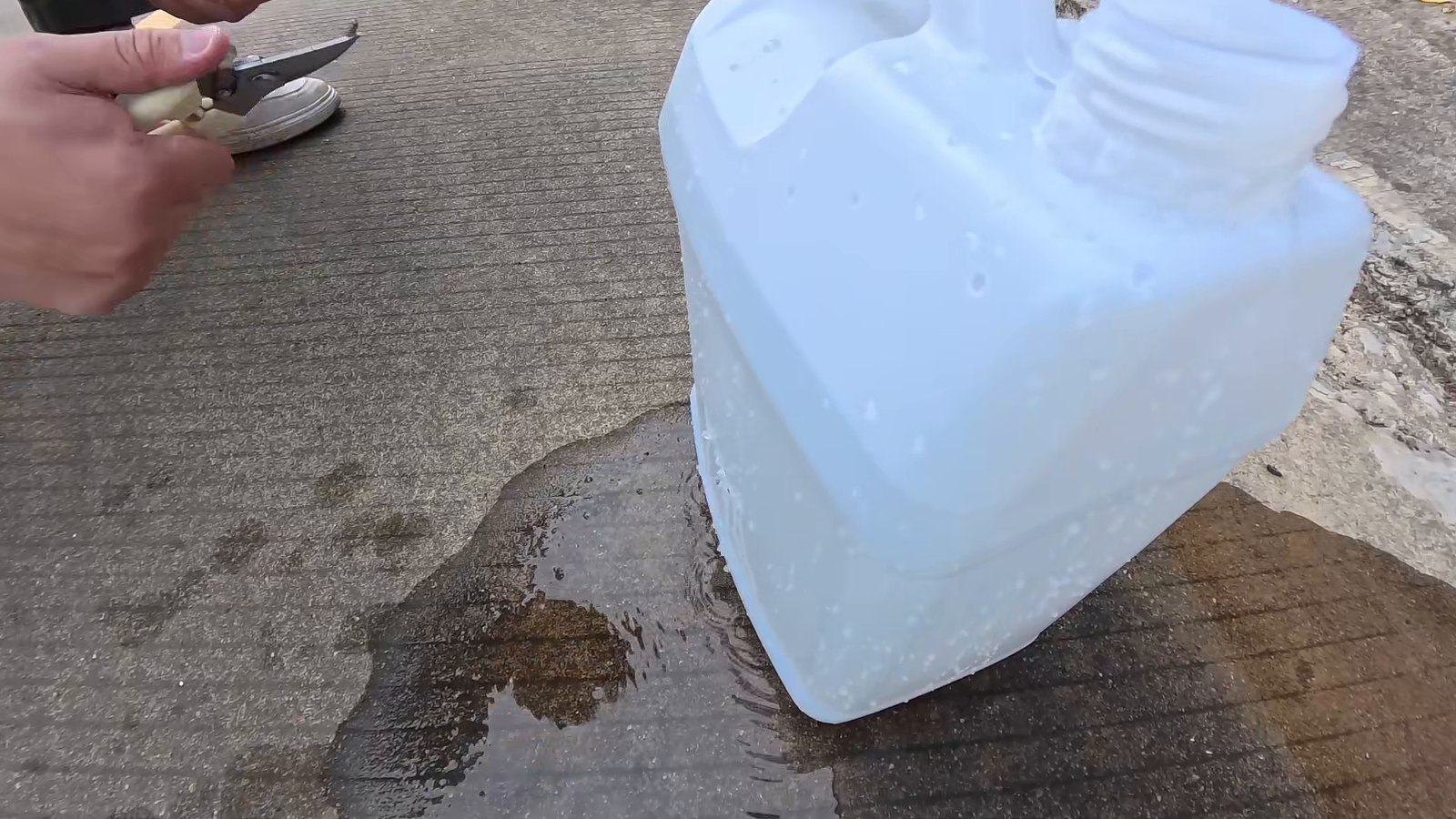
- Weathering resistance is about UV exposure and thermal cycling over years — the sealant must stay elastic without chalking or embrittling.
- Water resistance is about the joint holding under rain, spray and cleaning water, with adhesion maintained across the substrate.
- Neutral cure chemistry is required on coated aluminium, stainless steel and most building substrates.
- Substrate condition matters as much as the sealant — a sealant cannot bond to a damp surface.
- Continuous immersion is a different specification entirely, and most window and door silicone sealants are not approved for it.
What to check when specifying a waterproof silicone sealant
| What to check | Why it matters outdoors | PIROI PR-333 |
|---|---|---|
| Cure type | Acid cure dulls and corrodes coated aluminium and stainless steel | Neutral cure |
| Aging resistance | The sealant must stay elastic through years of UV and thermal cycling | Good aging resistance for long service life |
| Adhesion | Glass, aluminium and stainless steel in the same assembly | Excellent adhesion to glass, aluminium and stainless steel |
| Primer | A primer adds a step to every joint on site or on the line | Generally no primer needed after curing |
| Service limit | Rain exposure and continuous immersion are different requirements | Not for long-term water immersion |
Weathering resistance and elastic recovery
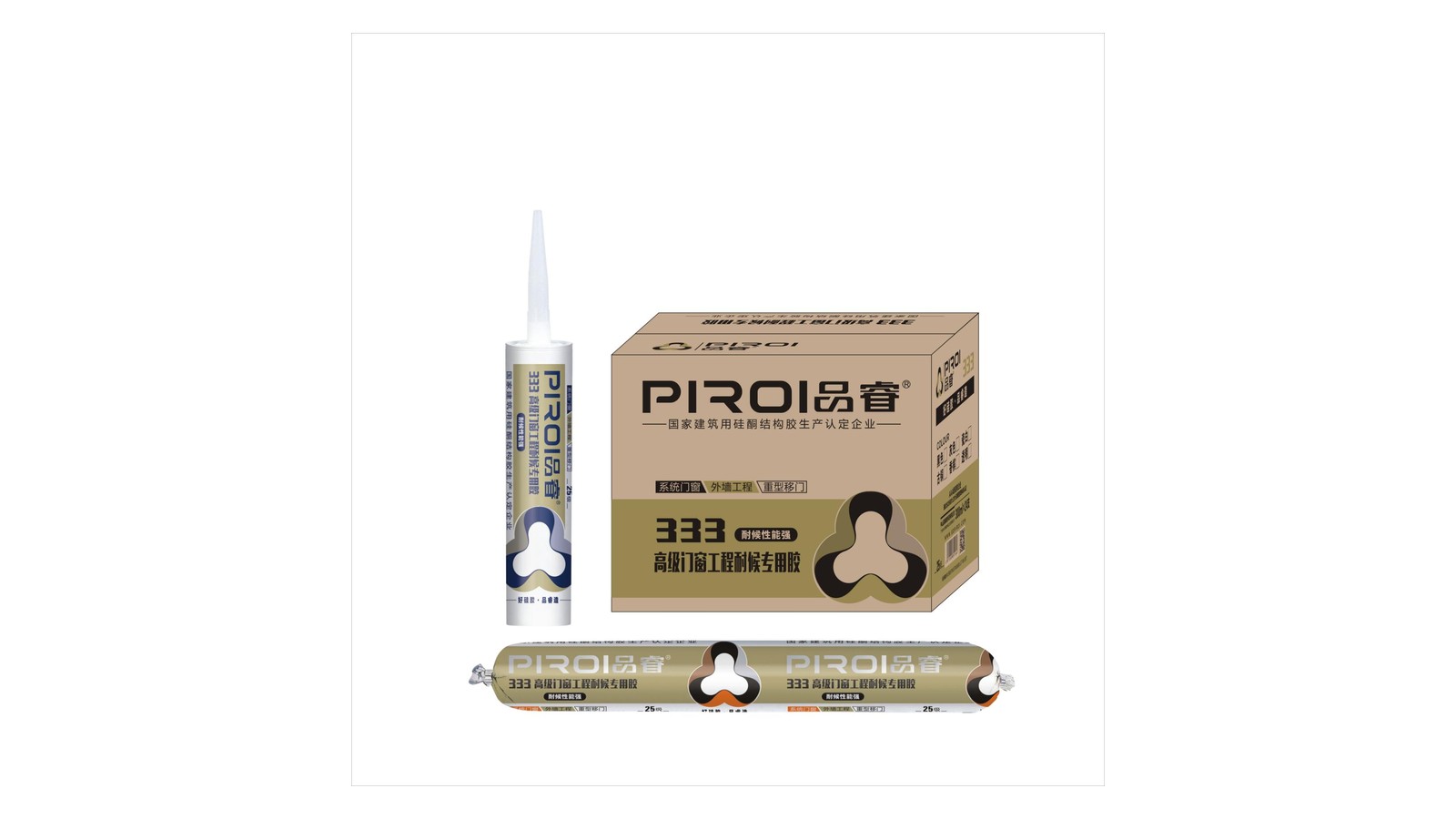
The failure mode of an exterior joint is not the sealant dissolving — it is the sealant hardening. A sealant that loses elasticity in a joint that continues to move will eventually tear, and once it tears the joint is open to water. This is why elastic recovery and tensile modulus at service temperature matter more than tensile strength for exterior work. A rubbery sealant that recovers its original shape after the joint deforms keeps the seal; a stiff sealant that cracks does not. Our PR-333 weatherproof window and door sealant is formulated for long service life, and the curtain wall and facade application page covers exterior joint detailing.
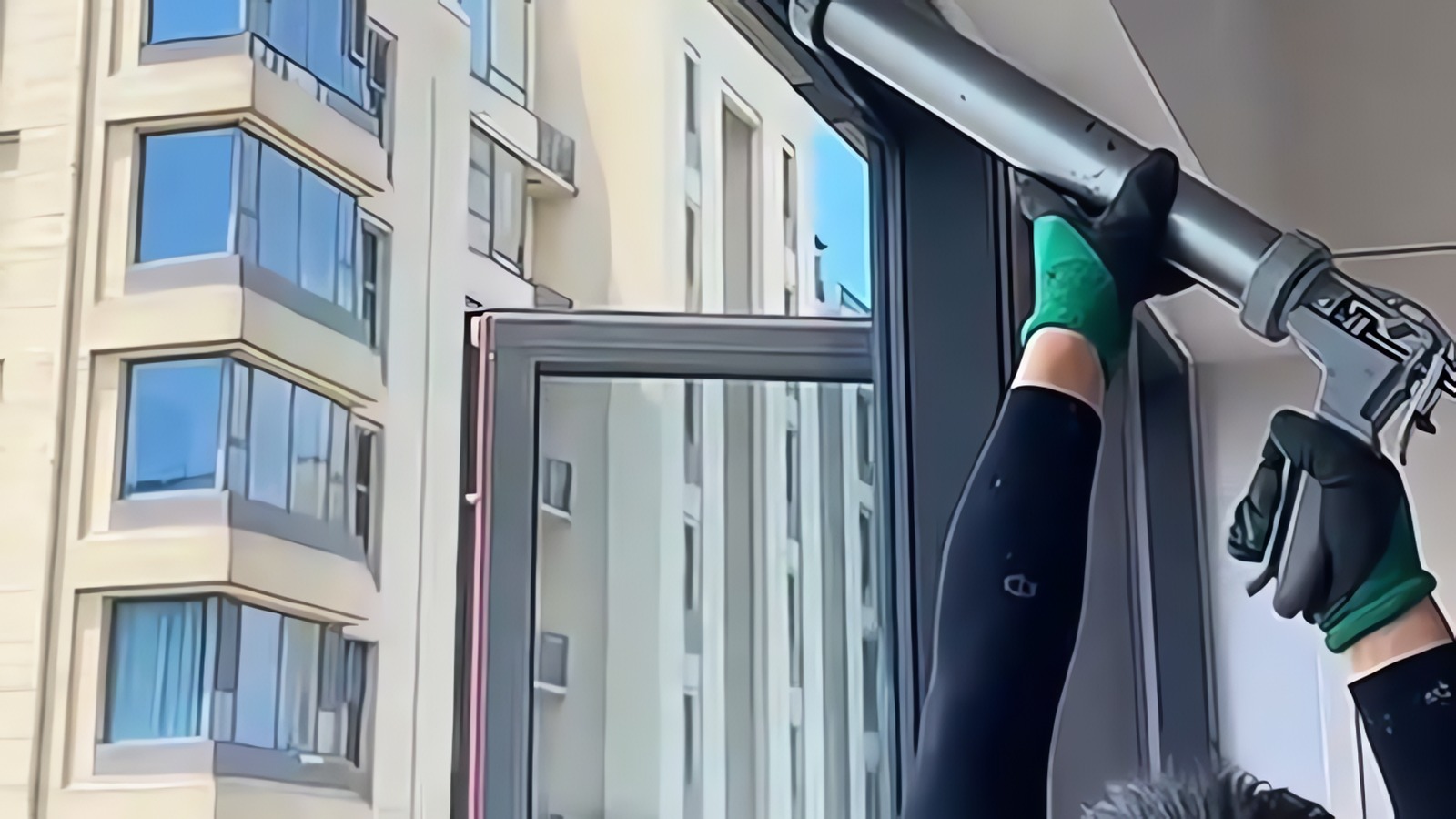
One specification that saves site time: primer
On well-prepared glass, aluminium and stainless steel substrates, a good weatherproof silicone sealant generally needs no primer once cured. This matters commercially — primer adds a step to every joint, and on a production line or a large facade project that step multiplies across thousands of joints.
PIROI PR-333 weatherproof window and door sealant — specifications
Test report 2025ME158, tested to JC/T 485-2007. A neutral cure weatherproof window and door sealant for frame fabrication and installation.
- Weather resistant for outdoor durability
- Good aging resistance for long service life
- Excellent adhesion to glass, aluminium and stainless steel
- Generally no primer needed after curing
- Specifically for window and door fabrication and installation
- Transport as non-hazardous goods
- Shelf life 12 months; 300mL cartridge and 590mL sausage packaging
Typical applications
- Door and window fabrication and installation
- General construction sealing
- Glass and aluminium joint sealing
- Stainless steel and metal panel joints
Application notes
- Apply between 4°C and 40°C
- Do not apply on damp surfaces
- Not for long-term water immersion
- Not to be used as a structural sealant
PIROI is a silicone sealant manufacturer in Zhongshan, China, producing neutral cure silicone sealant for facade, window and door, sanitary, industrial and fire-rated applications. We support OEM and private label packing, sample testing before bulk orders, and full-container export. Contact us for the PR-333 data sheet, MOQ and lead time, or see the silicone sealant specifications for the full range.