Choosing a fire rated silicone sealant is one of the few decisions where the buyer has to read a classification rather than a claim. A product that “resists fire” tells you nothing. What tells you whether it will hold a smoke or flame path is the standard it was tested to, the classification it returned, and the joint detail it was tested in.
This guide is how to read those three things, and how to avoid the two mistakes that appear most often on fire-stopping specifications.
Step 1 — Read the classification, not the claim
A fire rated silicone sealant is described by a classification code, and that code carries the whole spec. For a sealant tested to GB/T 24267-2009, the classification is a string like SR FV-0 (3.0 mm) 7.5P:
| Part of the code | What it means |
|---|---|
| SR | Silicone rubber — the chemistry of the sealant |
| FV-0 | The flame retardant grade, on the same scale used for many plastics |
| (3.0 mm) | The minimum joint width the result applies to |
| 7.5P | The fire integrity period in an hour-based rating — 7.5 hours in this test |
When a buyer asks a fire rated silicone sealant manufacturer for a grade, the answer should be a classification code with the test standard, not a sentence saying the product is fireproof. If the supplier cannot give you the classification and the test standard, the only safe response is not to take the claim on faith.
Step 2 — Read the test values that back the code
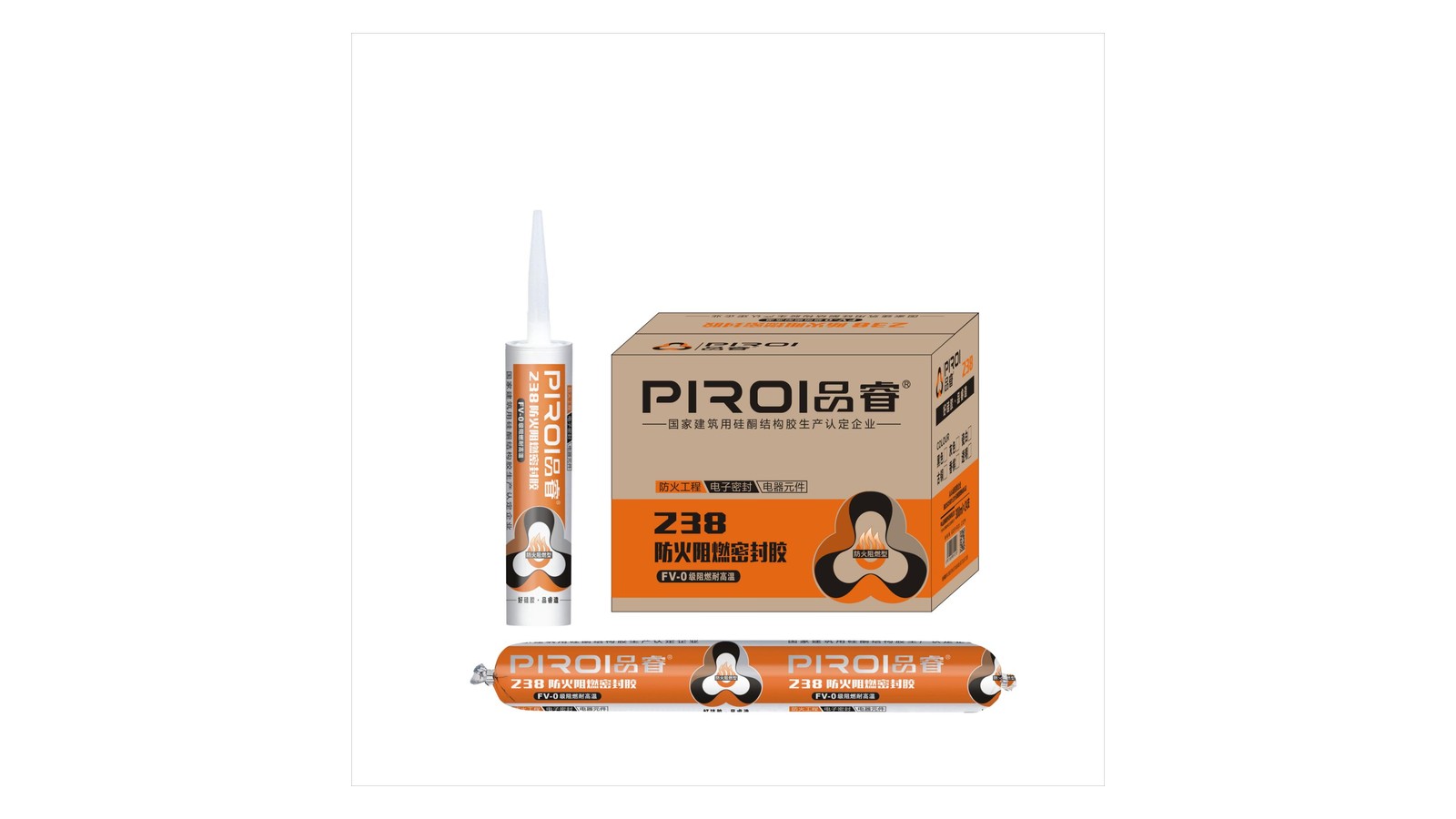
The classification is the summary; the measured values are the evidence. On PR-238, the values are reported against GB/T 24267-2009:
| Test | Measured value | Limit | Why it matters |
|---|---|---|---|
| Total flame time, 5 specimens | 0 s | max 50 | How quickly the material self-extinguishes |
| Afterflame after 2nd application | 0 s | max 30 | It does not keep burning once the flame source is removed |
| Flame spread to clamp | None | — | It does not pass flame along its surface |
| Mass loss | 3% | max 25 | How much the bead loses under heat |
| Elastic recovery | 88% | — | It keeps its movement after exposure |
Two of those values are worth the most attention. The zero afterflame and zero flame spread are what make the grade genuinely self-extinguishing rather than merely slow to burn. Our guide to reading a fire rated silicone sealant rating expands every field on a report like this one.
Step 3 — Match the sealant to the penetration, not the wall
Fire stopping is a detail, and a silicone sealant classification only holds in the detail it was tested in. Three things decide whether a fire rated silicone sealant fits: Three things decide whether a grade fits:
- The substrate. A sealant tested for concrete penetration is not automatically right for a pipe passing through steel, or for a cable tray in a floor.
- The void size. Returned results are stated at a minimum joint width. A wider joint may not meet the same integrity period.
- The movement. A fire rated grade still sees thermal and building movement, and it has to keep its elasticity — which is why the elastic recovery figure matters as much as the flame time.
Where a joint moves similar to a window or curtain wall, the sealant also has to satisfy the weatherseal requirement. Our fire stopping application page sets out the detail types we test against.
Step 4 — Check the whole system, not only the sealant
A fire rated sealant is one part of a penetration seal. The integrity of the assembly depends on the backer, the sealant depth and the way the sealant is tooled, not only on the material. A specification that names a grade but leaves the installation to chance will not meet the classification the datasheet promises.
For a smoke and flame path inside a building, the sealant has to be applied in the joint detail the standard tested — with the backer rod in place, the bead at the specified depth, and the surface clean. Our guide to writing a silicone sealant specification takes the joint detail into a full clause.
What to ask a fire rated silicone sealant manufacturer
- The classification and the standard — not a marketing sentence.
- The measured values — flame time, afterflame, flame spread, mass loss, recovery.
- The minimum joint width the result applies to.
- A batch CoA — every batch is coded, tested before release and archived for 18 months with its own Certificate of Analysis.
- Adhesion to your substrate — Bond a sample to your actual pipe or cable tray, not only a generic block.
Buying the grade
- MOQ — 1,000 cartridges per model for private label, mixed models from 3,000.
- Lead time — typically 15 to 25 days after artwork approval.
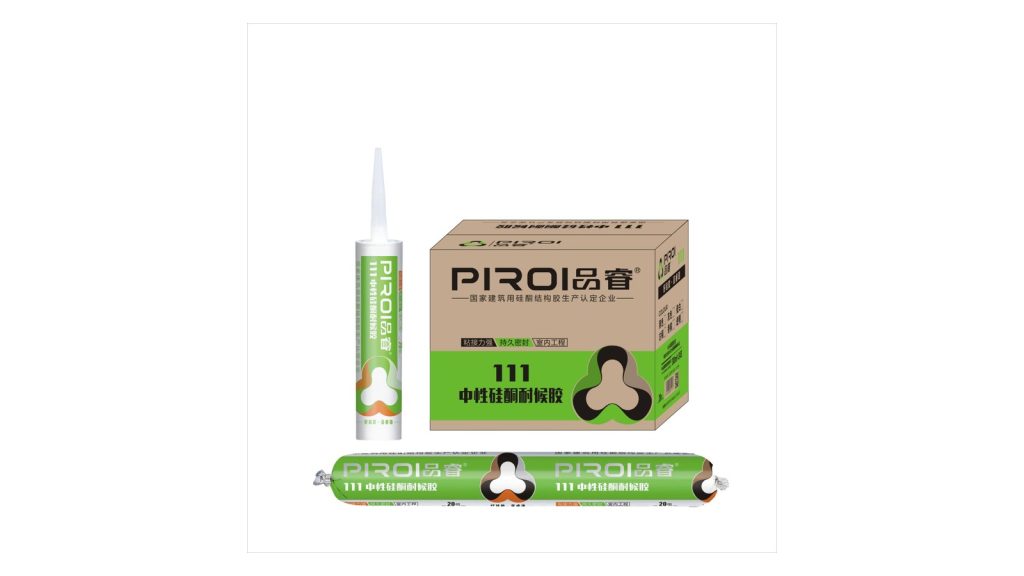
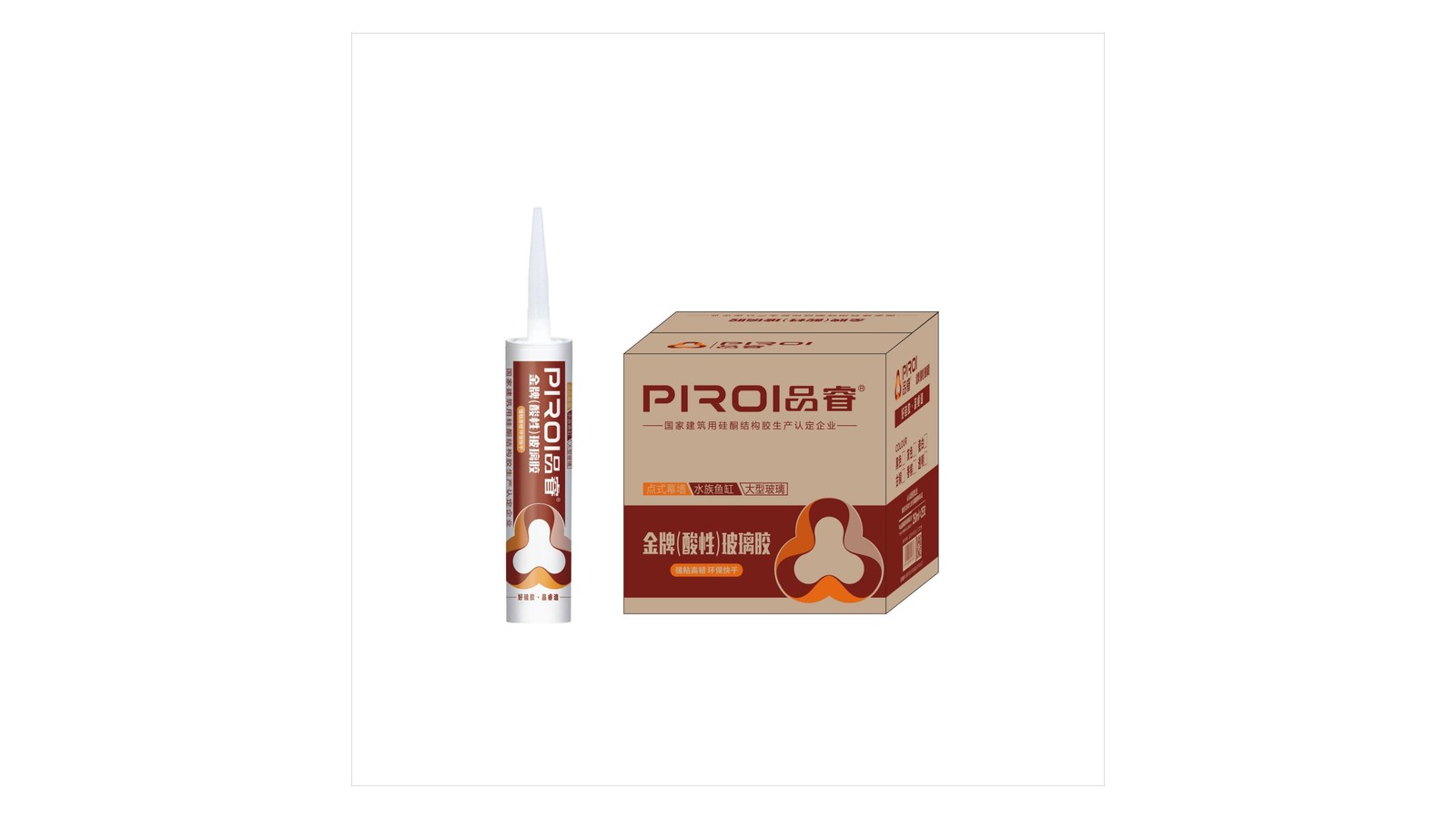
- Packaging — 300 mL cartridges and 590 mL sausages, non-hazardous for transport.
- Samples — supplied before mass production so the bead can be tested in the actual penetration.
- OEM — formulation adjustment plus cartridge and label artwork in-house.
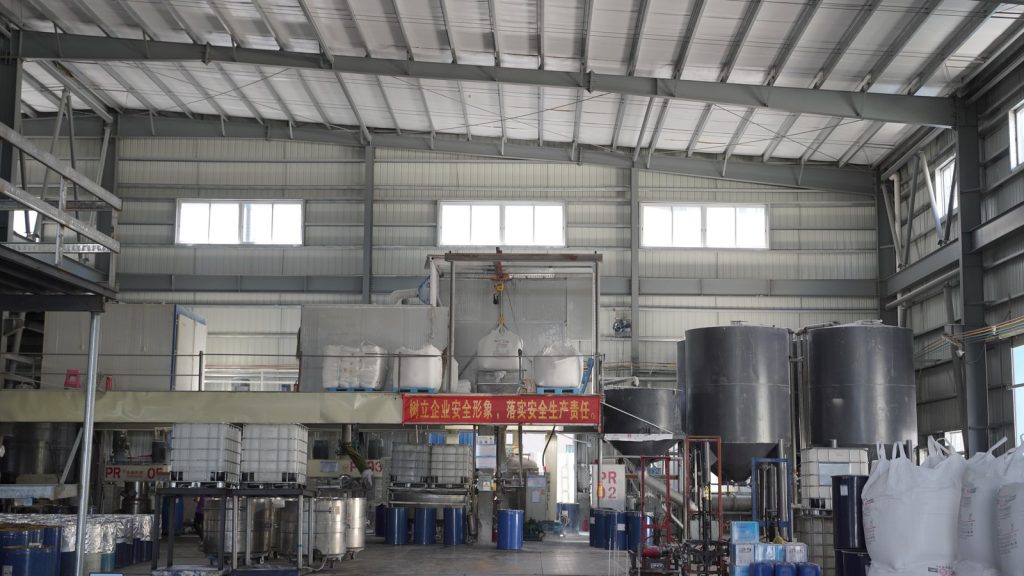
Send the penetration type, the substrate, the void size and the movement the joint will see, and our technical team will confirm the grade and the classification evidence We fill and test every fire rated grade at our own factory in Zhongshan, Guangdong, so the classification and the batch records are issued by the manufacturer. — or start from the PIROI site for the full range.