A curtain wall is the one application where specifying the wrong silicone sealant is unrecoverable. The sealant is on the load path, it is exposed for the life of the building, and the failure mode is not a leak you can re-caulk — it is a panel that lets go. That is why the supplier question for a curtain wall is not “who is cheapest” but “who can document both positions”.
This guide sets out what a curtain wall silicone sealant supplier has to provide, position by position, and how to verify it before the order.

The two positions, and why they are not interchangeable
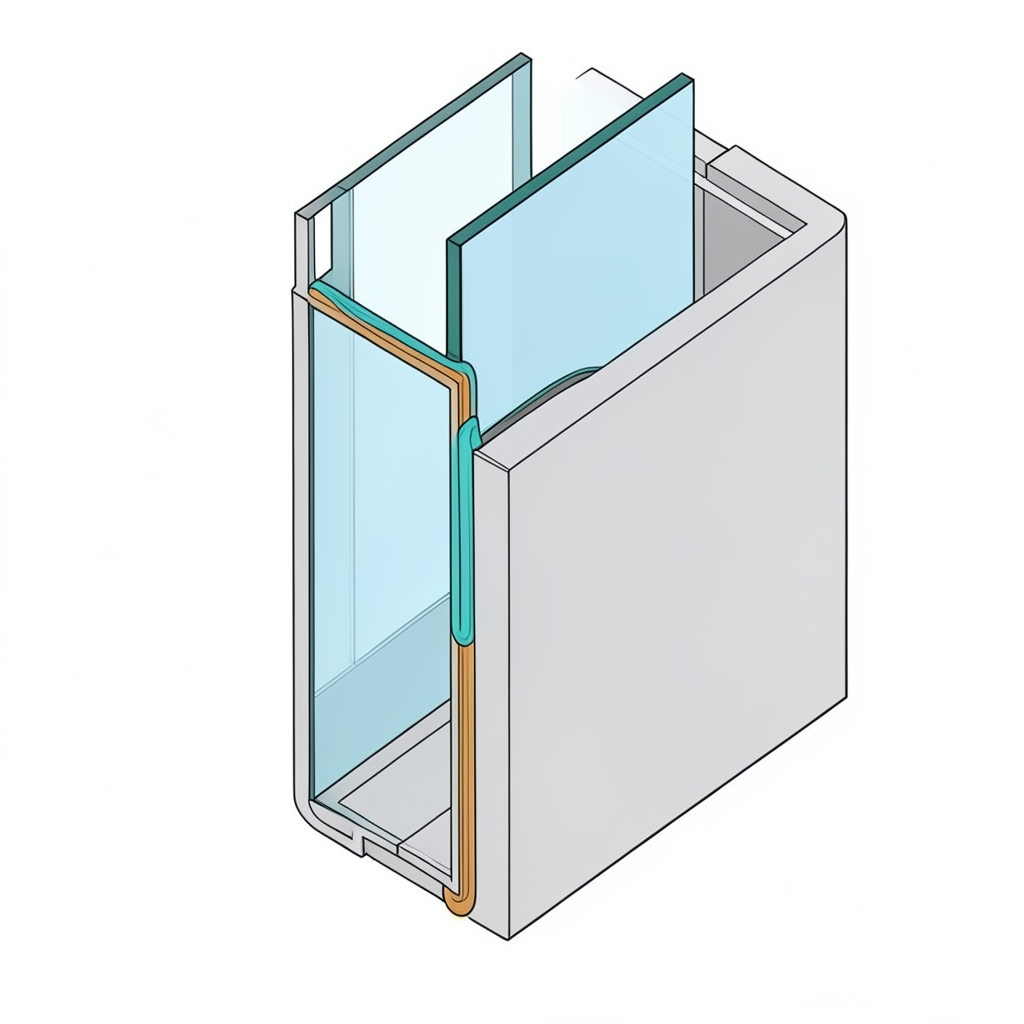
Almost every glazed facade uses two different products in adjacent joints. Confusing them is the most expensive error in facade work:
| Structural position | Weatherseal position | |
|---|---|---|
| Job | Transfers wind load from glass to frame | Keeps water and air out of the perimeter joint |
| Load | Load-bearing, part of the structural design | Carries no load |
| Standard | GB 16776-2025 | GB/T 14683-2017 |
| Specified by | Engineer, inside an engineered system | Joint design and movement class |
The two must also be chemically compatible, because they sit in the same system. That is why a supplier who can only quote one of them forces you to buy the other elsewhere — and compatibility becomes your problem. The comparison is set out in the guide to the two positions.
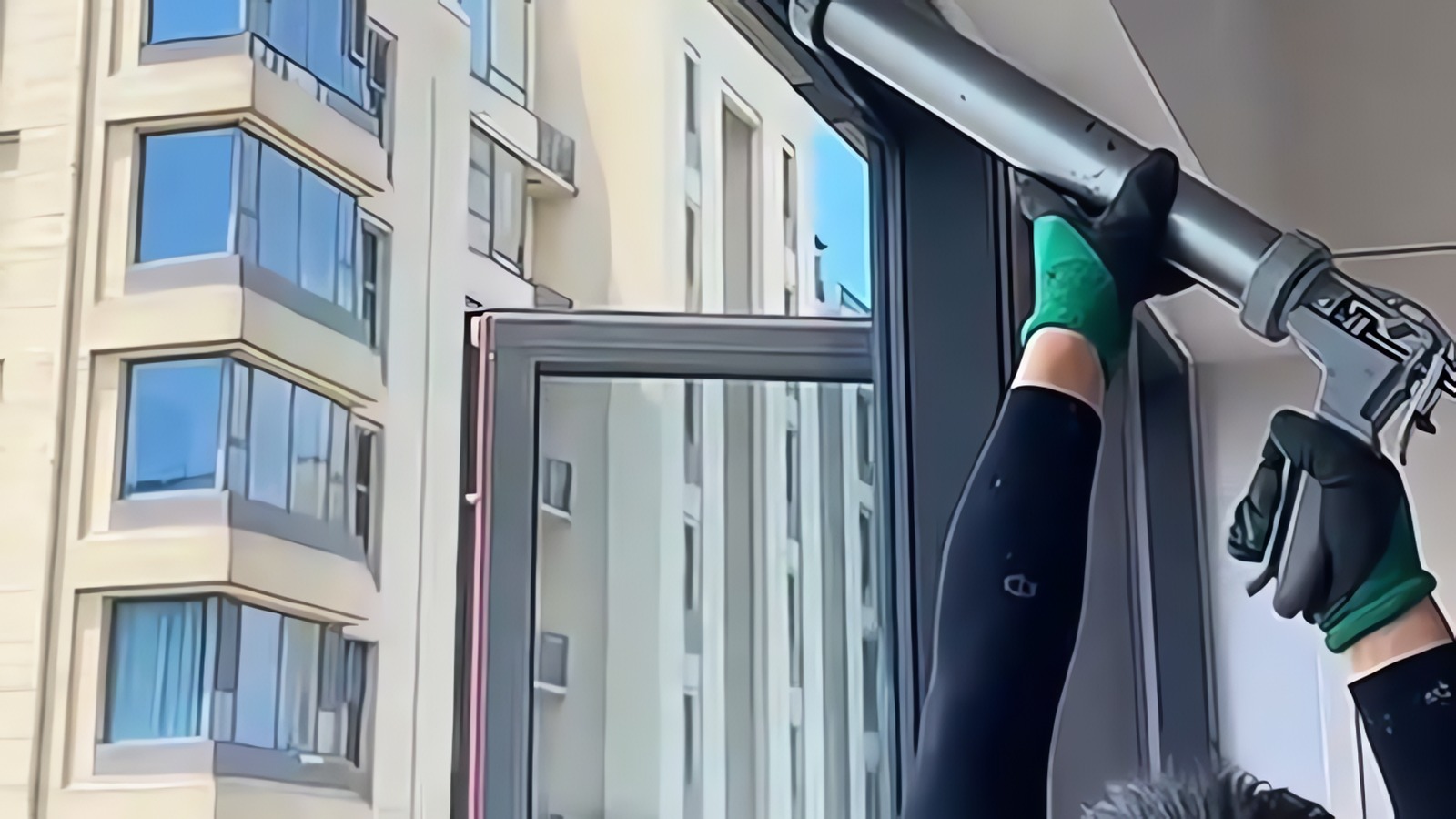
Structural position: the numbers that matter
The structural grade is specified against GB 16776-2025, and the report has to come from the batch supplied. Our structural grade, PR-999, is a one-component neutral cure silicone with these tested values:
- Tensile adhesion strength at 23°C: 0.85 MPa against a 0.60 MPa minimum.
- Elongation at maximum tensile strength: 205% against a 100% minimum.
- Shear strength: 0.89 MPa against a 0.60 MPa minimum.
- Heat ageing mass loss: 4.3% against a 6.0% maximum.
- Tensile adhesion after water immersion: 0.93 MPa.
Those figures are on the structural silicone sealant page with the full test table. A supplier who cannot produce the report for the batch, rather than a datasheet extract, is not a supplier for this position.
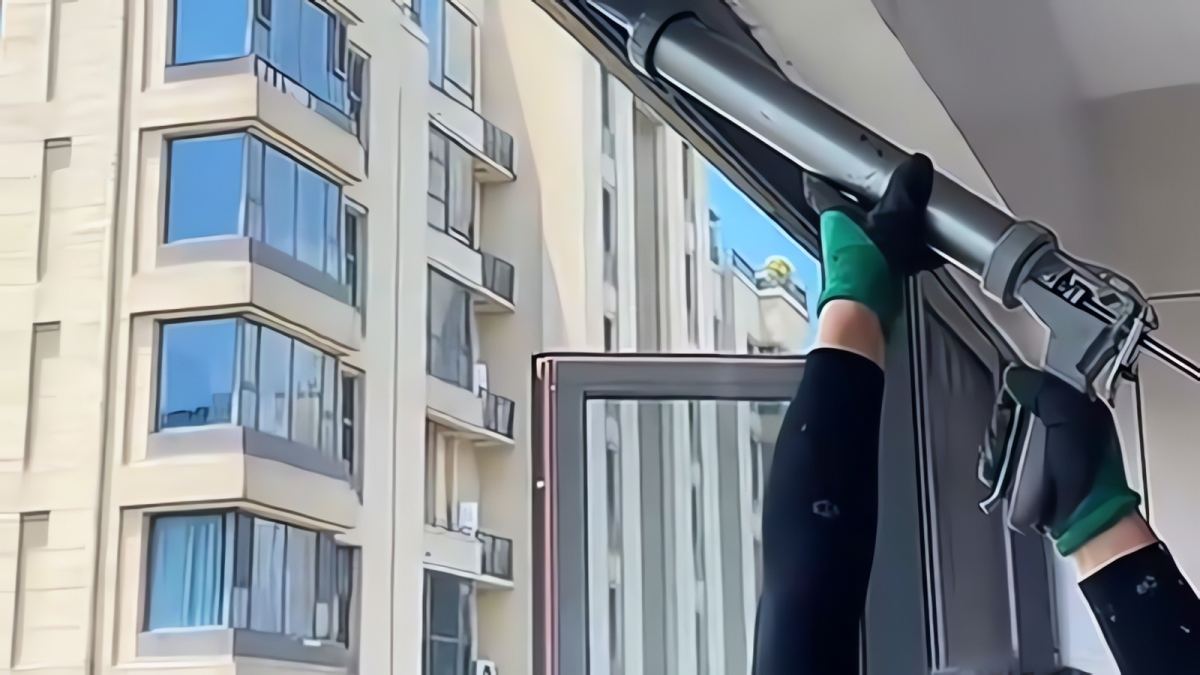
Weatherseal position: movement class and recovery
The perimeter joint has to absorb thermal movement and inter-storey drift without tearing. The movement class says how much it can take: Class 25 absorbs ±25% of the joint width, Class 50 absorbs ±50%.
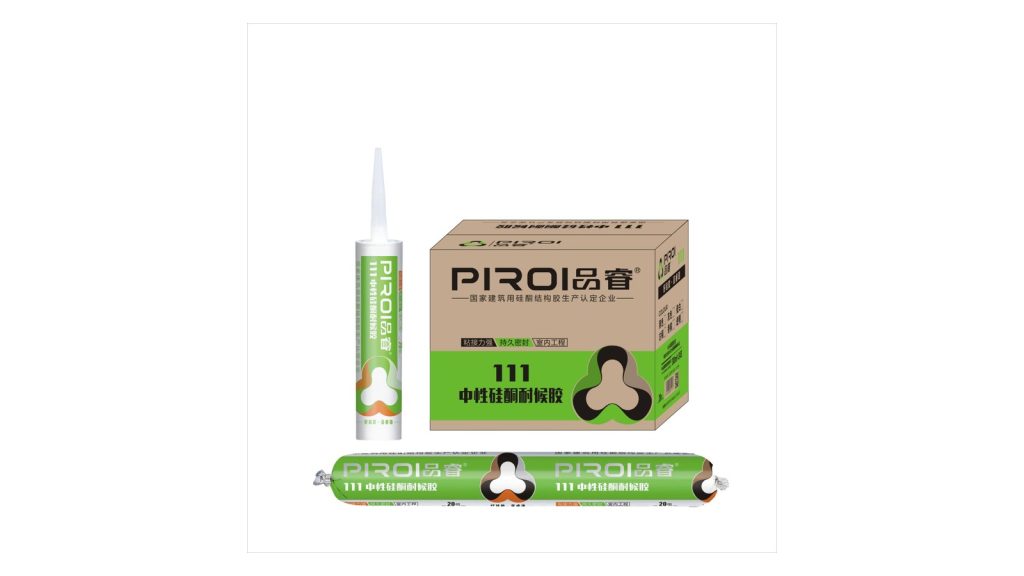
Our curtain wall weatherseal grades are built to GB/T 14683-2017 in a 590 mL sausage format for facade tooling:
- PR-520 all-round neutral curtain wall sealant — extrusion rate 543 mL/min, tack-free 0.8 h, sag resistance 0 mm.
- PR-888 premium neutral curtain wall sealant — elastic recovery 92% against an 80% minimum, extrusion rate 519 mL/min, tack-free 1.2 h.
Elastic recovery is the number that decides whether a joint recovers after movement or stays deformed. 92% is the figure to ask for if the facade sees large temperature swing. Both grades are listed with their full tables on the full silicone sealant range.
What a curtain wall supplier must provide per position
- The standard and the batch report for each product — GB 16776-2025 for structural, GB/T 14683 for weatherseal.
- A compatibility statement where both positions come from one supplier.
- The movement class stated on the product, not inferred.
- Batch traceability — every batch coded, tested and archived for 18 months with a retained sample and Certificate of Analysis.
- Third-party reports from a CNAS / CMA accredited laboratory, with the report number.
The accredited reports behind our range are listed on the certifications page, and how to read one is covered in the buyer’s guide to lab reports.
MOQ, lead time and OEM terms
Curtain wall projects are usually specified first and ordered second, so the commercial terms matter as much as the technical ones:
- OEM and private label — from 1,000 pcs per model, with your brand and artwork.
- Mixed-model trial order — from 3,000 pcs in total across models and formats.
- Stock items — from 500 pcs in standard PR-series packaging.
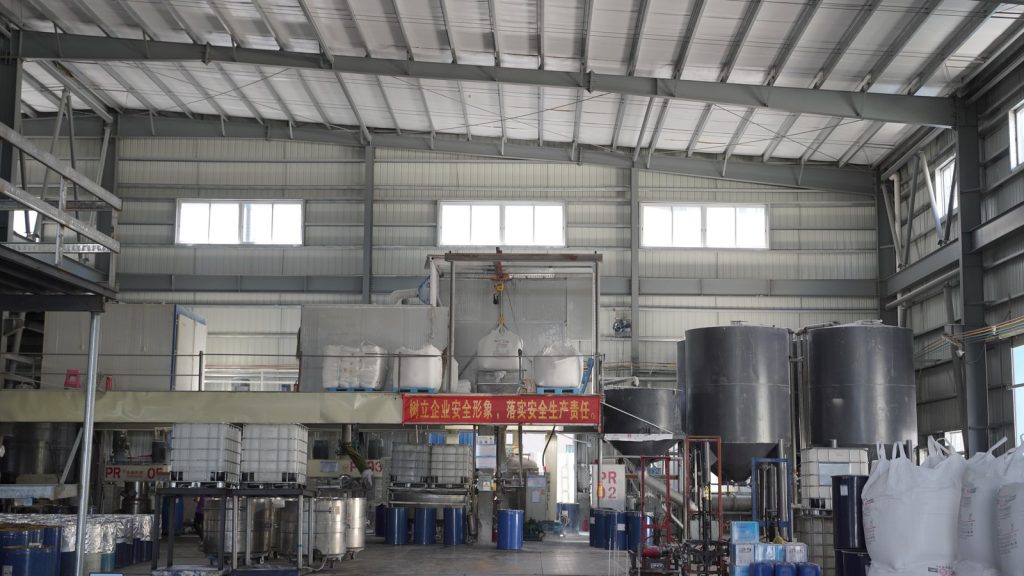
Production lead time is typically 15–25 days after artwork and sample approval, and the sample ships with the batch documentation so the specification can be verified before the facade package is released. We manufacture on a 20,000 m² base in Zhongshan with 8 automated filling lines — the setup is documented on the factory page.
How to qualify a curtain wall supplier
- Ask for both positions, not one. A supplier with only the weatherseal grade leaves the structural joint to someone else.
- Ask for the structural batch report and check the minimum columns, not just the measured value.
- Ask for the elastic recovery figure on the weatherseal grade.
- Ask for the compatibility statement covering the two products together.
- Ask who issues the reports — the manufacturer or a forwarder.
We supply both positions from one factory, so the compatibility question is answered on paper rather than between two suppliers. Send the facade joint detail and the movement calculation, and our technical team will confirm the grade against the substrate and the class before the specification is issued — see the PIROI range for the full model list.
Auditing a curtain wall sealant manufacturer
The phrase curtain wall sealant manufacturer is used loosely: the company that answers your enquiry may formulate the sealant, or may simply buy finished cartridges and re-label them. The difference matters when a joint fails at year eight and the specification has to be defended, because only a real curtain wall sealant manufacturer can show you the formulation records behind the batch.
Five questions separate the two, and each one is answered with a document rather than a claim:
- Which line does my order run on? Cartridge filling and sausage filling are separate lines under one roof at our plant. A supplier who cannot name the line is subcontracting.
- Can you change the formulation for my market? Cure speed, modulus and adhesion build are adjustable variables. A reseller can only offer what is already on the shelf.
- Where is the batch record? Every batch is coded, tested before release and archived for 18 months with its own Certificate of Analysis, so a cartridge traces back to its raw material lot.
- Which test report sits behind the datasheet? Our grades are tested to GB/T 14683-2017 with measured values on the report; a summary sheet is not a report.
- Who signs the CoA? An in-house laboratory signs its own results. If the CoA arrives from a third party you have never heard of, ask why.
An audit visit answers all five in an afternoon: the mixing hall, the filling lines, the laboratory and the retained sample archive are all on one site in Huangpu Town, Zhongshan. Where a visit is not practical, we send the same records instead.
Choosing and installing curtain wall sealants: the four decisions
Every curtain wall package comes down to four decisions, and getting them in the wrong order is what makes choosing and installing curtain wall sealants harder than it needs to be:
- Position first. Structural or weatherseal. A structural bead carries load to GB 16776; a weatherseal bead keeps water out to GB/T 14683. They are not interchangeable and they are not the same product.
- Substrate second. For silicone sealant for aluminium curtain wall work, the aluminium is anodised or powder-coated and the glass may be coated or reflective — both require neutral cure, and the coating may require an adhesion test before the order rather than after.
- Movement third. Size the joint from the real surface temperature range, not the air temperature. A dark panel in direct sun runs 40–50 °C above ambient, so a calculation using air temperature underestimates the movement by a third or more.
- Installation last — but specified early. Backer rod sized about 25% larger than the joint width, width-to-depth ratio around 2:1 up to 12 mm, and tooling at the right moment. On curtain wall the joint is often deeper than it looks because of the frame rebate, which is exactly where three-sided adhesion happens if no backer is used.
Where a specification has to answer how to choose a sealant for curtain wall construction, the shortest honest answer is: name the position, name the substrate, state the movement class from a calculation, and state whether the joint is accessible for repair. Those four lines remove most of the ambiguity that leads to a failed joint.
Our grades for these positions are PR-999 (structural, GB 16776-2025, tensile adhesion 0.85 MPa) and PR-888 (weatherseal, GB/T 14683-2017, mass loss 4.2%, elastic recovery 92%). The joint width calculator runs the movement calculation from panel material, length and surface temperature range.
For silicone sealant for aluminium curtain wall packages, the aluminium is usually anodised or powder-coated and the glass may be coated or reflective. Both substrates require neutral cure, and the coating should be adhesion-tested before the order rather than after. Where the specification has to answer how to choose a sealant for curtain wall construction in one line: name the position, name the substrate, state the movement class from a calculation, and state whether the joint is accessible for repair.