A stainless steel sealant has to do two jobs: bond to the metal and protect it from corrosion. The wrong cure chemistry can stain the surface, so a stainless steel sealant is chosen on the cure type first and the weather performance second. This guide explains what to pick for metal and stainless steel facades.
Why cure type matters on stainless steel
An acetic cure or acid-cure silicone releases acetic acid as it cures. On an unprotected metal surface that acid can cause corrosion over time, which is why a stainless steel sealant for a facade or a marine position is usually a neutral cure grade. A neutral cure silicone sealant does not release acid, so it is safer on stainless steel, aluminium and coated metal. See stainless steel silicone sealant for the grade we manufacture.
What to check before you buy
- Adhesion to the metal. The sealant has to bond to the low-energy metal surface, and a neutral cure grade with the right primer-free bond is the usual choice.
- Weather resistance. A metal facade sees UV and rain, so the sealant needs good recovery and weathering performance.
- Corrosion protection. A neutral cure grade avoids the acid stain that an acetoxy grade can leave on stainless steel.
- Colour and finish. Stainless steel facades often need a neutral or translucent sealant that does not read as a dark bead.
- Shelf life and ordering. Confirm the MOQ and lead time and whether OEM or private label is available.
Stainless steel and other metal grades
| Metal | Recommended cure | Key risk |
|---|---|---|
| Stainless steel | Neutral cure | Acid stain and corrosion |
| Aluminium | Neutral cure | Etching from acetoxy |
| Coated steel | Neutral cure | Coating loss from solvent |
| Galvanised | Neutral cure | Zinc reaction |
A silicone sealant for stainless steel and other metals is almost always a neutral cure grade. See the sealant for stainless steel and metal application page.
How to verify the supplier
- Ask for the test report behind the adhesion and weather values, not only the datasheet.
- Ask whether the grade is neutral cure and what the cure by-product is.
- Ask for the batch record for the specific lot you order.
- Confirm a sample is available so the bond can be checked on the actual metal.
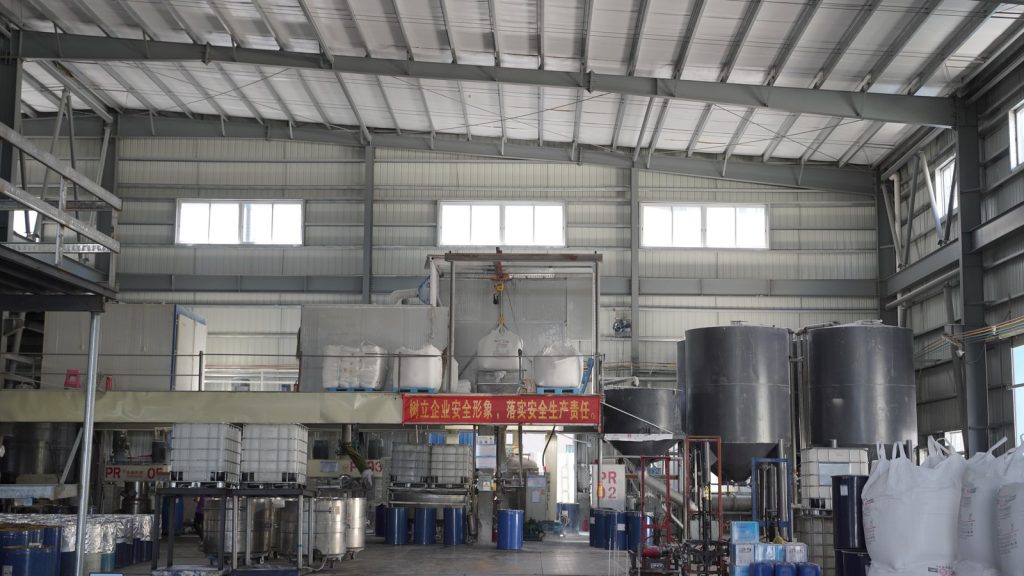
At our factory in Zhongshan we manufacture neutral cure silicone sealant grades and we test each batch before release. A sample is available so you can check the bond and the colour on your metal before the full order. Ask about the MOQ, the lead time and OEM or private label options for your project.
Test standards behind a stainless steel sealant
A stainless steel silicone sealant is tested to a named standard before it is released. For a weatherseal on a metal facade the grade is checked against GB/T 14683 or the equivalent international standard, and the report quotes the modulus, the recovery and the adhesion to the metal. For a structural position the grade is tested to GB 16776 or ASTM C1184. The value a buyer asks for is the one on the test report, not the one on the packaging.
Key parameters to compare
- Modulus. A lower modulus grade moves more easily with the metal, which matters on a coated panel.
- Recovery. The sealant has to return after the metal expands and contracts, so recovery is quoted as a percentage.
- Adhesion. The bond to the stainless steel or coated metal is tested with a peel or pull test.
- Temperature range. A metal facade can be hot in the sun and cold at night, so the grade is quoted over a range.
- Colour stability. A dark or translucent neutral grade is chosen so the bead does not read as a stain.
Common mistakes to avoid
The most common error on a metal facade is choosing an acetoxy grade because it cures faster. The acetic acid it releases can etch or stain the metal and the coating over time, so a neutral cure grade is the safer choice for stainless steel and aluminium. The second error is judging the grade by the colour or the pack label rather than by the test report, which means the joint may not move or bond as the metal demands. Ask for the batch record and the retained sample so the grade can be traced back to the specific lot.
For a metal facade the same neutral cure grade family is used in the stainless steel silicone sealant and the wider building range shown on the full silicone sealant range and the stainless steel and metal application page.