A solar installation is specified for a service life of decades, and the silicone sealant is one of the few components that has to survive that entire period without maintenance access. Specifying it on price rather than on ageing behaviour is how a mounting system ends up with a resealing programme it was never budgeted for.
This guide covers what to look for in a solar panel sealant, and where the specification usually goes wrong.
Four requirements, in order of importance
- UV resistance. This is the primary design requirement for a solar grade. The sealant sits in direct sunlight for the life of the installation, so the formulation has to resist chalking and surface degradation rather than merely tolerate occasional exposure.
- Thermal cycling. A module heats and cools every single day of its life. The sealant has to stay elastic across that daily swing, which is the property that matters most on a module — not the peak temperature rating.
- Adhesion to anodised aluminium. Module frames and mounting systems are almost always anodised. Neutral cure is required: no acetic acid is released to attack the anodised layer or the module edge seal.
- Hydrolysis resistance. Outdoor exposure means water, and for coastal installations, salt. The chemistry has to resist hydrolysis over the service life rather than degrading slowly in place.
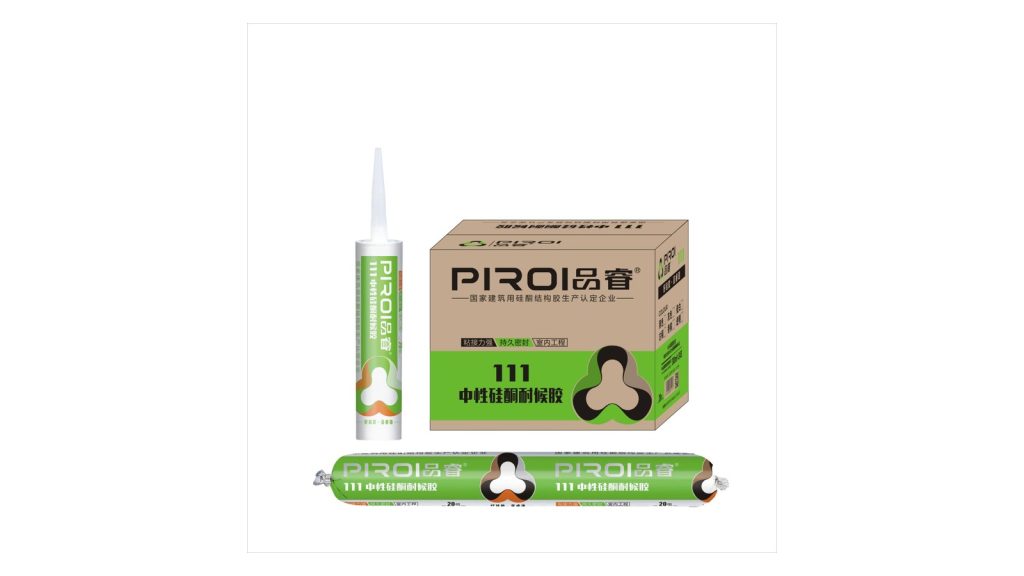
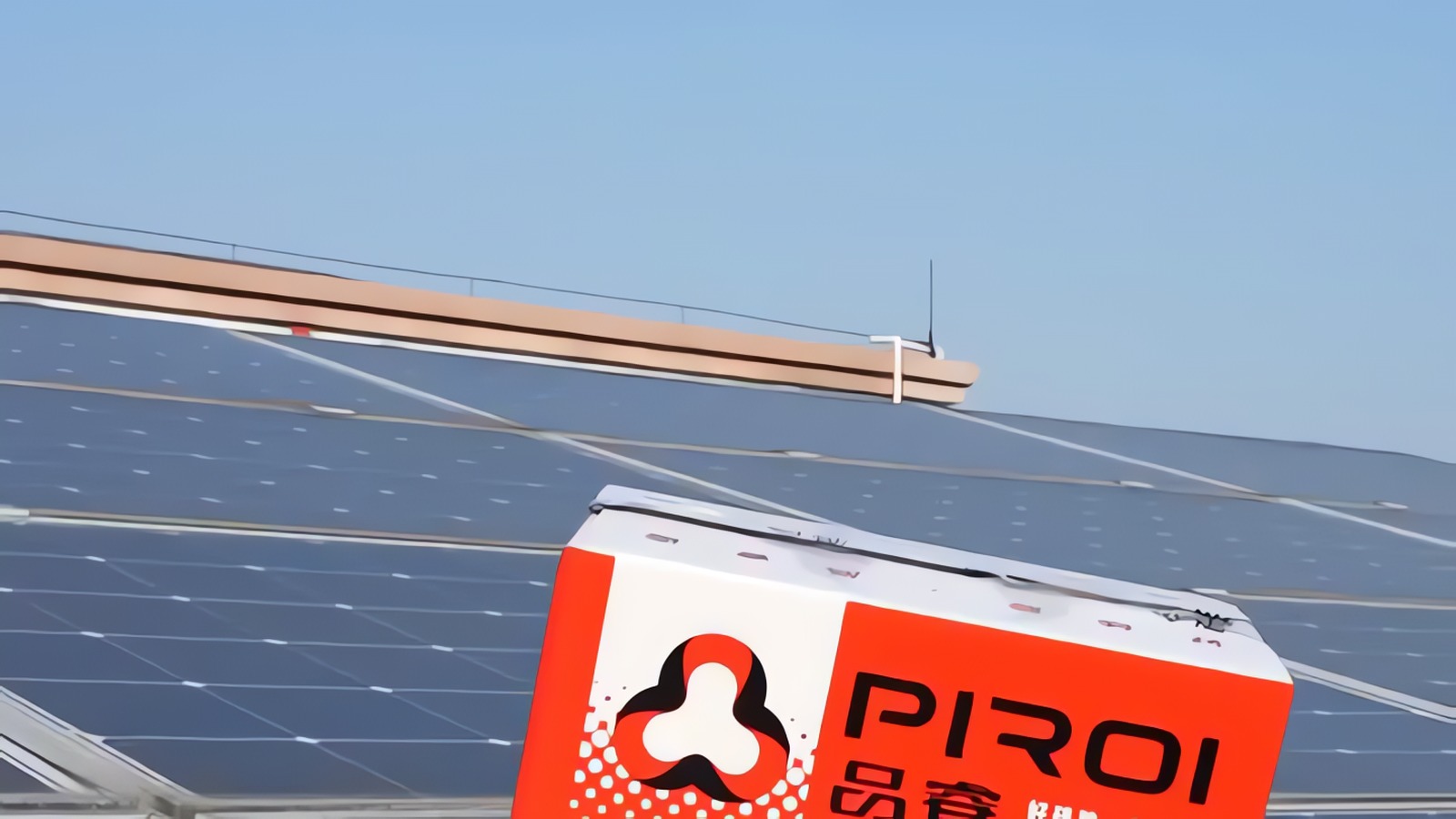
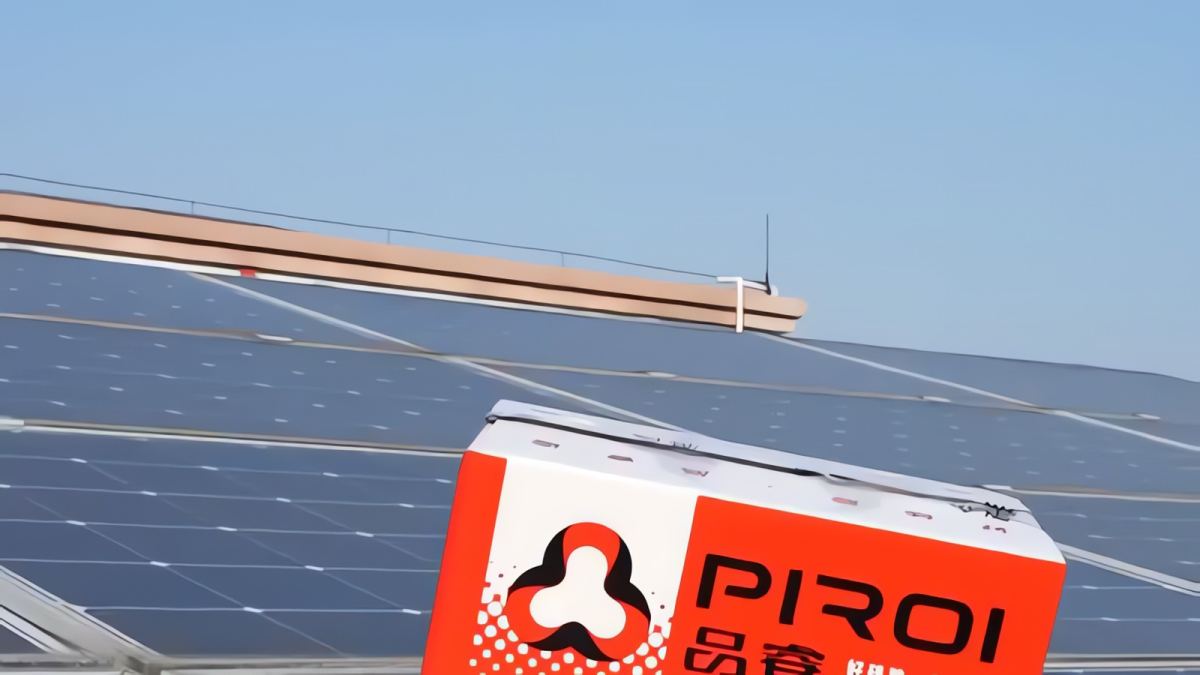
Our solar grade is formulated for long-term outdoor exposure with UV and hydrolysis resistant chemistry rated for 25-year photovoltaic module service life. The solar PV application page carries the per-position detail, and the neutral cure basis of the chemistry is covered on the neutral weatherproof silicone sealant page.
Where the sealant is actually used
A solar installation has several different joint types, and they do not all take the same grade:
| Position | Requirement | Why |
|---|---|---|
| Module frame sealing | UV and hydrolysis resistant, neutral cure | Direct sun and weather for the full service life |
| Mounting system joints | Neutral cure, movement capable | Anodised aluminium contact, thermal movement between components |
| Roof penetration sealing | Weatherproof grade, UV resistant | Water ingress is the failure that damages the building, not the array |
| Junction and cable entries | Neutral cure, low volatile | Must not affect the electrical components it contacts |
Ask for the grade per position rather than one product for the whole installation. A weatherseal used where movement capability is needed fails at the joint; a high-modulus product used on a flexible frame joint transfers stress into the module.
Anodised aluminium: why neutral cure is not optional
Acetoxy sealants release acetic acid during cure. On anodised aluminium the acid attacks the anodic layer, and on a module it can also affect the edge seal. Module frames and most mounting hardware are anodised, so the chemistry decision is made by the frame material before any other consideration.
Neutral cure systems release non-corrosive byproducts — alcohol or oxime — so they will not etch the frame finish. Adhesion should still be confirmed on the actual frame finish, because anodising processes differ between manufacturers. We run a free adhesion test on your own sample as part of sampling.
What to ask a supplier for
- Ageing data, not just a UV claim. Ask what test evidence is held and compare it against your project’s expected service life.
- The chemistry. Neutral cure, with the byproduct type stated.
- Thermal cycling behaviour across the daily range on your site, not a single peak figure.
- Adhesion confirmation on the actual frame finish you are using.
- Batch documentation — Certificate of Analysis per batch, and third-party test reports where the project requires them.
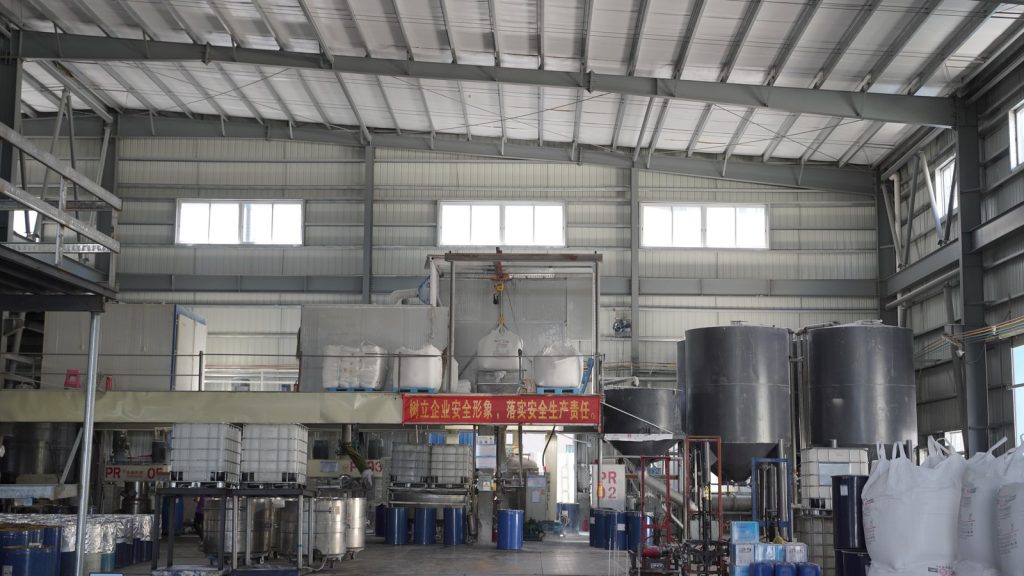
We can supply the test evidence we hold for your project file, and full batch traceability from raw material lot to sealed carton is maintained at our Zhongshan factory. How to interpret the report itself is covered in the buyer’s guide to lab reports, and the certification set at certifications.
Ordering solar sealant
We are a silicone sealant manufacturer selling direct to importers, distributors and private label brands. The solar grade sits in Series 3 alongside the industrial and new-energy products, in a range of 17 models across four series.
- MOQ — OEM and private label from 1,000 pcs per model; mixed-model trial orders from 3,000 pcs total; stock items from 500 pcs.
- Lead time — typically 15–25 days after artwork and sample approval.
- Samples — 2 to 4 free sample cartridges or sausages, plus a free substrate adhesion and staining test on your own frame sample.
- Documentation — Certificate of Analysis per batch, third-party test reports, FORM E and packing list with every shipment.
Tell us the frame material, the mounting system and the climate the array will operate in, and we will confirm the grade before you commit. A silicone sealant supplier who asks for the frame finish before quoting is doing the specification work that decides whether the array needs resealing in ten years. For the wider industrial and new-energy range, see the industrial series.