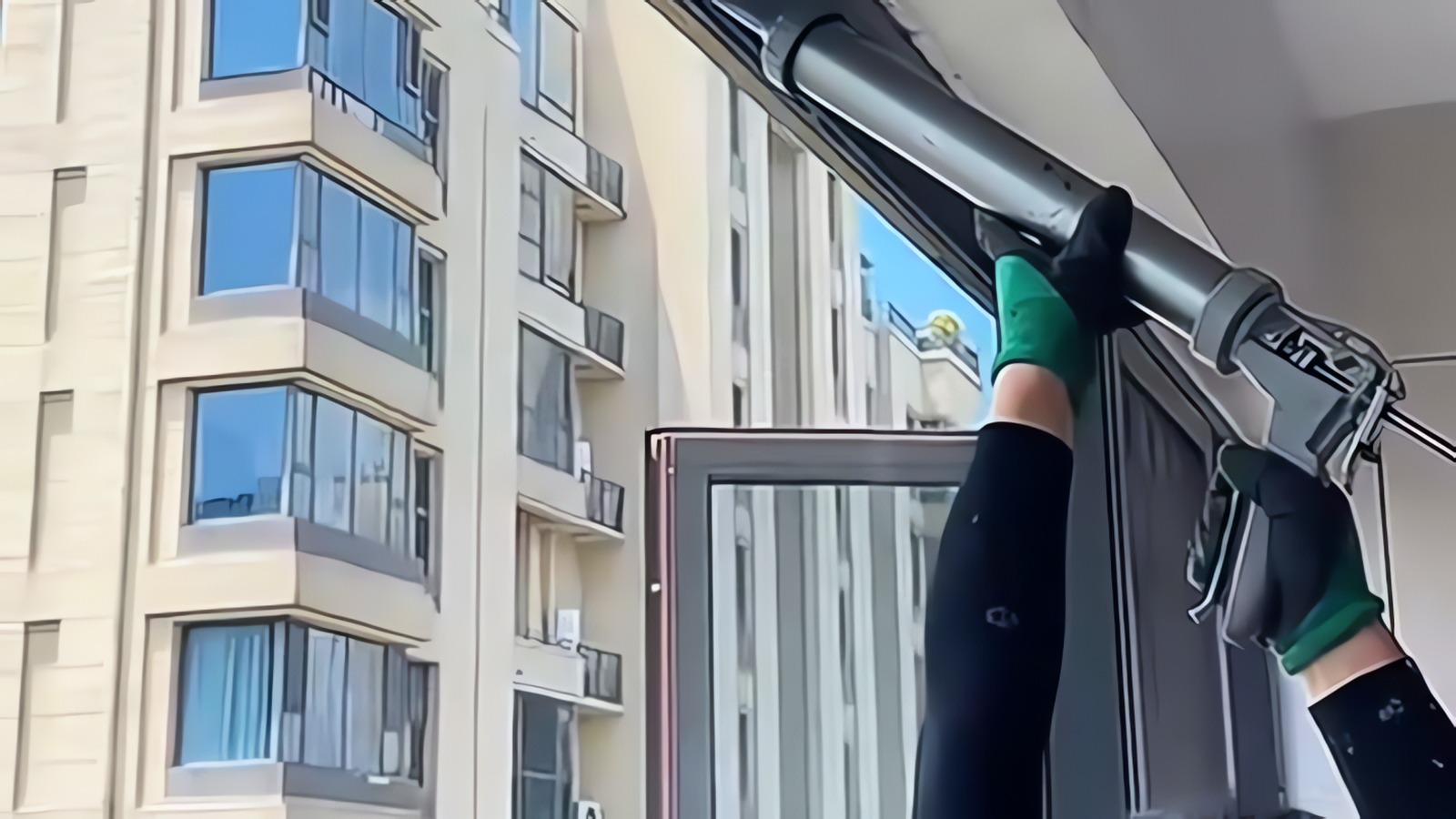
Choosing a curtain wall sealant starts with the position, not the product name. A curtain wall has two kinds of sealant joints, and each calls for a different silicone sealant grade. Pick the position first, then the movement, then the adhesion to the frame and glass. This guide walks through the decision in that order.
Step 1 – Identify the position
A curtain wall facade has two sealant positions and they are not interchangeable.
- Structural glazing – the load-bearing joint that bonds the glass to the frame. It is tested to a structural standard such as GB 16776 or ASTM C1184.
- Weatherseal – the joint that keeps water and air out but does not carry structural load. It is tested to a weatherseal standard such as GB/T 14683.
Choosing a weatherseal grade for a structural joint is the most common error on a curtain wall. See the curtain wall facade application page for the positions.
Step 2 – Match the movement
The sealant has to absorb the movement of the facade as it heats and cools and as the wind loads it. Confirm the joint movement from the drawing and pick a grade with the recovery to match. A lower modulus silicone sealant moves more easily and is the usual choice for a facade with a large joint.
Step 3 – Check the adhesion to the frame and glass
| Substrate | What to check |
|---|---|
| Glass | Bond to the glass without a primer on a clean surface |
| Aluminium frame | Bond to the coated frame and the finish |
| Stone or precast | Bond to a porous face and the movement |
The sealant is checked for adhesion to the actual substrate, not assumed from the product name. See the structural silicone sealant and the structural glazing application page.
Step 4 – Select the cure and the colour
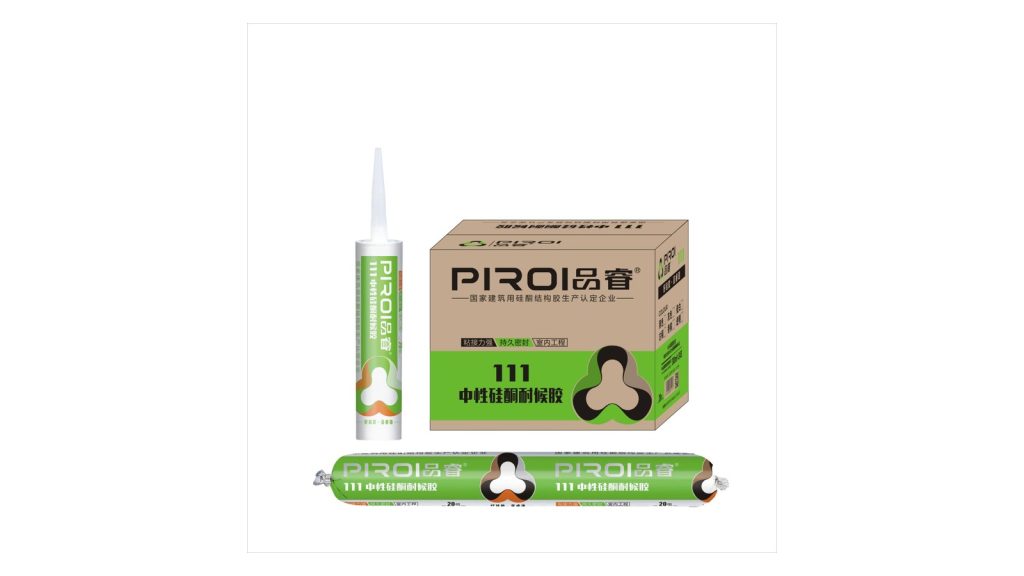
For most curtain wall facades the grade is a neutral cure silicone sealant, because it does not release acid and stays stable on the frame and the glass. The colour is chosen to match the facade or to stay translucent so the joint does not read as a stain.
Step 5 – Verify the supplier
- Ask for the test report behind the grade, matched to the structural or weatherseal standard.
- Ask for the batch record and a retained sample for the lot you order.
- Confirm the sample is available so the bond can be checked on the frame and glass.
- Confirm the MOQ, the lead time and whether OEM or private label is available.
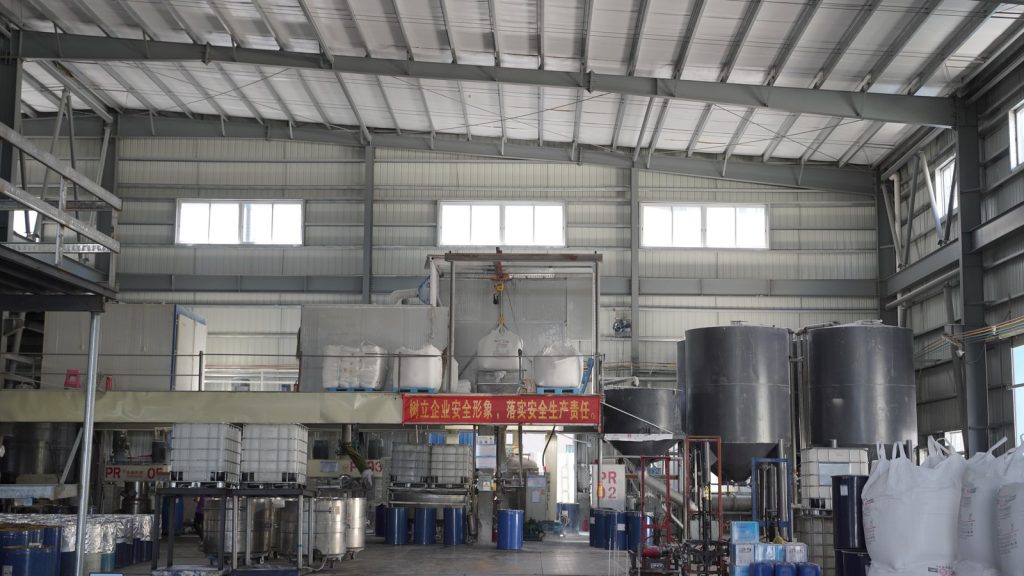
At our factory in Zhongshan we make neutral cure structural and weatherproof silicone sealant grades for curtain wall facades, and each batch is tested before release. Ask for the MOQ, the lead time and OEM or private label options for your project.
Test standards behind a curtain wall grade
Each curtain wall sealant is tested to a named standard before it is used. A structural grade is tested to GB 16776 or ASTM C1184, and a weatherseal grade is tested to GB/T 14683. The report quotes the bond strength, the movement and the recovery, so the grade can be compared across suppliers on the same basis. A buyer asks for the report behind the grade, not only the datasheet summary.
Common mistakes to avoid
The most common error on a curtain wall is using a weatherseal grade on a structural joint, which means the glass is not bonded to carry load. The second error is judging the grade by the colour or the label instead of by the test report. The third error is ignoring the movement of the facade, so the sealant splits as the joint opens. A fourth error is ordering without a sample, so the bond to the frame and glass is not checked before the full order.
A neutral cure silicone sealant for a curtain wall is chosen by the position, the movement and the adhesion, and the curtain wall facade application page shows the grades and the positions. The glass and glazing sealant supplier guide covers what to verify when sourcing from a supplier.