
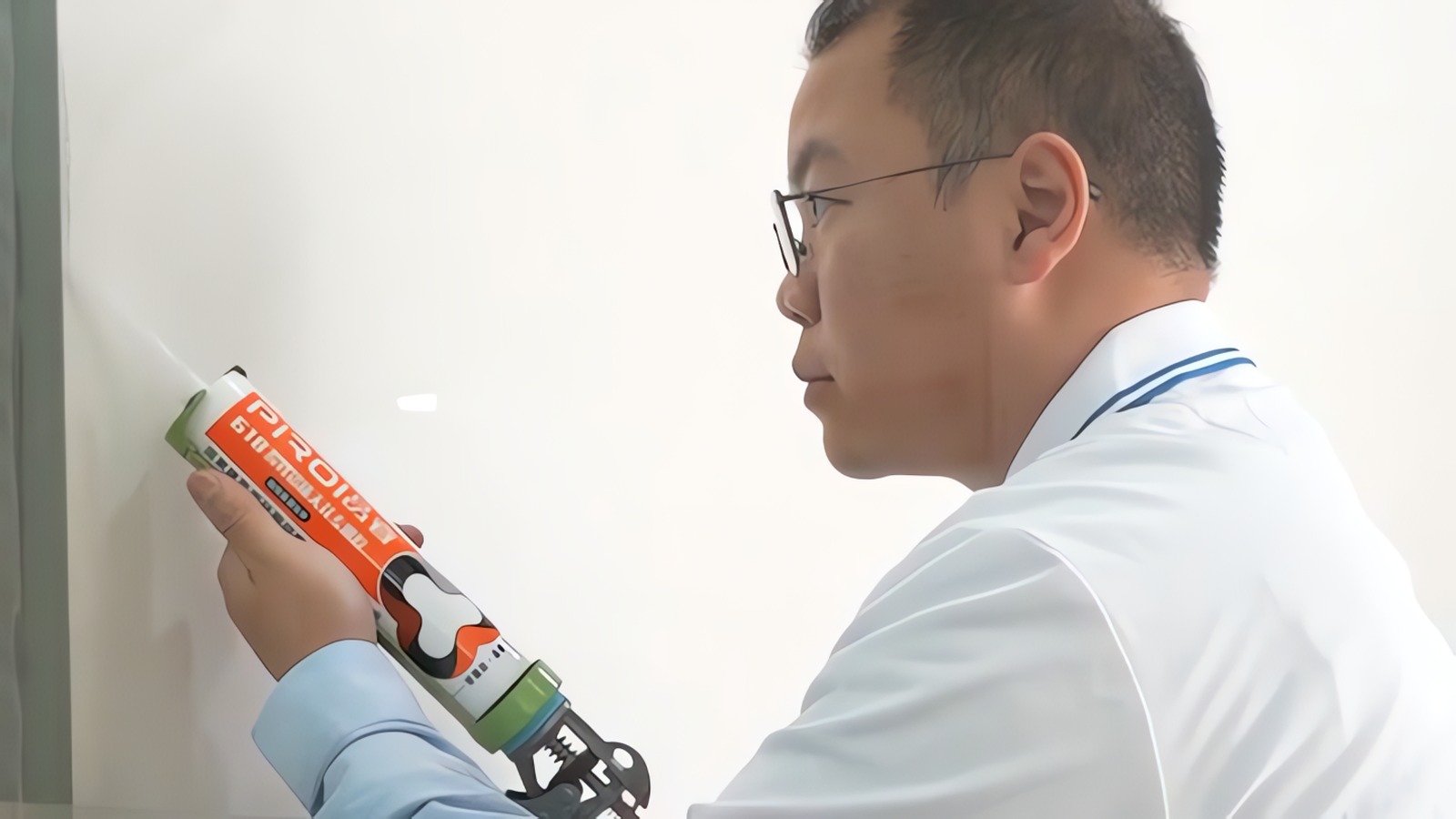
Silicone Sealant for Glass & Aquarium Bonding
Aquarium joints are structural: the sealant holds water pressure, not just water. It also has to be safe for the livestock inside, and cure fast enough for a production line.
What Makes Aquarium Bonding Different
An aquarium joint combines a structural requirement with a safety one.
- Structural, Not Decorative: The bead carries water pressure across the full panel. Bead width and thickness come from the tank size, not from the glass thickness alone.
- Livestock Safety: Anything that leaches into the water affects fish and plants. The joint has to be fully cured, and the product appropriate for the application.
- Glass Adhesion: Acetoxy sealant bonds strongly to glass and is the traditional choice for aquariums — but it must never be used where it can contact reactive substrates.
- Production Throughput: Tank builders assemble and handle tanks quickly. Cure speed sets how many units can be built and tested per shift.
How PIROI Solves It
A fast cure acetoxy sealant with high output and strong glass adhesion, the traditional chemistry for aquarium construction.
- Acetoxy Cure — Excellent on Glass: Bonds strongly to glass and ceramics, the traditional chemistry for aquarium construction.
- Very Fast Skin — 0.2 h: Tack-free in about 12 minutes, so tanks can be handled early in the build.
- Very High Output — 2,076 mL/min: Among the highest extrusion rates in our range, so large structural beads are applied without stalling.
- Low Modulus — 0.3 MPa: Flexible enough to follow glass movement without stressing the panel edges.
- Related technical guides: why standard silicone sealant destroys mirror backing and how to specify the right one, acrylic sealant vs silicone interior exterior, glass and glazing sealant how to choose — each covers the engineering behind the grade you are specifying.
Acid cure silicone is the traditional choice for glass aquariums because it bonds strongly to glass — but it must not be used on concrete, marble, mortar or reactive metal. Confirm the substrate before ordering, and allow full cure plus a rinse cycle before livestock goes in.
Glass & Aquarium — Critical Engineering Parameters
Fast Skin
Tack-free in 0.2 hours — about 12 minutes — so tanks can be handled early in the build.
Highest Output
2,076 mL/min extrusion rate: large structural beads without stalling the operator.
Low Modulus
0.3 MPa tensile modulus at 23°C, flexible enough to follow panel movement.
Adhesion on Glass
Adhesion at maintained extension: no failure. Bonds strongly to glass and ceramics.
Sealants for Glass & Aquarium
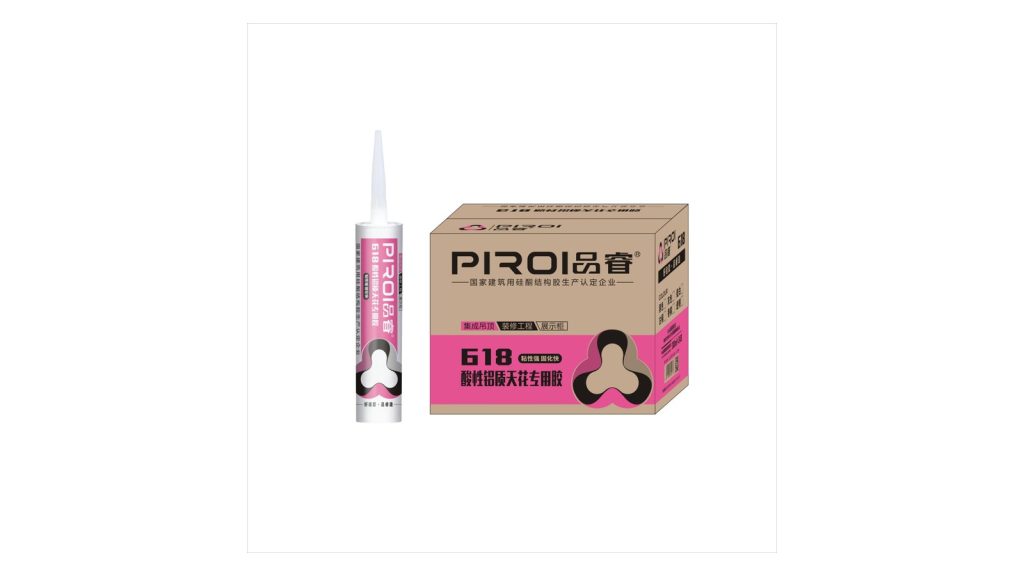 Acidic
Fast Cure Acetoxy Silicone Sealant
Fast curing acetoxy sealant for glass and glazing. Excellent adhesion to glass and ceramics, cost-effective for indoor glass and aquarium work.
View DetailsMOQ, Lead Time & Private Label
Installation Protocol for Glass & Aquarium
Confirm the Substrate
Acid cure is for glass, ceramic and glazing. Never use it on concrete, marble, mortar or reactive metal — it will attack them.
Clean the Glass Edges
Clean with a compatible solvent and lint-free cloths. Handle cleaned edges by the outside face only.
Assemble and Clamp
Apply the bead, assemble the panels and clamp to the designed joint thickness. Do not thin the bead by over-clamping.
Allow Full Cure Before Water
Cure time depends on bead thickness and temperature. A thick structural bead in cool weather can stay soft inside for days.
Rinse Before Livestock
After full cure, rinse the tank and run the filtration system before introducing fish or plants.
FAQs — Glass & Aquarium
Which sealant should I use for an aquarium?
Acetoxy cure silicone is the traditional choice because it bonds strongly to glass. PR-618 is tack-free in about 12 minutes with a 0.3 MPa modulus, which suits tank construction. Never use it on concrete, marble or reactive metal.
Is the sealant safe for fish?
Once fully cured, silicone is inert. The two critical points are full cure before water is added, and a rinse cycle before livestock goes in. Never introduce fish while the bead is still curing.
How long before I can fill the tank?
Wait for full cure, not skin time. Skin time is about 12 minutes; full cure depends on bead thickness and temperature and is much longer. Tell us your bead size and site conditions and we will give a realistic figure.
Can it be used for a glass display case or table instead?
Yes — it bonds well to glass and ceramics and cures fast enough for production work. For applications with no water contact, the rinse step is not needed.
What is the MOQ and lead time?
Standard OEM and private label MOQ is 1,000 pcs per model, with mixed-model trial orders from 3,000 pcs total and stock items from 500 pcs. Typical lead time is 15–25 days after artwork and sample approval.
Need pricing or a sample for Glass & Aquarium?
Tell us your substrate, joint dimensions and target market. We will come back with pricing, sample arrangements and the technical data sheet.
- Free adhesion & staining test on your own substrate sample
- OEM & private label from 1,000 pcs
- Typical lead time 15–25 days