
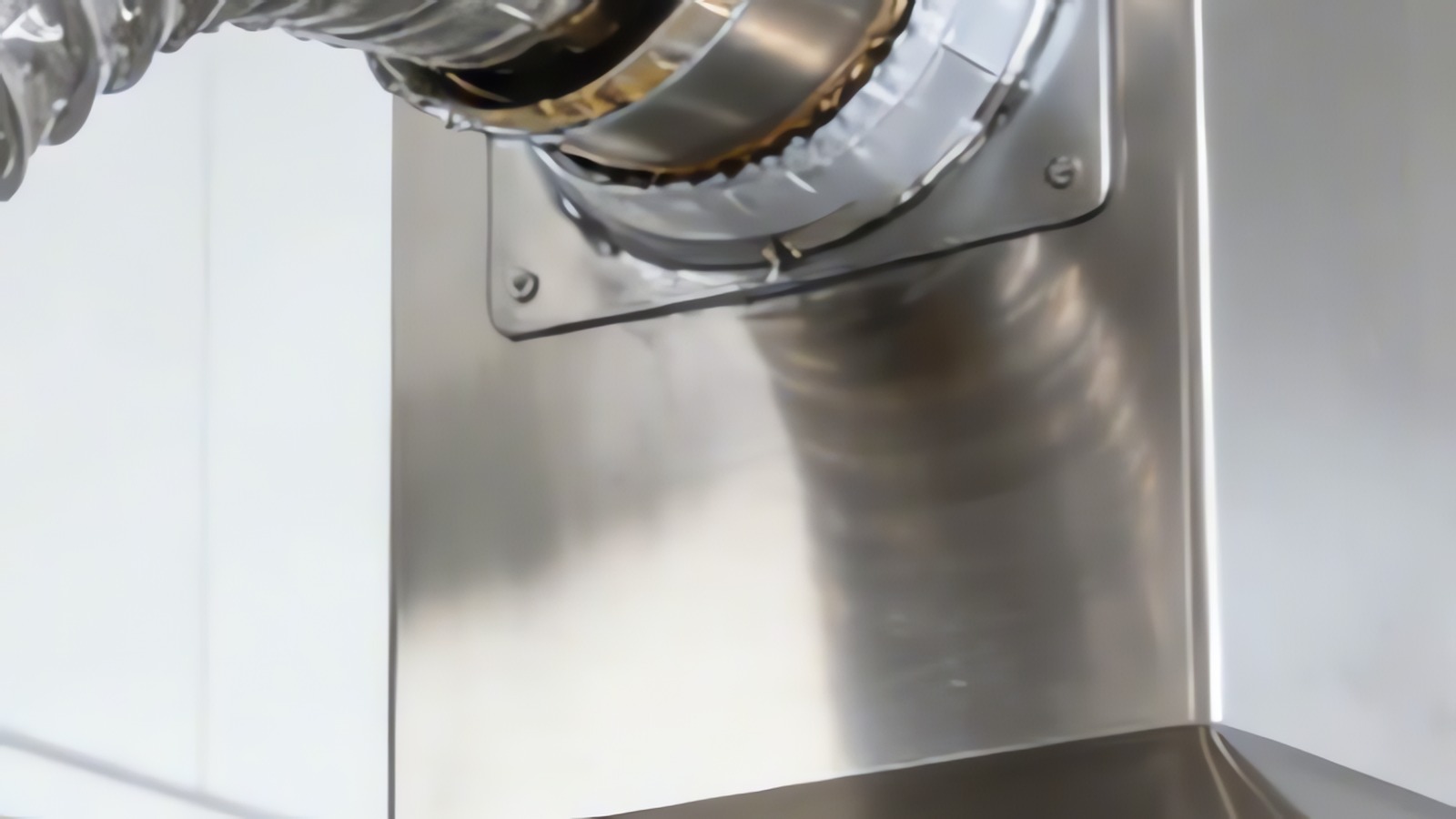
Fire-Rated Silicone Sealant for Fire Stopping
A fire-rated joint has to do two things that pull in opposite directions: hold a fire rating, and stay elastic enough to absorb the movement the building will see for the next thirty years. A rigid firestop cracks; a flexible one without a genuine rating fails inspection.
The Fire Stopping Trade-Off
Fire stopping fails for four reasons, and the first one has nothing to do with the sealant itself.
- Rating Must Match the Assembly: A sealant rating on its own does not make a joint compliant. The whole penetration or joint system has to be tested, and installed as tested.
- Fire Performance vs Movement: Intumescent and cementitious products resist fire but crack with movement. Silicone stays elastic but needs a genuine, quotable rating.
- Evidence for Inspection: Fire officers and insurers ask for a test classification, not a datasheet claim. The classification has to be quotable in a submittal.
- Mixed Penetration Types: Cable trays, pipe penetrations, expansion joints and curtain wall spandrels each behave differently and need different detailing.
How PIROI Solves It
A neutral cure fire-rated silicone with a classification you can quote, and the elasticity that rigid firestop systems do not have.
- Classification SR FV-0 (3.0 mm) 7.5P: A quotable classification to GB/T 24267-2009 for submittals and inspections.
- Zero Flame Time: Total flame time 0 s across 5 specimens against a 50 s maximum; afterflame 0 s against a 30 s maximum.
- 88% Elastic Recovery: Stays elastic after fire testing, so the joint still accommodates building movement.
- Low Mass Loss: 3% mass loss against a 25% maximum — the bead does not shrink away from the joint faces.
- Related technical guides: fire rated silicone sealant how to read the rating, fire rated silicone sealant supplier china, how to specify silicone sealant project specification — each covers the engineering behind the grade you are specifying.
A fire rating belongs to a tested system, not to a cartridge. Tell us the penetration type, the substrate and the required rating, and we will tell you whether our product fits that assembly — and what we cannot claim.
Fire Stopping — Critical Engineering Parameters
Fire Classification
SR FV-0 (3.0 mm) 7.5P to GB/T 24267-2009 — a classification you can quote in a submittal.
Zero Flame Time
0 s total flame time across 5 specimens against a 50 s maximum; 0 s afterflame against 30 s.
Elastic Recovery
88% recovery after fire exposure, so the joint still absorbs building movement.
Low Mass Loss
3% mass loss against a 25% maximum — the bead does not shrink away from the joint faces.
Sealants for Fire Stopping
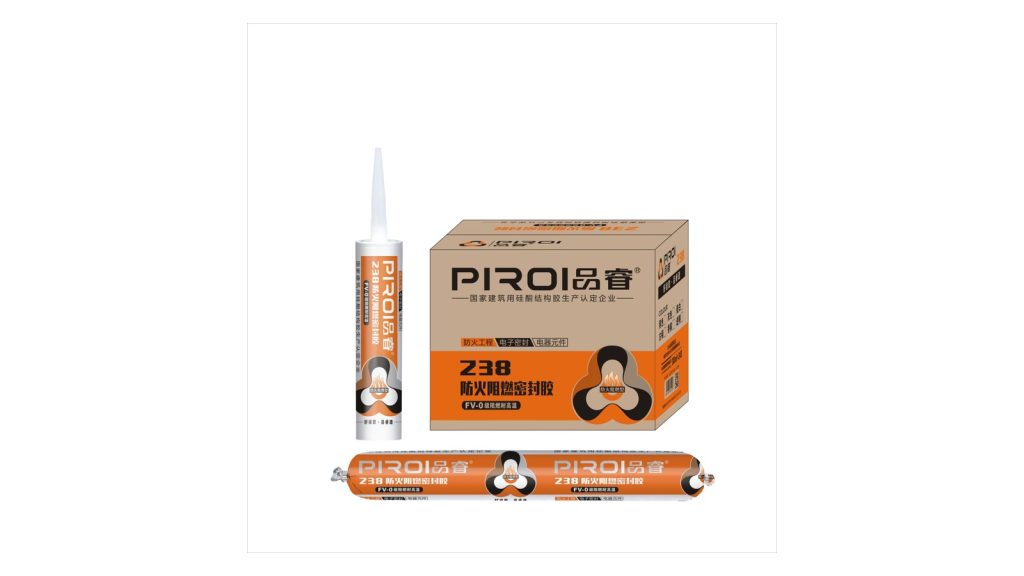 Fire Rated
Fire-Rated Silicone Sealant
High temperature fire-rated sealant. Interior and exterior use, for fire-rated joints, cable penetrations and fire door sealing applications.
View DetailsMOQ, Lead Time & Private Label
Installation Protocol for Fire Stopping
Confirm the Required Rating
Find out what the assembly must achieve — the rating, the duration and the test standard your inspector accepts. Ratings are not interchangeable between systems.
Check the Assembly, Not Just the Product
A rated sealant in an unrated joint detail is not compliant. Confirm the joint construction matches the tested system before ordering.
Prepare the Substrate
Fire-rated joints often involve concrete, blockwork and steel. Clean and, where required, prime each substrate separately.
Install the Specified Backing
Mineral wool or the approved backing material to the depth the tested system requires. Substituting a different backing invalidates the rating.
Apply to the Specified Depth
Fire-rated beads are specified by width and depth. A thicker or thinner bead than the tested assembly is not the tested assembly.
FAQs — Fire Stopping
What fire rating does your sealant have?
Our fire-rated sealant is classified SR FV-0 (3.0 mm) 7.5P to GB/T 24267-2009, with 0 s total flame time across five specimens. What your project needs depends on the assembly and on local regulations, so send us the requirement and we will confirm whether it fits.
Is a fire-rated sealant enough on its own?
No. A fire rating belongs to a tested assembly — substrate, joint dimensions, backing material and sealant together. Using a rated sealant in an untested detail is one of the most common compliance failures on site.
Does fire-rated sealant stay flexible?
Silicone does. Ours recovers 88% of its deformation after fire testing, so the joint still accommodates movement. Rigid firestop mortars do not, which is why they crack in moving joints.
Can it be used for both interior and exterior fire joints?
Yes — it is specified for interior and exterior fire-rated joints, cable penetrations and perimeter joints. Exposure conditions still need checking for each location.
What is the MOQ and lead time?
Standard OEM and private label MOQ is 1,000 pcs per model, with mixed-model trial orders from 3,000 pcs total and stock items from 500 pcs. Typical lead time is 15–25 days after artwork and sample approval.
Need pricing or a sample for Fire Stopping?
Tell us your substrate, joint dimensions and target market. We will come back with pricing, sample arrangements and the technical data sheet.
- Free adhesion & staining test on your own substrate sample
- OEM & private label from 1,000 pcs
- Typical lead time 15–25 days