
Silicone Sealant for Roof Sealing & Metal Roof Seams
A roof joint sees the widest temperature swing and the most UV of any joint on a building, and on a long metal roof run that movement accumulates over the whole sheet length. The sealant has to stay flexible through that cycle, bond to a coated metal surface, and hold its section on a sloped or vertical seam while it cures.
Why Roof Joints Fail First
Roof joints fail earlier than wall joints for four reasons, and most of them are decided before any sealant is ordered.
- The Largest Temperature Swing: A metal roof in summer sun reaches a surface temperature far above ambient and falls back close to it overnight. Over a long sheet run, that daily cycle produces more movement than any wall joint on the same building.
- Coated Metal Surfaces: Roof sheets are normally coated — polyester, PVDF or a metallic finish. A sealant that bonds to bare metal can still peel from a coated face, and the wrong chemistry can leave a permanent stain on the coating.
- Slump on Sloped and Vertical Joints: A sealant with poor sag resistance runs out of a ridge, verge or standing-seam joint while it cures, leaving a thin section that tears in the first cold cycle.
- UV, Rain and Standing Water: Roof joints are fully exposed. UV degrades a sealant that was never tested for it, and water sitting in a badly shaped joint finds any break in the bond line.
How PIROI Solves It
PIROI weatherproof grades are neutral cure, non-slumping and tested to the building sealant standard, so they can be used on sloped and overhead joints as well as vertical seams.
- Neutral Cure, No Acid: No acetic acid is released during cure, so coated steel, galvanised sheet, aluminium and the flashings around them are not exposed to acid.
- 0 mm Sag: 0 mm vertical and horizontal slump, so ridge, verge and standing-seam joints keep their section while the sealant cures.
- Weatherproof to GB/T 14683-2017: Tested to the Chinese building sealant standard for weatherproof glazing and frame joints, for joints exposed to rain, wind and UV.
- 92% Elastic Recovery: PR-333 recovers 92% of its deformation, which is what keeps a long roof run closed through repeated daily cycles.
- Related technical guides: best sealant for high uv exposure, weatherproof silicone sealant durability tests explained, silicone sealant joint failure modes repair — each covers the engineering behind the grade you are specifying.
Silicone sealant seals a roof joint; it does not replace a failed flashing or a hole in the sheet. Where water is entering through a fastener or a torn sheet, the repair has to be mechanical first. Tell us what the joint is — seam, ridge, verge, penetration or roof-mounted solar frame — and we will send the grade that suits it rather than a general-purpose sealant.
Roof Sealing & Metal Roof Seams — Critical Engineering Parameters
Non-Slumping
0 mm vertical and horizontal sag, for ridge, verge and standing-seam joints that have to hold their shape while curing.
Weatherproof to GB/T 14683-2017
Tested to the Chinese building sealant standard for joints exposed to rain, wind and UV.
Elastic Recovery
PR-333 recovers 92% of its deformation, keeping a long roof run closed through repeated daily cycles.
Neutral Cure
No acetic acid release — safe on coated steel, galvanised sheet, aluminium and the flashings around them.
Sealants for Roof Sealing & Metal Roof Seams
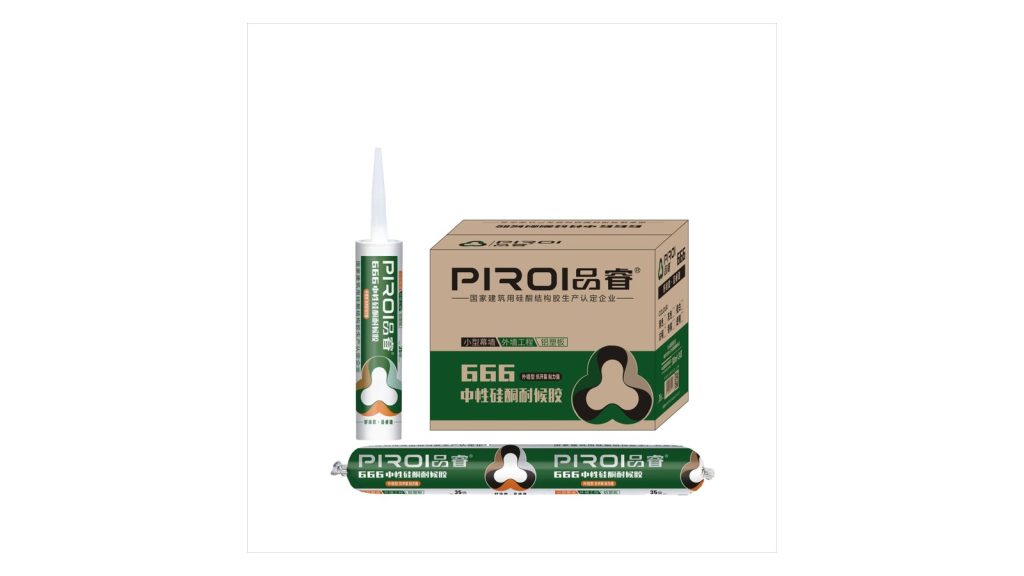 Weatherproof
Neutral Silicone Sealant — Weatherproof Grade
Neutral silicone sealant for interior and exterior joints — weatherproof, high strength, suitable for curtain wall and general sealing.
View Details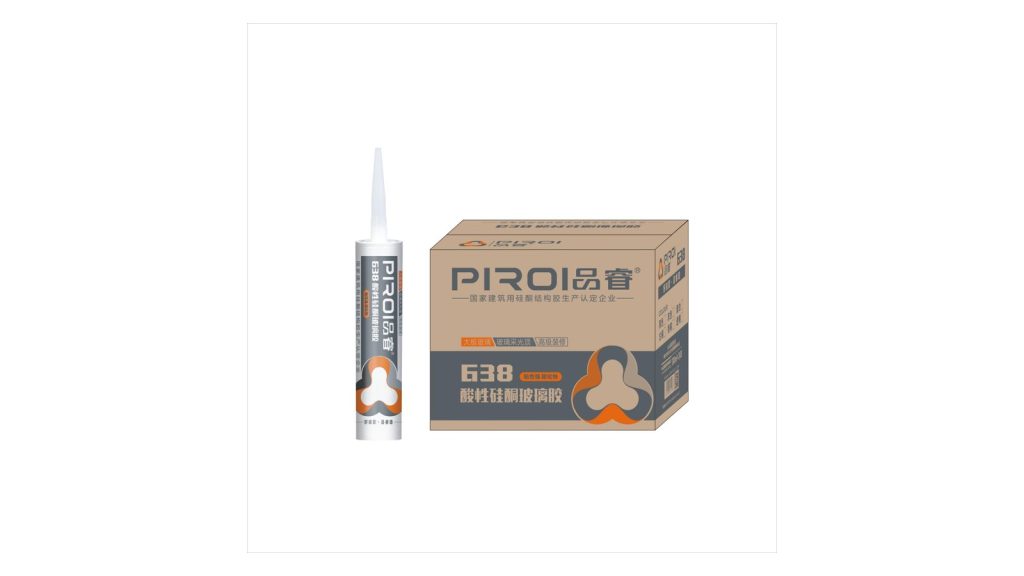 Premium
 Weatherproof Silicone Sealant
High-performance premium weatherproof sealant. Superior durability for demanding exterior applications, curtain wall perimeter and facade sealing.
View Details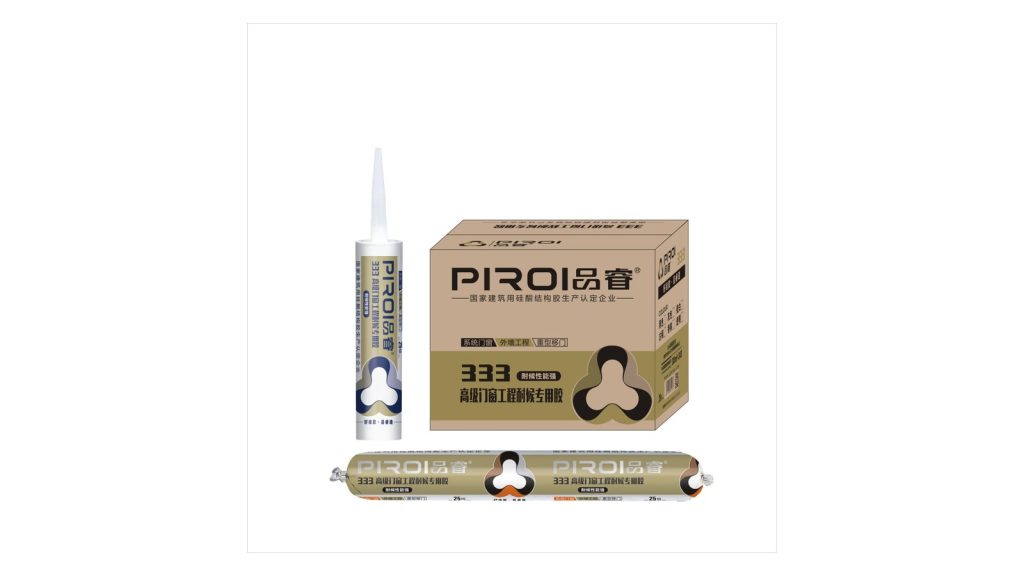 Weatherproof
 Window and Door Sealant
Weatherproof window and door sealant for frame fabrication — durable seal, excellent adhesion, long-term outdoor performance.
View DetailsMOQ, Lead Time & Private Label
Installation Protocol for Roof Sealing & Metal Roof Seams
Surface Preparation
Brush or wipe the seam free of dust, rust scale and old failed sealant. Metal roof profiles hold contamination, so clean the bond faces with isopropanol using the two-cloth method and let them dry.
Backer Rod and Joint Shape
Where the seam is wide enough, insert closed-cell backer rod at roughly 25% larger than the joint width so the sealant forms an hourglass section instead of bonding to the base of the joint.
Masking
Mask both sides of the seam to keep the bond line straight and to protect the coating from tooling marks.
Application
Apply with positive pressure along the seam and tool immediately with a compatible tooling agent. Work in lengths that can be tooled before the skin forms, especially in direct sun.
Inspection
Check for voids, three-sided adhesion and thin sections before the sealant skins over. On a critical roof joint, water test the seam afterwards.
FAQs — Roof Sealing & Metal Roof Seams
What silicone sealant is used for roof sealing?
A neutral-cure weatherproof grade. Neutral cure releases no acetic acid while curing, which matters on coated steel, galvanised sheet and aluminium. The joint also needs good sag resistance, because ridge, verge and standing-seam joints are sloped or vertical.
Can silicone sealant be used on a metal roof?
Yes. Our weatherproof grades are neutral cure and are used against coated steel, galvanised sheet and aluminium. Adhesion should still be confirmed on the actual coating used on your roof, and the surface has to be clean and dry — rust scale and old sealant cause bond failure regardless of which grade is used.
Will the sealant run out of a sloped joint?
No. PR-333 shows 0 mm vertical and horizontal sag, so it holds its section on ridge, verge and standing-seam joints while it cures. That is the property that separates a roof-grade sealant from a general-purpose one.
How long does silicone sealant last on a roof?
Silicone is chosen for roofs because it keeps its elasticity through UV and rain exposure, not because of a fixed number of years. Service life depends on joint design, movement and how well the bond faces were prepared, so we do not publish a service-life figure — the joint design is what determines it.
Do you supply roof sealant for OEM and private label?
Yes. OEM and private label start from 1,000 pcs per model, with mixed-model trial orders from 3,000 pcs total and stock items from 500 pcs. Packaging is 300 mL cartridges and 590 mL foil sausage packs, with custom cartridge artwork and colour matching supported.
Need pricing or a sample for Roof Sealing & Metal Roof Seams?
Tell us your substrate, joint dimensions and target market. We will come back with pricing, sample arrangements and the technical data sheet.
- Free adhesion & staining test on your own substrate sample
- OEM & private label from 1,000 pcs
- Typical lead time 15–25 days