

Silicone Sealant for Marine and Boat Building Applications
A marine joint is permanently wet, salt-loaded, UV-exposed and constantly flexing. That combination eliminates most construction sealants. Marine specification requires a formulation that holds adhesion through all four conditions simultaneously.
What Marine Service Does to a Joint
Marine environments combine every aggressive condition at once, and access for repair is usually difficult and expensive.
- Permanent Salt Water Contact: Salt water is chemically aggressive and, unlike fresh water, leaves crystalline deposits that can work into a compromised joint.
- Constant Hull Flexure: A hull flexes continuously in a seaway. The sealant must absorb that movement permanently without fatiguing or debonding.
- Direct UV Exposure: Deck joints are exposed to full UV with no shading, degrading sealants that are not UV-stable.
How PIROI Solves It
Silicone chemistry with inherent UV stability and salt water resistance, plus the elongation needed to follow continuous hull flexure.
- Salt Water Resistant: Holds adhesion under permanent salt water exposure without softening or debonding.
- UV Stable: No chalking, cracking or discoloration under direct deck exposure.
- Flexure Capable: High elongation follows continuous hull flexure without fatiguing the bond line.
- Related technical guides: is silicone sealant toxic when cured, silicone sealant joint failure modes repair, chinese vs astm sealant standards test report — each covers the engineering behind the grade you are specifying.
Marine service combines permanent salt water, direct UV and constant hull flexure, and repair access is usually difficult. Confirm the substrate before ordering: our acetoxy-cure product is suitable for glass and ceramic, but on aluminium fittings, stainless fasteners and painted metal it is the wrong chemistry — use a neutral cure product in those positions.
Marine & Boat Building — Critical Engineering Parameters
Salt Water Resistance
Retains adhesion under permanent salt water exposure without softening or debonding.
UV Stability
No chalking, cracking or discoloration under direct deck-level UV exposure.
Hull Flexure
High elongation follows continuous hull flexure in a seaway without fatiguing the bond.
Anti-Mold Option
Grade-0 anti-mold formulation for interior cabin and head areas where condensation occurs.
Sealants for Marine & Boat Building
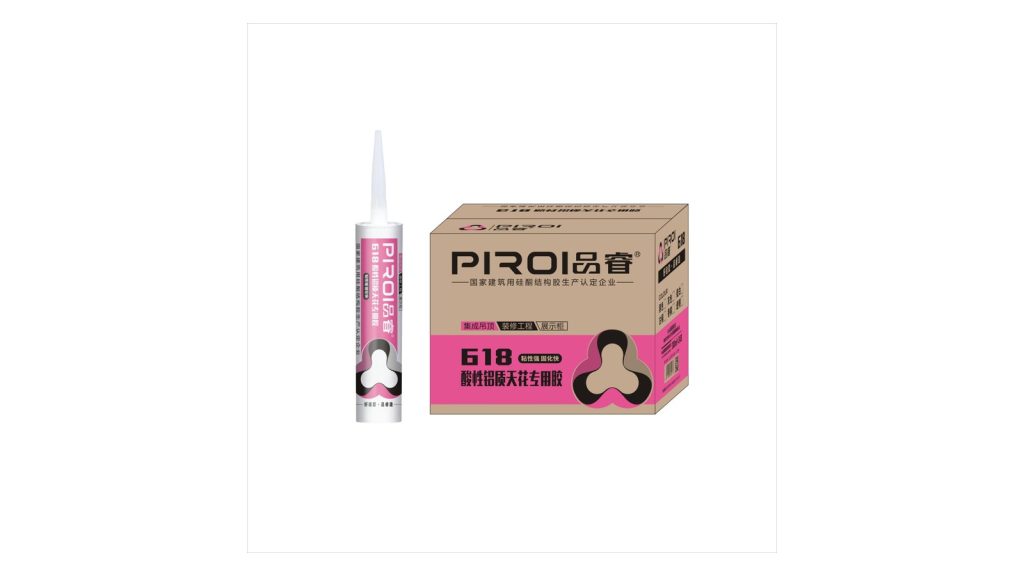 Acidic
Fast Cure Acetoxy Silicone Sealant
Fast curing acetoxy sealant for glass and glazing. Excellent adhesion to glass and ceramics, cost-effective for indoor glass and aquarium work.
View Details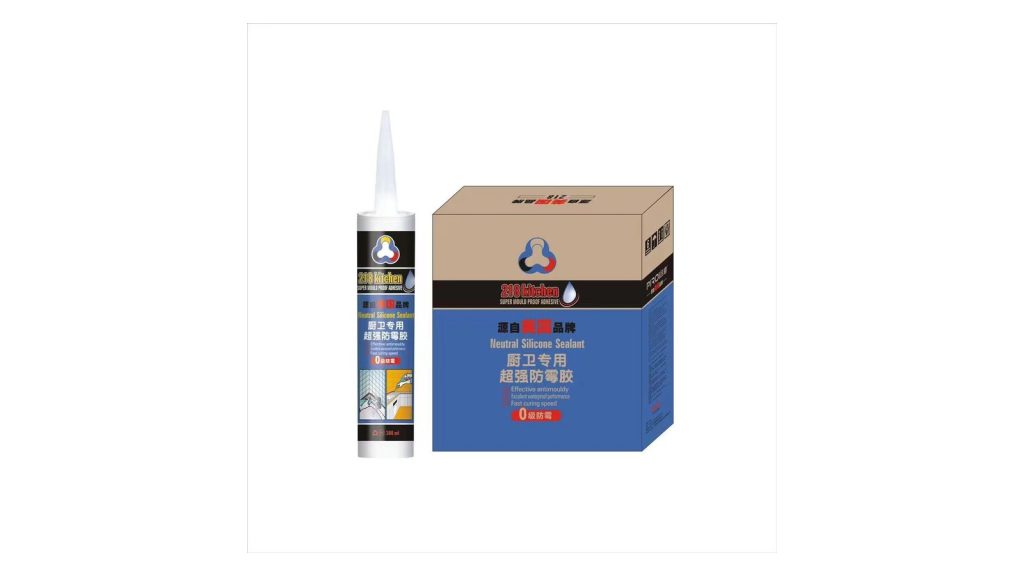 Anti-Mold
Sanitary Anti-Mold Silicone Sealant
Kitchen & bathroom neutral sealant with super mold-proof formula. Effective anti-mold, excellent waterproof, fast curing for healthy living spaces.
View DetailsMOQ, Lead Time & Private Label
Installation Protocol for Marine & Boat Building
Confirm the Substrate
Identify whether the surface is gelcoat, painted GRP, aluminium or timber. Each needs a different preparation approach.
Remove All Old Sealant
Old sealant, salt residue and mold must be fully removed. Marine joints are often re-sealed over failed previous work — do not repeat that.
Degrease and Dry
Clean with isopropanol and allow the substrate to dry fully. Silicone will not bond to a damp surface.
Apply Above and Below Waterline
Seal deck joints, window and hatch perimeters, and through-hull fittings. Confirm the product is suitable for the specific position.
Cure Before Launch
Allow full cure before the vessel is launched or exposed to water. Check with PIROI for the cure schedule at your ambient temperature.
FAQs — Marine & Boat Building
Is the sealant suitable for below the waterline?
It depends on the position and the substrate. Tell us whether the joint is above or below the waterline and what it is bonding to, and we will confirm which product applies. Not every silicone is rated for permanent immersion.
Can we use the fast cure acetoxy product on deck fittings?
Only on glass and ceramic. Acetoxy sealants release acetic acid, which attacks aluminium, reactive metals and some coatings. On deck hardware and metal fittings, use a neutral cure product.
Will salt water break down the joint?
Not if the sealant is formulated for it. Salt water is chemically aggressive and leaves crystalline deposits that work into a compromised bond line, so adhesion has to be correct from the start.
Is UV exposure a problem on deck?
Yes, and there is no shading at sea. Sealants that are not UV stable chalk, crack and discolour under direct deck exposure, so a UV-stable product is required for any exposed joint.
How do we handle old sealant before re-sealing?
Remove it completely. Sealing over an old bead means bonding to the old sealant rather than to the substrate, and that joint will fail at the interface rather than inside the sealant.
Need pricing or a sample for Marine & Boat Building?
Tell us your substrate, joint dimensions and target market. We will come back with pricing, sample arrangements and the technical data sheet.
- Free adhesion & staining test on your own substrate sample
- OEM & private label from 1,000 pcs
- Typical lead time 15–25 days