
Silicone Sealant for HVAC and Ductwork Systems
HVAC ductwork leaks cost energy on every operating hour, and the joints are also subject to continuous temperature cycling between supply and return air. The sealant must be airtight, thermally stable and compatible with the duct insulation and lining materials.
Why Duct Joints Leak
Duct leakage is often treated as a minor inefficiency, but it compounds across every joint in the system and shows up directly in the energy bill.
- Continuous Thermal Cycling: Supply and return air temperatures differ significantly. Every operating cycle stresses the joint, and a sealant with insufficient movement capability will crack.
- Insulation Compatibility: Duct insulation and internal lining materials may be affected by sealant chemistry. Incompatible products can degrade the insulation or the lining adhesive.
- Airborne Contamination: In food processing, pharmaceutical and cleanroom HVAC systems, the sealant may need low outgassing and low particulate emission — check the project specification.
How PIROI Solves It
Airtight silicone with the thermal stability for continuous cycling and the low volatile content needed in cleanroom-adjacent systems.
- Airtight Seal: Low-permeability formulation that holds a continuous airtight seal across the operating temperature range.
- Thermal Stability: Retains elasticity through continuous supply / return cycling without hardening or cracking.
- Low Outgassing: Low volatile formulation for systems where airborne contamination is controlled — confirm against the project specification.
- Related technical guides: fire rated silicone sealant how to read the rating, silicone sealant batch quality control, chinese vs astm sealant standards test report — each covers the engineering behind the grade you are specifying.
Duct leakage is often treated as a minor inefficiency, but it compounds across every joint in the system and shows up in the energy bill. Two things to confirm before specifying: compatibility with the duct lining or insulation material, and whether the project requires a low-outgassing product for a controlled environment.
HVAC & Ductwork — Critical Engineering Parameters
Airtight Seal
Low permeability across the full operating temperature range — reduces duct leakage and energy loss.
Thermal Cycling
Stays elastic through continuous supply / return temperature cycling without hardening or cracking.
Low Outgassing
Low volatile content for cleanroom and food-processing HVAC — confirm against project spec.
Insulation Compatibility
Compatible with common duct insulation and internal lining materials. Verify against your specific lining product.
Sealants for HVAC & Ductwork
 Appliance
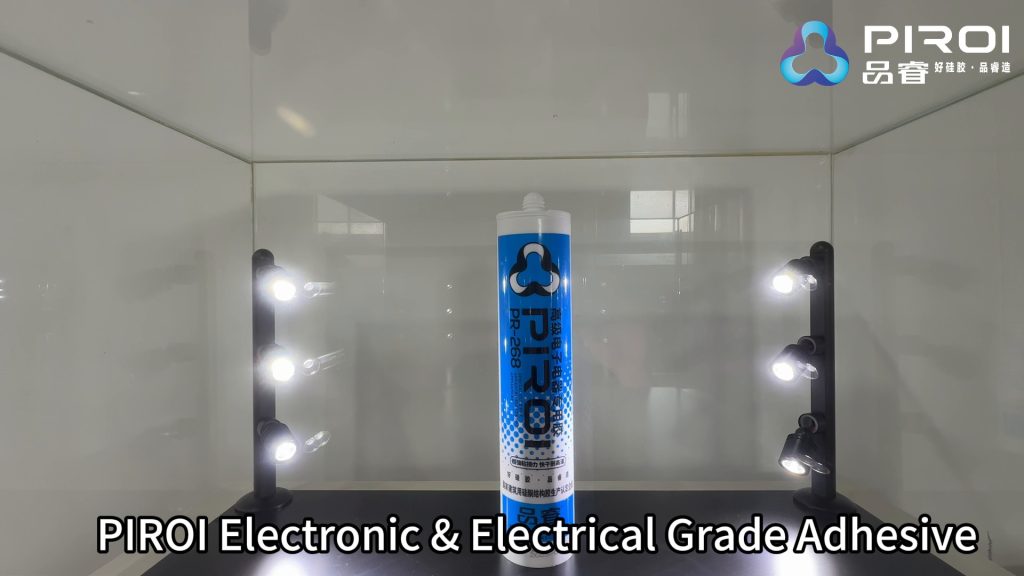
 Silicone Sealant
Specialty sealant for home appliance manufacturing. RoHS compliant, suitable for range hoods, ovens, induction cookers, disinfecting cabinets.
View Details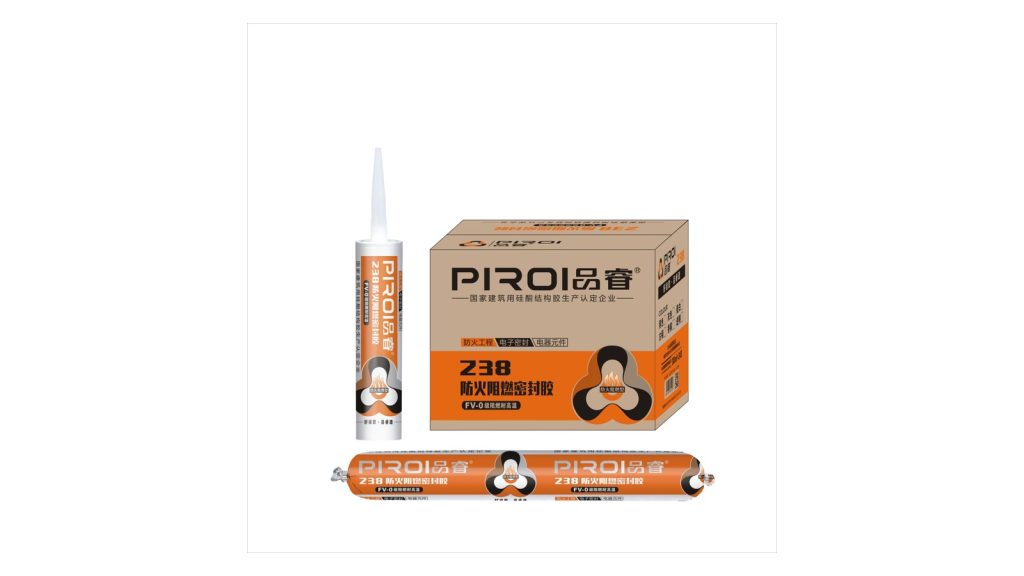 Fire Rated
Fire-Rated Silicone Sealant
High temperature fire-rated sealant. Interior and exterior use, for fire-rated joints, cable penetrations and fire door sealing applications.
View DetailsMOQ, Lead Time & Private Label
Installation Protocol for HVAC & Ductwork
Check the Project Specification
Cleanroom and food-processing HVAC systems may require low-outgassing or specific approvals. Confirm before ordering.
Verify Lining Compatibility
Check the sealant against the duct insulation and internal lining products used on the project.
Clean the Joint Faces
Galvanized duct surfaces carry forming oils and zinc residue. Degrease before sealing.
Seal Transverse Joints
Apply sealant to all transverse duct joints and seams. Longitudinal seams also need sealing on high-pressure systems.
Pressure Test
Run the system pressure test after cure. Leak-testing before cure will disturb the freshly applied bead.
FAQs — HVAC & Ductwork
Does duct leakage really matter that much?
It compounds. A small leak at every joint across a whole system adds up to a measurable energy loss on every operating hour, and it also affects the system's ability to deliver the design air volume.
Will the sealant affect duct insulation or internal lining?
It can. Some lining materials are affected by sealant chemistry, so compatibility has to be confirmed against the specific lining used on the project rather than assumed.
Do we need a low-outgassing sealant?
It depends on the system. Food processing, pharmaceutical and cleanroom HVAC systems often specify low-outgassing and low-particulate products. Tell us the project specification and we will confirm whether our product meets it.
Will the joint survive supply and return cycling?
It has to. Supply and return air temperatures differ significantly, so the joint is stressed on every operating cycle. A sealant that hardens under that regime will crack.
How is the joint checked after sealing?
By pressure testing the ductwork. Seal the transverse joints first, allow the sealant to cure, then pressure test; testing before cure can disturb the bead.
Need pricing or a sample for HVAC & Ductwork?
Tell us your substrate, joint dimensions and target market. We will come back with pricing, sample arrangements and the technical data sheet.
- Free adhesion & staining test on your own substrate sample
- OEM & private label from 1,000 pcs
- Typical lead time 15–25 days