
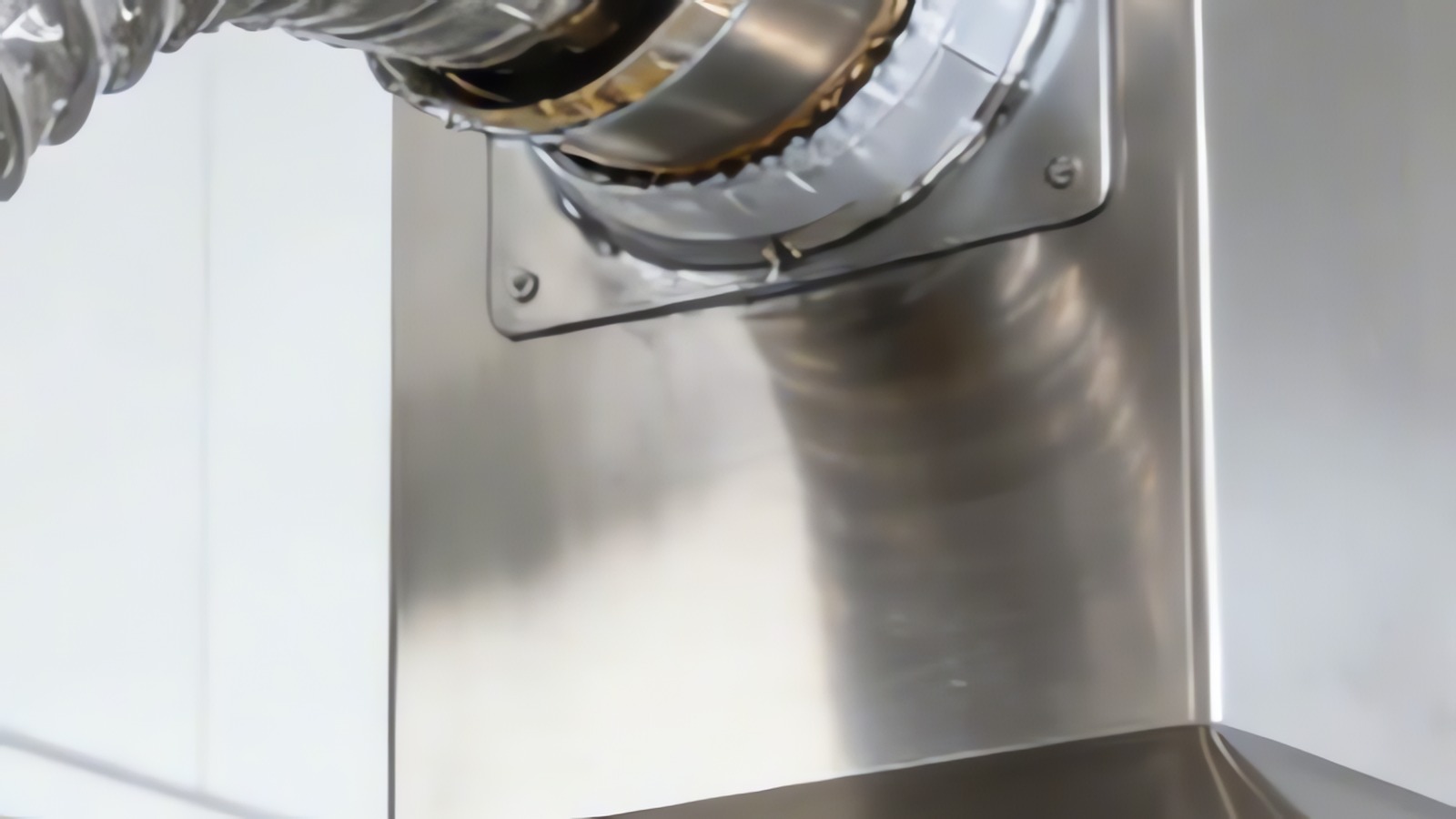
Silicone Sealant for Rail, Metro and Tunnel Construction
Rail and metro projects combine fire and smoke sealing requirements with permanent exterior weatherproofing on stations and elevated sections. Both are specified and inspected to a standard that leaves no room for a general-purpose product.
Fire, Smoke and Permanence
A metro station joint has to perform as a fire barrier, a smoke barrier and a weather seal — and it has to do so for the design life of the station, with minimal maintenance access.
- Fire and Smoke Sealing: Station and tunnel joints are fire-rated assemblies. The sealant must be part of a tested system, with the documentation to satisfy the project inspector.
- Limited Maintenance Access: Many joints are in areas that are difficult to reach after construction. A joint that needs re-sealing in five years is a serious problem.
- Vibration and Ground Movement: Rail structures see continuous vibration plus long-term settlement movement — the joint must accommodate both without cracking.
How PIROI Solves It
Fire-rated systems for smoke and fire sealing, and long-life exterior formulations with the movement capability for rail structure vibration and settlement.
- Fire-Rated Systems: Intumescent formulations specified as part of a tested firestop assembly, with documentation for project inspection.
- Long Service Life: UV and weather resistant exterior formulations for elevated and at-grade sections, matched to the station design life.
- Vibration and Settlement: Class 50 movement capability absorbs rail vibration and long-term structural settlement.
- Related technical guides: silicone sealant batch quality control, silicone sealant rfq to sample approval, chinese vs astm sealant standards test report — each covers the engineering behind the grade you are specifying.
Station and tunnel joints are fire-rated assemblies, so the sealant has to be part of a tested system with the documentation to prove it. Many of these joints are also difficult to reach again after construction, which means the joint has to last the design life with minimal maintenance. Specify for permanence, not for first cost.
Rail & Metro — Critical Engineering Parameters
Fire and Smoke Sealing
Intumescent formulations for tested firestop assemblies, with documentation for project inspection.
Long Service Life
UV and weather resistant for elevated and at-grade sections, matched to station design life.
Vibration and Settlement
Class 50 movement absorbs rail vibration plus long-term structural settlement.
Low Maintenance
Formulated for joints with limited post-construction access.
Sealants for Rail & Metro
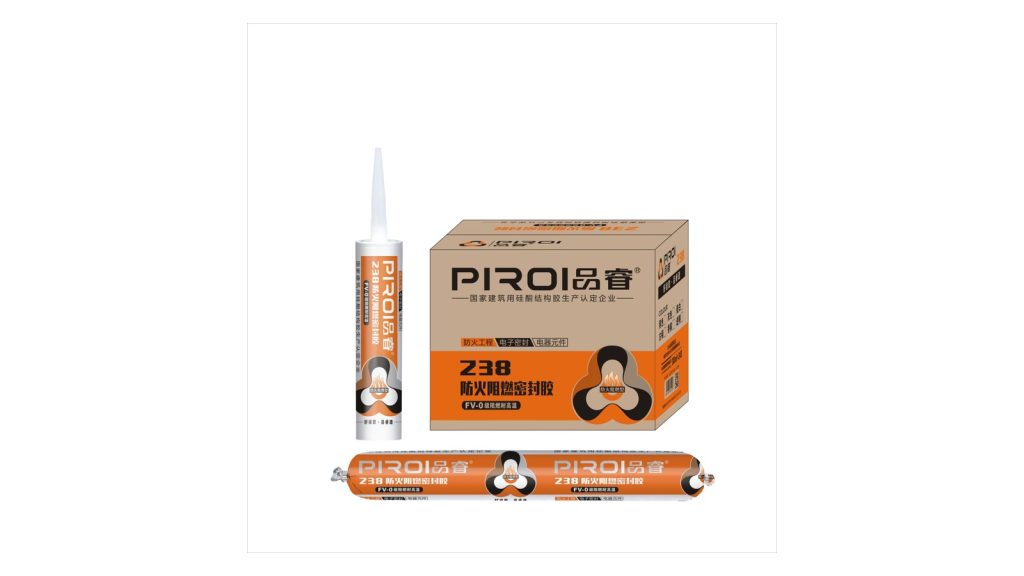 Fire Rated
Fire-Rated Silicone Sealant
High temperature fire-rated sealant. Interior and exterior use, for fire-rated joints, cable penetrations and fire door sealing applications.
View Details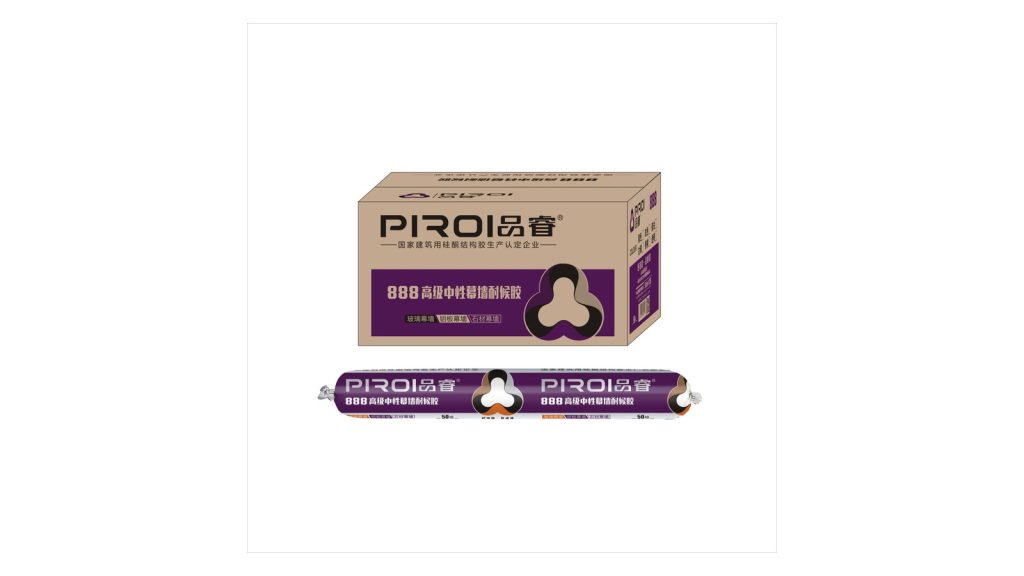 Structural
Neutral Structural Silicone Sealant for Curtain Wall
One-component neutral cure structural sealant for glass, aluminum panel and terracotta curtain walls. Excellent mechanical properties and weather resistance.
View DetailsMOQ, Lead Time & Private Label
Installation Protocol for Rail & Metro
Identify the Rated Assembly
Determine the required fire rating for each joint and confirm the tested assembly with the firestop system manufacturer.
Prepare Substrate
Concrete and steel surfaces must be clean, dry and free of laitance or mill scale.
Size for Combined Movement
Allow for thermal movement plus vibration and long-term settlement. Do not size on thermal alone.
Install Backer Rod and Sealant
Correctly sized backer rod, then apply sealant with positive pressure and tool immediately.
Document for Inspection
Record product batch, application date and assembly reference. Rail projects usually require this documentation at handover.
FAQs — Rail & Metro
What documentation do fire-rated joints need?
The sealant has to be specified as part of a tested firestop assembly, with the substrate, depth and backing rod recorded. Project inspection normally asks for that documentation, and we supply it for our fire-rated products.
Why does maintenance access matter so much?
Many metro and tunnel joints cannot be reached again after construction without closing the station or the line. A joint that needs re-sealing in five years is a far bigger cost than one that lasts the design life.
How do you handle rail vibration and settlement?
Class 50 movement capability absorbs both the continuous vibration and the long-term structural settlement. The joint has to be sized for the combined movement, not just one of them.
Is the exterior sealant UV stable?
Yes. Elevated and at-grade sections need a UV-stable product, because the joint is exposed for the life of the station. Sealants that are not UV stable chalk and crack on exposed sections.
Can you supply test data for the project submittal?
Yes. Test reports, product data sheets and firestop system documentation are available for the project file on request.
Need pricing or a sample for Rail & Metro?
Tell us your substrate, joint dimensions and target market. We will come back with pricing, sample arrangements and the technical data sheet.
- Free adhesion & staining test on your own substrate sample
- OEM & private label from 1,000 pcs
- Typical lead time 15–25 days