
Silicone Sealant for Elevator and Escalator Installations
Elevator installations combine visual joints on cabin and lobby cladding with fire-rated penetrations at the shaft. The two positions have completely different requirements, and both are inspected.
Two Requirements, One Shaft
The visible joints on an elevator are an aesthetic problem; the shaft penetrations are a life-safety problem. They need different products.
- Fire-Rated Shaft Penetrations: Cable and duct penetrations through the shaft wall must maintain the wall's fire rating. This requires a tested firestop system, not a general-purpose sealant.
- Visual Joints on Cladding: Cabin panels and lobby cladding produce visible joints where color match, non-staining and a clean tool line matter as much as performance.
- Continuous Vibration: Elevator and escalator installations see constant low-amplitude vibration, which works a poorly bonded joint loose over time.
How PIROI Solves It
Fire-rated products for shaft penetrations and clean-finish products for visible cladding joints, both with the adhesion durability to resist continuous vibration.
- Fire-Rated Options: Intumescent formulations for shaft penetrations, to be specified as part of a tested firestop system.
- Clean Visible Finish: Non-staining formulations that tool cleanly on cabin and lobby cladding, with color options.
- Vibration Durable: Adhesion verified under continuous low-amplitude vibration typical of elevator and escalator service.
- Related technical guides: silicone sealant batch quality control, silicone sealant rfq to sample approval, chinese vs astm sealant standards test report — each covers the engineering behind the grade you are specifying.
Two positions in one shaft need two different products. Visible joints on cabin and lobby cladding are an aesthetic problem — colour match, non-staining and a clean tool line. Shaft penetrations are a life-safety problem and must use a fire-rated product specified as part of a tested firestop system, not a general-purpose sealant.
Elevator & Escalator — Critical Engineering Parameters
Fire-Rated Penetrations
Intumescent formulations for shaft penetrations, specified as part of a tested firestop system.
Clean Visible Joints
Non-staining, tools cleanly on cabin panels and lobby cladding with color options available.
Vibration Resistant
Holds adhesion under the continuous low-amplitude vibration of elevator and escalator service.
Metal Cladding Adhesion
Bonds to stainless steel, brushed aluminium and coated panel finishes without a primer.
Sealants for Elevator & Escalator
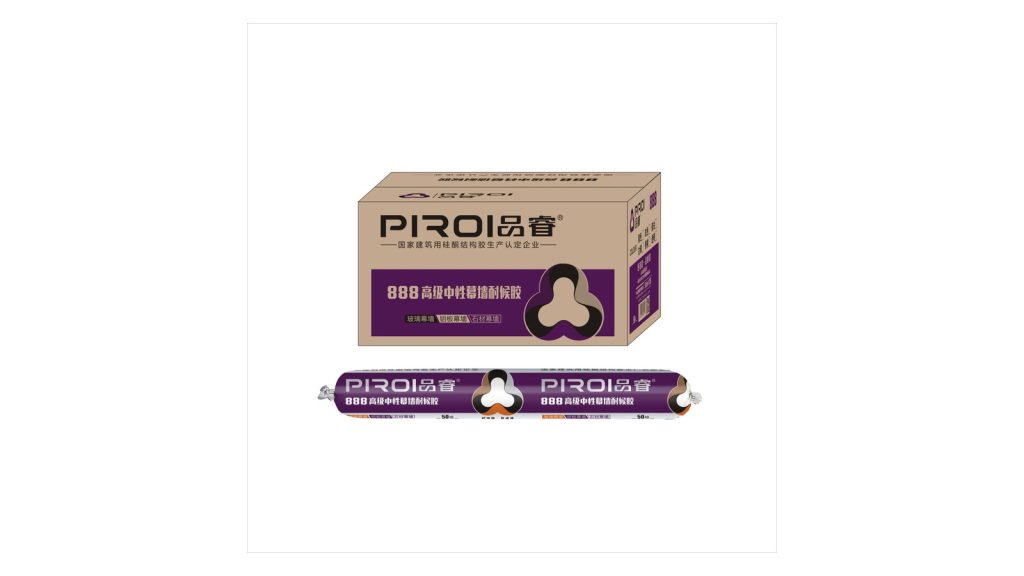 Structural
Neutral Structural Silicone Sealant for Curtain Wall
One-component neutral cure structural sealant for glass, aluminum panel and terracotta curtain walls. Excellent mechanical properties and weather resistance.
View Details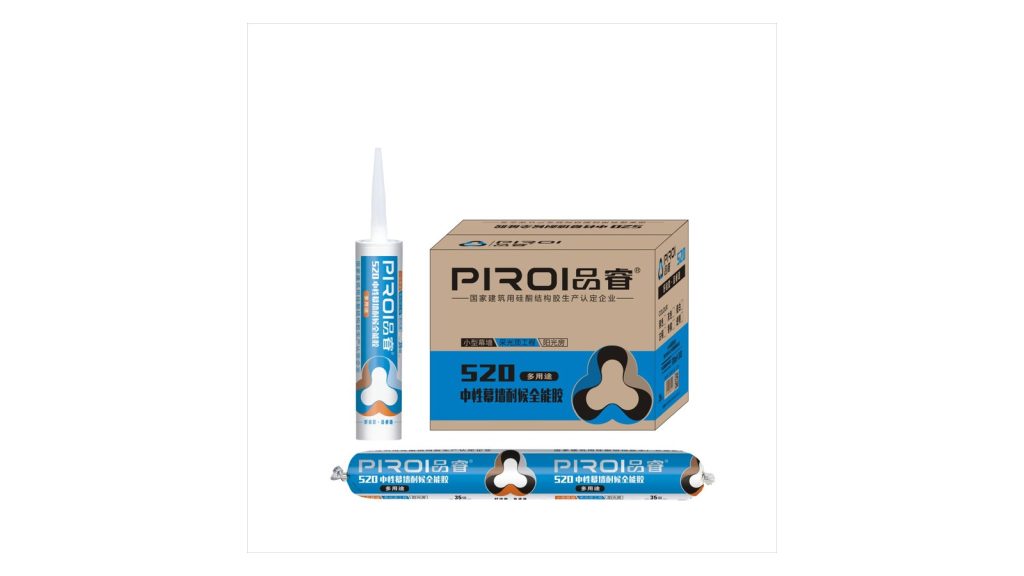 Curtain Wall
All-Round Neutral Curtain Wall Sealant
High-modulus all-round sealant for curtain wall and facade joints. The highest extrusion rate in our range — 543 mL/min for maximum on-site productivity.
View Details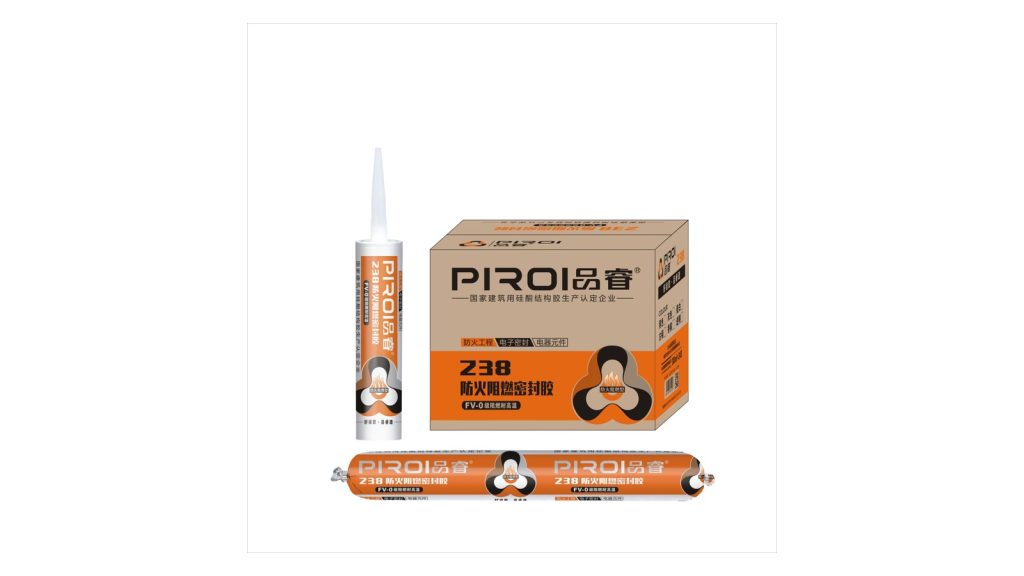 Fire Rated
Fire-Rated Silicone Sealant
High temperature fire-rated sealant. Interior and exterior use, for fire-rated joints, cable penetrations and fire door sealing applications.
View DetailsMOQ, Lead Time & Private Label
Installation Protocol for Elevator & Escalator
Classify Each Joint
Separate fire-rated penetrations from visible aesthetic joints before ordering. They need different products.
Verify the Firestop System
Fire-rated joints must be installed as part of a tested system. Confirm the assembly rating with the firestop system manufacturer.
Degrease Metal Cladding
Stainless and aluminium cladding arrives with protective film residue. Clean with isopropanol before sealing.
Seal and Tool Cleanly
Visible joints are inspected by the client. Tool in one continuous pass and protect adjacent surfaces from smearing.
Inspect After Commissioning
Check visible joints after the elevator has run for a period — vibration-related debonding shows up early.
FAQs — Elevator & Escalator
Can we use the same sealant on the cladding and the shaft penetrations?
No. The cladding joints need a clean, non-staining finish. The shaft penetrations need a fire-rated product that is part of a tested firestop assembly. They are different requirements and different products.
Does a fire-rated sealant work on its own?
No. A fire-rated sealant has to be specified as part of a tested firestop system, with the correct substrate, depth and backing. Applied outside the tested configuration, the rating does not apply.
Will vibration work the joints loose?
Elevator and escalator installations see constant low-amplitude vibration, which is hard on a poorly bonded joint. Adhesion under that regime is verified for our products, but surface preparation still determines the result.
Can you match the cladding colour?
Colour options are available for the visible joints. Send us the cladding reference and we will confirm what can be matched.
What documentation do you provide for inspection?
Test reports and product data for the fire-rated products are available for the project file. Tell us what the inspecting authority requires and we will supply it.
Need pricing or a sample for Elevator & Escalator?
Tell us your substrate, joint dimensions and target market. We will come back with pricing, sample arrangements and the technical data sheet.
- Free adhesion & staining test on your own substrate sample
- OEM & private label from 1,000 pcs
- Typical lead time 15–25 days