Natural stone and marble are the hardest substrates to seal well, and the cheapest grade to get wrong. A silicone sealant that works on glass or aluminium can stain a granite or marble joint permanently, because stone is porous and reactive. This guide covers why a neutral, non-staining silicone sealant is the safe choice for granite, marble and limestone joints, and the specifications to compare before you order.
Why acid cure sealant is the wrong choice for stone
Marble, limestone and some granites are calcium-based or porous materials. Acetoxy (acid cure) silicone sealant releases acetic acid as it cures, which etches the surface of calcium-based stone and leaves a dull, whitish trace. This is why professional stone work specifies a neutral cure silicone sealant rather than a general purpose one.
- Acid by-products. Acid cure silicone releases acetic acid while curing, which etches the polish on limestone and marble and dulls the face.
- Plasticiser and oil migration. A general purpose sealant carries oils that migrate into porous stone, leaving a yellow stain around the joint that cannot be removed.
- Joint movement. Stone expands and contracts with heat and moisture, so a sealant with poor elastic recovery eventually tears the joint open.
- Neutral cure. No acidic by-product means no etching, and no acid attack on coated or metal components in the same assembly.
What to check when you specify a stone silicone sealant
| Specification | Why it matters on stone | PIROI PR-602 |
|---|---|---|
| Cure type | Acid cure etches and dulls the stone surface | Neutral cure |
| Non-staining formula | Plasticiser migration causes permanent stains | Non-staining, will not bleed oil |
| Elastic recovery | Stone expands and contracts with heat and moisture | 92% (min. 80) |
| Tack-free time | Allows faster handling on site | 0.7 h |
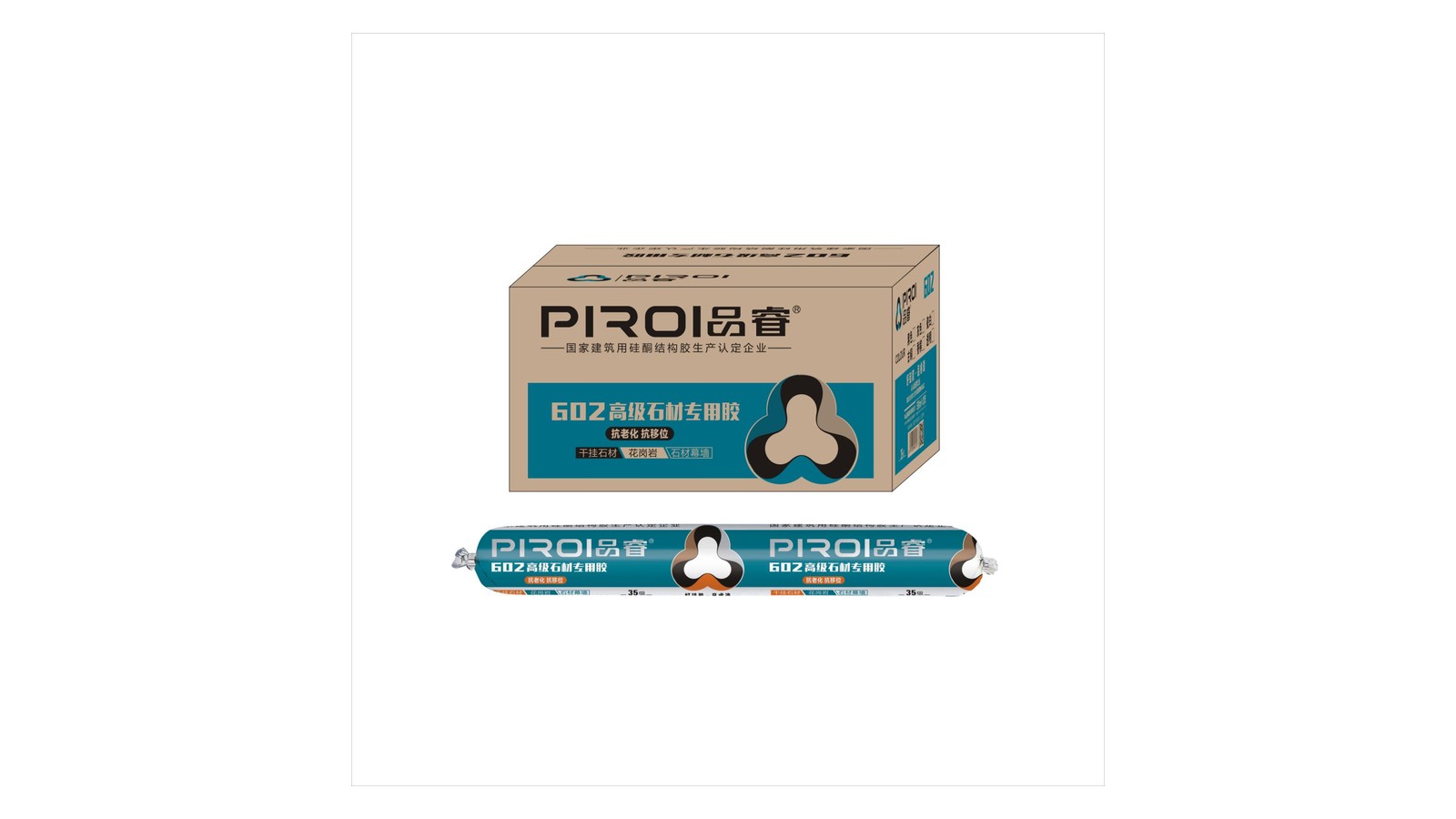
Porous stone absorbs liquid. When a sealant with migrating plasticisers sits in the joint, those components follow the pores instead of staying in the joint, and the stone keeps the stain permanently. A dedicated stone silicone sealant is formulated so the sealant stays where it was applied. Our PR-602 stone silicone sealant is built this way, and the natural stone and marble application page covers the joint detailing that goes with it.
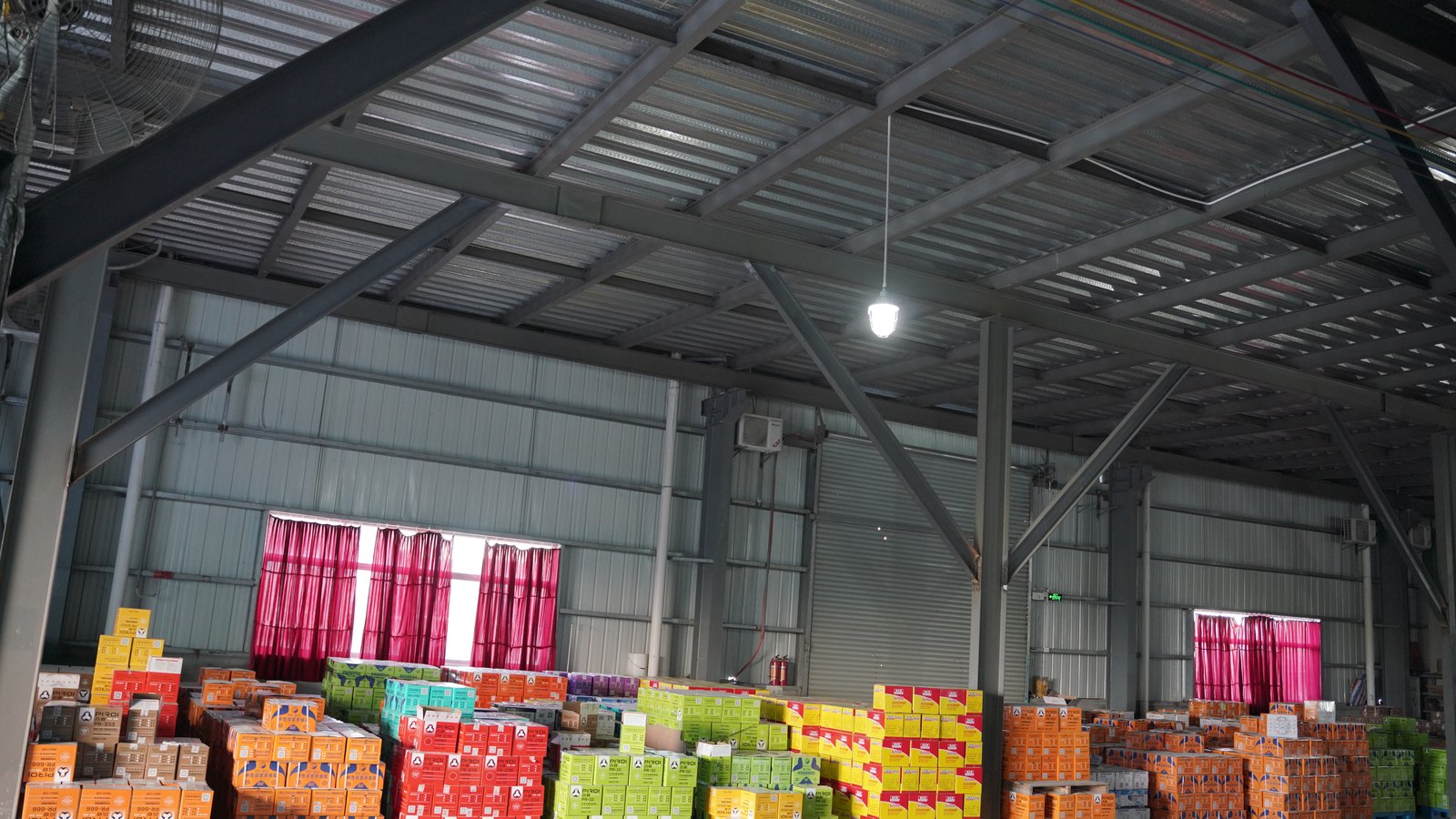
PIROI PR-602 stone silicone sealant — specifications
Test report 2022MC076, tested to GB/T 14683-2017. A neutral cure, non-staining silicone sealant formulated for natural stone, marble and granite cladding.
- Neutral cure chemistry — no acid attack on stone surfaces
- Non-staining formula — will not bleed oil into porous stone
- 92% elastic recovery for long-term joint movement
- Tack-free time of 0.7 hours
- Extrusion rate 230 mL/min (min. 80)
- Tensile modulus 0.7 MPa at 23°C (min. 0.4 / 0.6)
- No sag on vertical joints
- Excellent adhesion to stone, concrete and metal
- Shelf life 12 months; 300mL cartridge and 590mL sausage packaging
Typical applications
- Natural stone and marble facade sealing
- Granite and stone cladding joints
- Stone flooring and stair edge sealing
- Decorative stone and stonework joints
Application notes
- Apply between 4°C and 40°C
- Test on porous stone before full application
- For joint sealing — not for structural bonding
- Not for continuous water immersion
PIROI is a silicone sealant manufacturer in Zhongshan, China, producing neutral cure and acetoxy silicone sealant for facade, window and door, sanitary, industrial and fire-rated applications. We support OEM and private label packing, sample testing before bulk orders, and full-container export. Contact us for the PR-602 data sheet, MOQ and lead time, or see the certifications and test reports we hold.