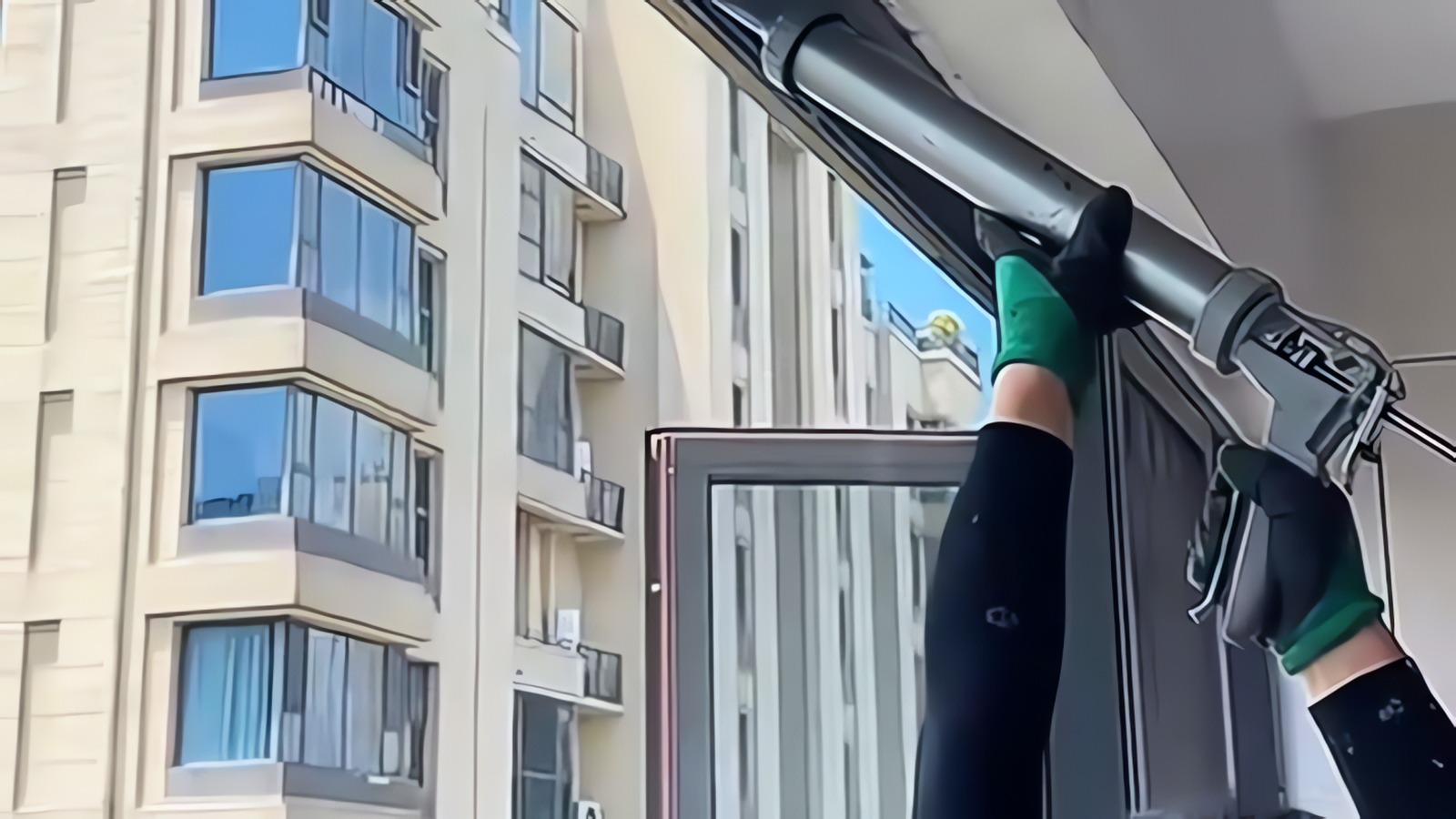
The silicone structural glazing market is driven by two changes: taller facades and lighter framing. As buildings reach higher and use thinner profiles, the glazing sealant takes on more of the structural duty. For a buyer, the practical question is not the market size but which sealant carries the load and which one only weatherseals, because the two positions call for different grades.
Structural sealant vs weatherseal in a facade
In a curtain wall or a structural glazing facade, a silicone sealant sits in two distinct positions and they are not interchangeable.
| Position | Duty | Grade |
|---|---|---|
| Structural glazing | Bears load, bonds glass to frame | Structural, tested to GB 16776 or ASTM C1184 |
| Weatherseal | Stops water and air | Weatherproof, tested to GB/T 14683 |
Specifying the wrong position is the most common error in a facade project stage. The structural grade has to be checked against the stress, not against the weather performance.
What the trend means for a buyer
The move to taller facades and prefabricated units changes what a buyer has to verify. A structural silicone sealant for a high facade needs a controlled modulus, a stated movement and a bond to the frame material that is tested, not assumed. Buyers sourcing in the silicone structural glazing market increasingly ask for the test report behind the value rather than a datasheet with no source.
The difference between a manufacturer and a trader
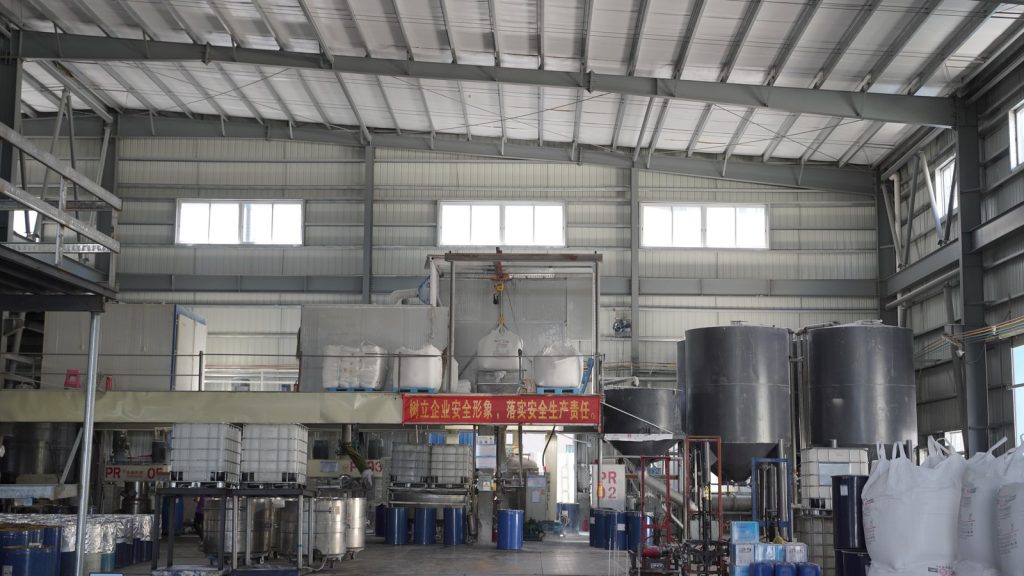
In the silicone structural glazing supply chain, the term supplier covers two very different companies. A manufacturer mixes and fills the sealant at its own plant and can show the formulation records and the batch test. A trader buys finished cartridges and re-labels them. For a structural position where the sealant has to be defended for the service life, the difference matters. Ask which line your order runs on, and ask for the batch record behind a specific lot.
Specifying for a structural glazing project
- Confirm whether the position is structural or weatherseal from the drawing.
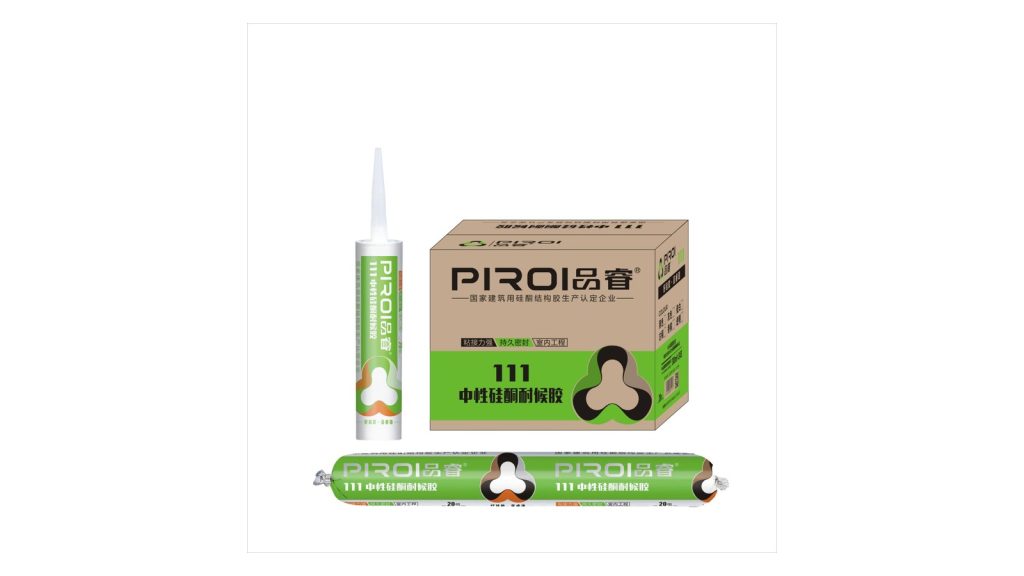
- Pick a neutral cure silicone sealant for the usual glazing and facade substrate.
- Check the test standard named on the report: GB 16776 or ASTM C1184 for structural, GB/T 14683 for weatherseal.
- Ask the manufacturer for the batch record and the retained sample for the lot you order.
- Confirm the MOQ, the lead time and whether OEM or private label is available for the project.
At our factory in Zhongshan we manufacture neutral structural and weatherproof silicone sealant grades and we test each batch before release. A sample is available so the bond and the movement can be checked on the actual frame and glass before the full order. See the structural grade and the structural glazing application page.