
Silicone Sealant Supplier vs Distributor: Which Channel Should You Buy From
A silicone sealant supplier sells directly from the factory. A distributor stocks, breaks bulk and sells single-carton quantities. Merchants buy in pallets and sub-sell. B2B buyers need to know the difference before they request quotes. This article explains the channel options, how prices differ and how to qualify either party.
Who sells directly, who stocks the product
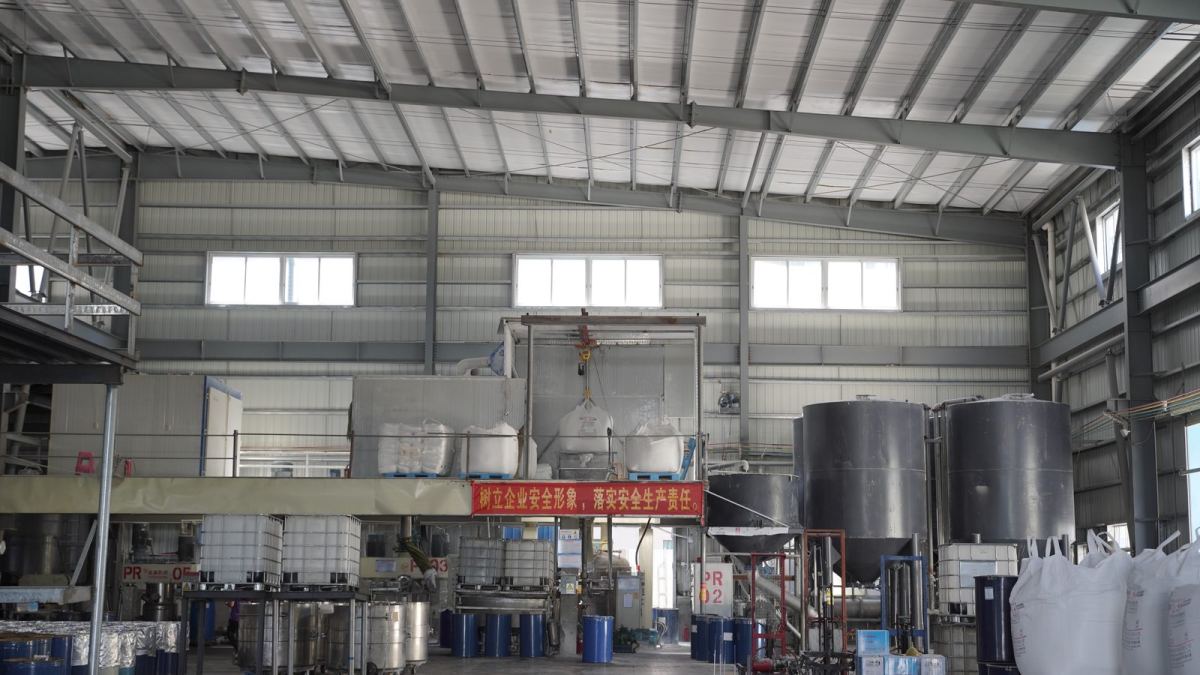
The silicone sealant market has two actors.
Supplier — the manufacturer
- Builds under the brand PIROI.
- Holds stock of all 17 models in the factory warehouse.
- Ships bulk pallets, 1000 kg drums or container loads.
- Provides testing reports and submittal packages.
- Answers technical questions with material certifications.
Distributor — the stockholder
- Buys from a factory and keeps inventory.
- Sells single boxes, cartons or small drums.
- Extends territory from port to warehouse.
- Parts for smaller procurement orders.
Both can represent the “lowest price”, but the supplier of a silicone sealant manufacturer provides the full technical file. The distributor of a silicone sealant provides immediate delivery.
How prices and MOQ differ
The table shows how the channel affects cost and order size.
| Item | Supplier (factory) | Distributor |
|---|---|---|
| Price | Baseline material cost | Material plus stock margin |
| MOQ | Pallets, drums, containers | Cartons, boxes |
| Lead time | Standard delivery | In-stock release |
| Samples | Standard sample programme | Patched |
| OEM / private label | Available | With approval |
| Technical support | Direct engineering | Office only |
| Inventory risk | Factory holds | Distributor holds |
Distributors handle overseas orders. A factory supplier roots with the manufacturer.
When a distributor adds value
A distributor is not always the cheaper option. It adds value in these cases.
- Small procurement orders below MOQ — even a single carton.
- Local warehousing for fast delivery.
- Split shipments from multiple product lines.
- Emergency coverage.
If the project needs a pallet or full container of sealant, the factory route keeps the chain clean.
How to qualify a supplier
Qualifying either channel means checking the document stack.
- Agreement: ISO, RoHS, REACH.
- Traceability: Batch numbers in the portfolio.
- Testing: TDS, submittal with reported values.
- Product range: At least 17 models.
- Sample programme: Does the supplier ship samples before order.
- OEM / private label: Brand support.
A supplier of silicone sealant that does not provide these documents has negligible value.
When to choose the distributor
You should choose a distributor if:
- Order size is small and warehouse is nearby.
- Delivery lead time is critical.
- You need multi-brand availability.
You should choose the supplier if:
- Order size is bulk.
- You need OEM manufacturing.
- Technical support is required.
PIROI wholesale programme
Factory direct:
- All 17 models in stock.
- Bulk order pricing.
- OEM / white label support.
- OEM catalogue inclusion.
- Submittal packages.
Contact wholesale team Get sample
FAQ
Who should buy commercial quality silicone sealant?
B2B buyers. Consumer channels are not included.
Is the factory price lower than the distributor?
Yes, because the middleman margin is removed.
Can I get samples from the supplier?
Yes — the sample programme ships with standard products.
Does the supplier support OEM branding?
Yes, white label/private label is available.