Long term stability of a silicone sealant is not a number on a datasheet. It is the result of the chemistry, the test data and the batch records behind a grade. A buyer asking for a sealant that will last twenty years is really asking for evidence that the joint will stay sealed, and that evidence has to come from ageing and recovery tests rather than from a warranty claim.
What stability is measured against
A silicone sealant loses performance in three ways over time, and a stable grade is one where the loss stays inside a small range.
- UV and weathering. Sunlight and ozone attack the polymer surface. The test is an artificial weathering exposure that measures how the modulus and the recovery change after the cycles.
- Hydrolysis and moisture. Water and humidity can break the polymer chain if the grade is not designed for wet positions. A silicone sealant for a bathroom or a swimming pool faces a different hydrolytic load than one for a roof.
- Temperature cycling. A joint in a facade or a precast panel expands and contracts across the seasons. The recovery after each cycle is the number that matters.
How stability is proven
The evidence a buyer should ask for is specific, and it is written down.
| Test | What it shows |
|---|---|
| Accelerated weathering | Modulus and recovery change after UV and moisture cycles |
| Elastic recovery | How far the sealant returns after a set stretch |
| Hardness change over time | The grade holds or softens, and by how much |
| Adhesion after ageing | The bond to the substrate still holds after the exposure |
These are the parts of a real ageing report, and they are the difference between a silicone sealant grade and a claim about one.
The chemistry behind a stable build
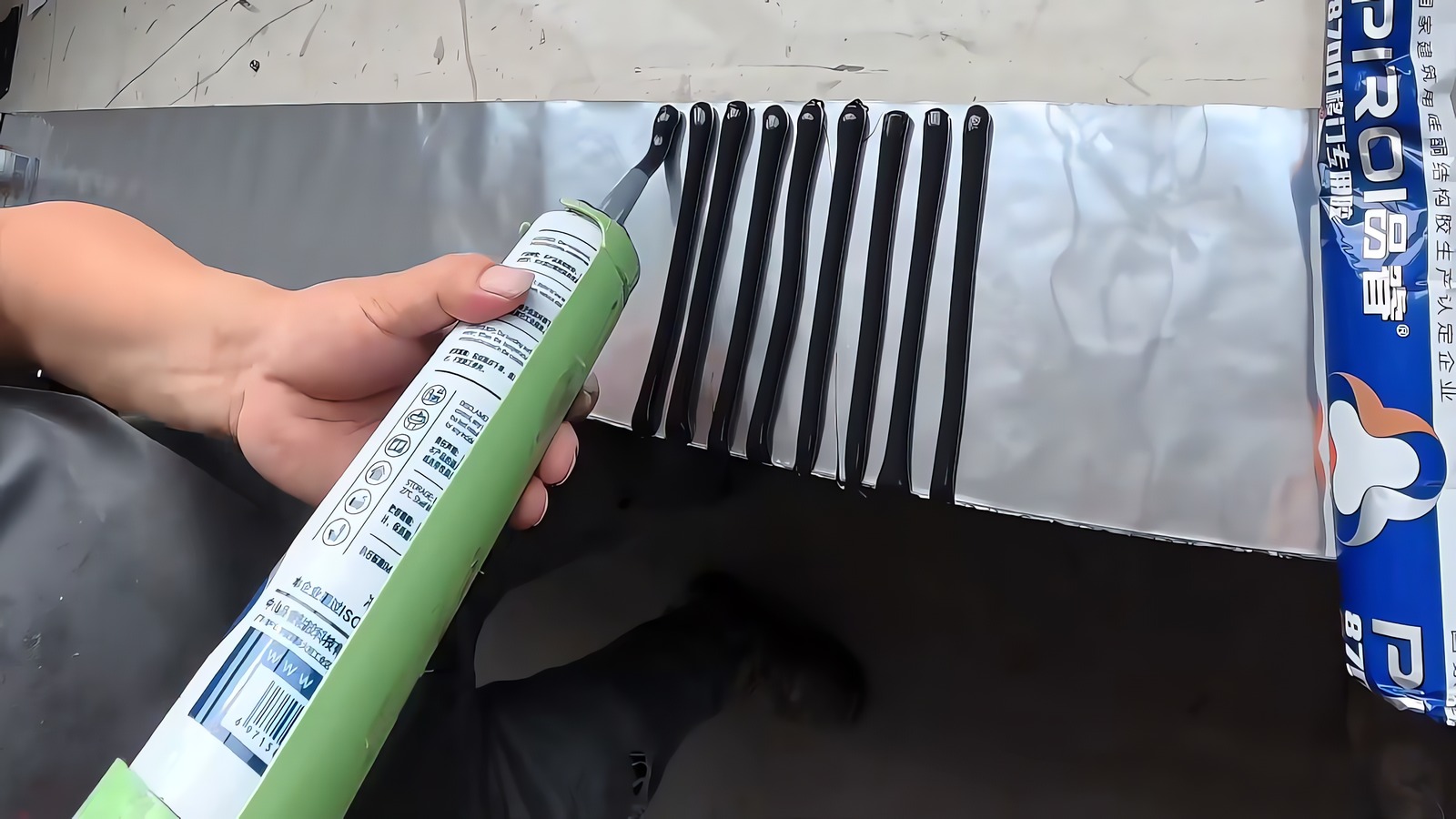
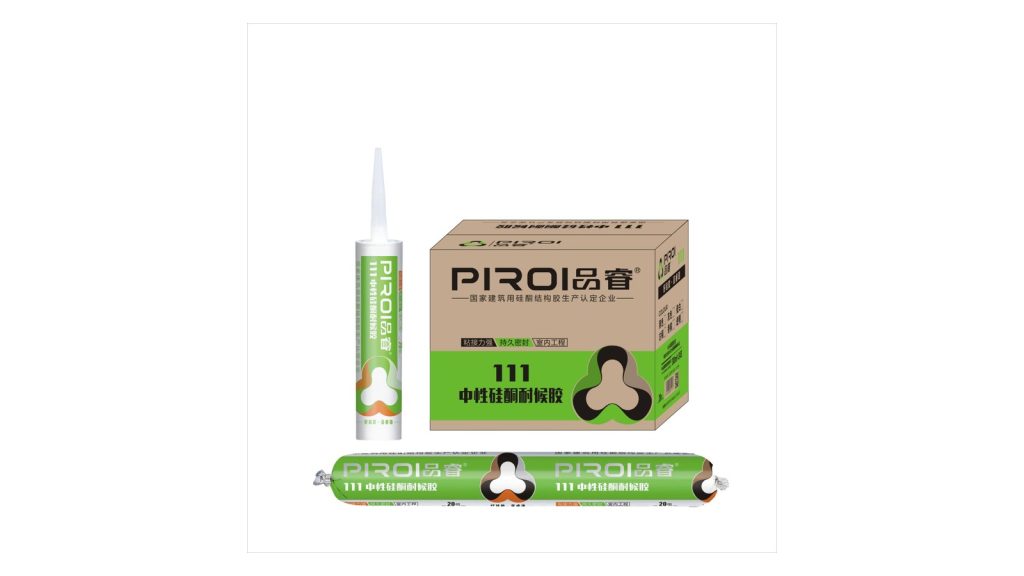
A stable grade is usually a neutral cure silicone, which cures without releasing acid and therefore does not degrade the substrate over time. The polymer, the filler and the crosslinker decide how far the grade drifts. A premium neutral weatherproof silicone sealant with a controlled modulus is the common choice for a facade or a window and door position where the joint has to hold for a long service life. See the structural extent and the curtain wall application page for the positions that most often carry the long term requirement.
What to ask a supplier
- Ask for the ageing test report behind the grade, not only the datasheet summary.
- Ask how the elastic recovery is quoted and at what temperature.
- Ask for the batch record for a specific production lot, so the grade can be traced back to its raw material.
- Ask whether the grade is neutral cure and what the cure by-product is.
- Confirm the MOQ, the lead time and whether OEM or private label is available.
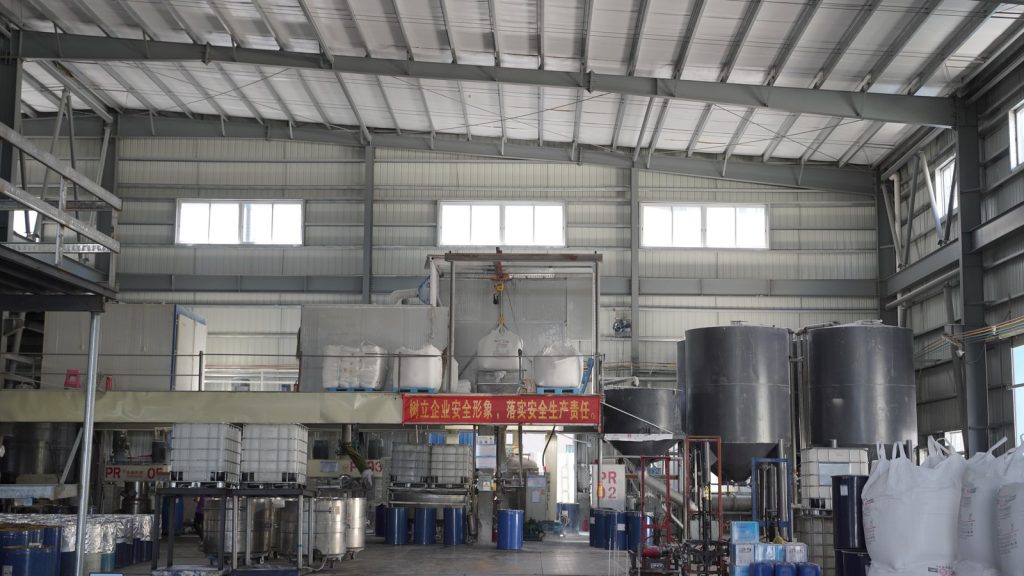
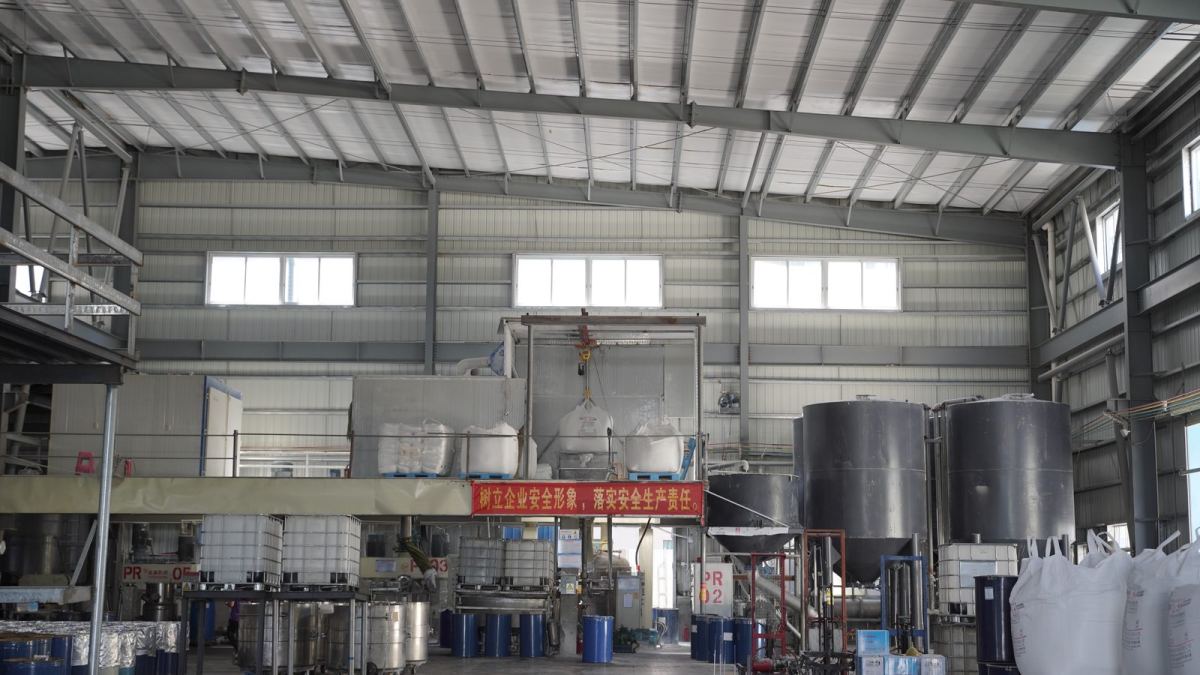
At our factory in Zhongshan we keep a sample of every batch for the shelf life and we can share the ageing and recovery data for the grade you are considering. The factory page shows the mixing hall, the filling lines and the laboratory where the tests are run.