A silicone sealant for construction is sold against a performance standard, and the standard is what makes one grade comparable to another. In China the common standards are GB/T 24822 or GB/T 14683 for a general building weatherseal and GB 16776 for a structural glazing sealant. The standard names the test, and the report gives the measured value. This guide explains what the performance standard covers and what the numbers mean.
What a construction standard covers
A construction sealant standard sets the test and the minimum value for the properties a facade or a building joint needs. The tests cover the adhesion to the substrate, the movement the joint can absorb, the recovery after a stretch, and the resistance to UV, moisture and temperature.
The standards a buyer will meet
| Standard | Applies to | What it checks |
|---|---|---|
| GB/T 14683 | Weatherseal building sealant | Adhesion, movement, recovery |
| GB 16776 | Structural glazing sealant | Bond strength, structural load |
| GB/T 23261 | Sealant for stone and panels | Adhesion and compatibility |
Choosing the right standard is the first step in a construction silicone sealant order. See the structural glazing application page for the structural side.
What the test report numbers mean
How to read the ASTM C920 movement class
North American specifications often name an ASTM C920 class next to the product. C920 is a classification system, not a pass mark: the class states how much joint movement the grade is rated to take. Class 25 covers plus or minus 25 percent of the joint width, and Class 50 covers plus or minus 50 percent. The full designation also carries the type and the grade, so a tube marked Type S, Grade NS, Class 25 is a single component, non sag, plus or minus 25 percent grade. A specification that names the class is easy to compare across suppliers, as long as the report behind it shows the same class and the same test method. A grade tested to GB/T 14683 does not carry a C920 class, and reading one standard as equivalent to the other is the assumption this guide warns about.
- Modulus. A lower modulus grade moves more easily with a joint, which matters on a facade with a large joint.
- Elastic recovery. The percentage the grade returns after a set stretch, which shows it seals again after movement.
- Adhesion. The bond to the substrate, measured with a peel or pull test.
- Movement capability. The expansion and compression the grade is tested to, often a plus and a minus value.
How to compare grades across suppliers
The silicone sealant grade is comparable across suppliers only when it is tested to the same standard. Compare the value on the test report, not the marketing wording on the packaging. Ask for the report behind the grade and the batch record for the lot you order.
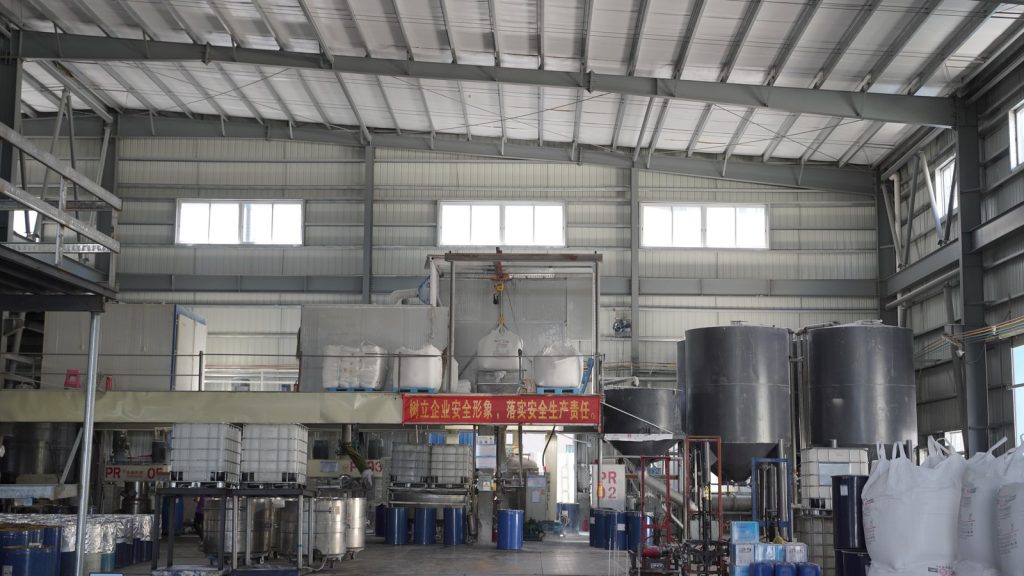
At our factory in Zhongshan we test each silicone sealant batch to the construction standard it is sold against, and the report gives the measured values. A sample is available and we can share the test data for the grade you are considering. Confirm the MOQ, the lead time and whether OEM or private label is available.
Common mistakes when reading a standard
The most common error is comparing grades that are tested to different standards. A weatherseal grade and a structural grade are not the same product even when they are both a silicone sealant, and the value cannot be compared across the two. The second error is reading the packaging wording rather than the test report, so the grade is judged on its claims instead of its measured values. The third error is ignoring the substrate, because a grade that bonds to glass may not bond to a coated frame or a stone face.
What to ask a construction supplier
- Ask which standard the grade is tested to, and get the report.
- Ask for the measured value for the modulus, recovery and adhesion, not a summary.
- Ask whether the grade is neutral cure and what the cure by-product is.
- Ask for the batch record and the retained sample for the lot you order.
- Confirm the MOQ, the lead time and whether OEM or private label is available.
For a facade the curtain wall facade application page shows how the structural and weatherseal positions are separated, and the structural silicone sealant grade is tested to the structural standard.