A marine silicone sealant has to resist what a boat meets every day: salt water, UV and movement. The grade is chosen on water and salt resistance first and on bond strength second, and it is not the same as a building sealant. This guide covers what a marine silicone sealant has to do and how to specify it for a boat builder or a fitter.
What a marine grade has to survive
A boat seam is wet, salty and constantly moving. A silicone sealant for a marine position has to hold its bond in salt water, resist UV on deck, and recover after the hull flexes. The three properties that matter most are saltwater resistance, UV stability and movement recovery.
Marine silicone vs building silicone
| Property | Building silicone | Marine silicone |
|---|---|---|
| Environment | Weather | Salt water, UV, flexing |
| Bond | Glass, metal, masonry | Fibreglass, aluminium, timber |
| Main risk | Weathering | Salt water and UV |
| Colour | Building tones | Often white or neutral |
Choosing a building grade for a boat seam is the most common error in a marine sealant order. See the marine silicone sealant for boats application page.
What to specify for a marine grade
- State the surface the sealant will bond to, so the grade can be checked for adhesion.
- State whether the seam is above or below the waterline, because the water load differs.
- State the UV exposure on the seam, because a deck seam needs a UV-stable grade.
- Ask the manufacturer for the saltwater and UV test data behind the grade.
- Confirm the MOQ, the lead time and whether OEM or private label is available.
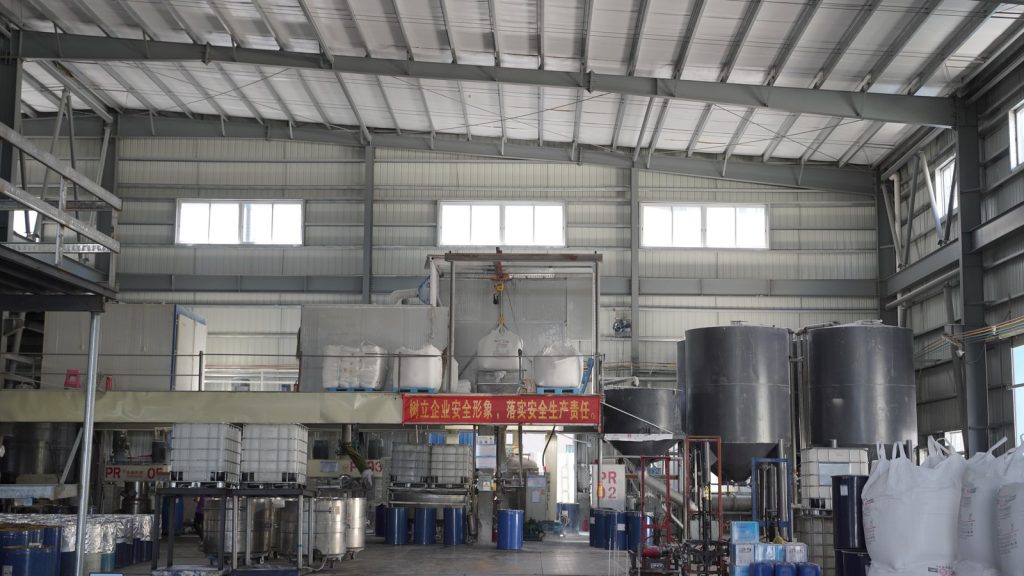
At our factory in Zhongshan we make marine silicone sealant grades for boat builders and fitters, and each batch is tested before release. A sample is available so you can check the bond and the colour on your part before the full order. Ask about the MOQ, the lead time and OEM or private label options.
Test standards behind a marine grade
A marine silicone sealant is tested against water, salt and UV before it is used on a boat or a piece of marine equipment. The grade is checked for its water resistance, its bond to the fibreglass or aluminium hull and its recovery after the hull flexes. The test report quotes the exposure and the change in the modulus and the adhesion over that exposure. For a grade that has to sit below the waterline, the manufacturer should be able to show the corresponding water soak test data.
Key parameters to compare
- Saltwater resistance. The grade is soaked in salt water and the bond is checked after the exposure.
- UV stability. A deck seam faces sunlight, so the grade is tested for UV exposure and colour change.
- Recovery. The sealant has to return after the hull flexes, so recovery is quoted as a percentage.
- Bond to the hull. The adhesion to fibreglass, aluminium or timber is measured with a peel or pull test.
- Cure time. A fast cure grade suits a production line, while a slower cure suits a repaint that needs tooling.
Common mistakes to avoid
The most common error on a boat is using a building silicone for a hull seam. A building grade is made to stay sealed in weather, while a marine grade is made to hold its bond in salt water and UV. The second error is ignoring whether the seam is above or below the waterline, because a below-waterline grade has to pass a different water soak test. The third error is choosing by colour or by the pack label rather than by the test report. Ask for the saltwater and UV test data and the batch record for the lot you order.
For a boat or a marine fit the grade is on the marine silicone sealant for boats application page, and the wider range is on the full silicone sealant range with the glass and aquarium application page for a related wet position.