
Low Modulus Silicone Sealant: What It Means and How to Source
A low modulus silicone sealant deforms instead of cracking when a joint moves. In curtain walls, structural glazing and building facades the specification calls for this behaviour. PIROI’s PR-999 delivers 205% elongation at maximum tensile strength and 0.85 MPa adhesion. This guide explains the modulus scale, which sealant needs it, and how to make bespoke orders from the factory.
What modulus means on a silicone sealant submittal

A silicone sealant’s modulus is the stress needed to stretch the material a given amount. The term is used in two opposite ways, which causes confusion.
- High modulus — stiff and resists the movement
- Medium modulus — resists but allows some movement
- Low modulus — absorbs the movement
Structural glazing normally specifies low modulus. By using a low modulus product you reduce loads on the glass, frames and mullions in a way that a high modulus silicone sealant does not.
Which applications specify low modulus
The sealant type in the structural class is what determines the use.
- Structural glazing for glass-to-metal or glass-to-stone curtain walls
- Unitised curtain walls where the frame moves with the wind load
- Single-component architectural facades
High modulus products such as weatherseal grades and PR-638 are not tested against the same requirements. The way each class acts differs.
How to specify for your project
Choose the exact class before ordering the bulk quantity. The following items define the construction.
- Substrate chemistry. Low modulus grade performs on glass, aluminium and terracotta.
- Cure system. PR-999 is neutral cure with low skin time.
- Colour. Options are clear, white, black or grey.
- Material compliance. Safety item, CE or AS in all English products.
- Shipping form. Octib, sausage, cartridge or drum size.
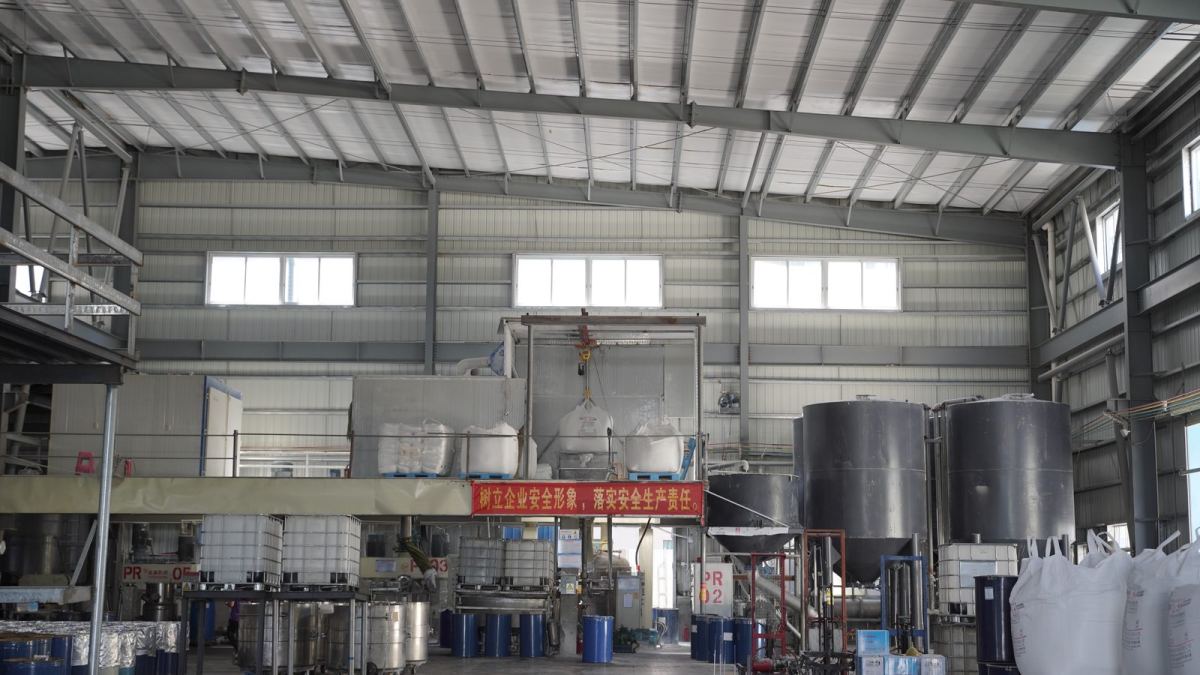
Factory direct procurement for low modulus
Low modulus silicone sealant is sold direct from the factory for projects above the MOQ.
- MOQ: Ask for the factory price chart. Bulk pricing applies.
- Lead time: Standard and May production. Expedited not available outside.
- OEM / private label: Brands are allowed.
- Sample programme: Pre-qualified samples ship with standard products.
- Documentation: Certificates-inclusion, TDS and submittal package.
The full range of PR-999 covers low modulus requirements on structural applications.
FAQ
What does low modulus silicone sealant mean on a submittal?
Modulus is the stress needed to stretch a silicone sealant a given amount. Low modulus moves with the joint. PR-999 returns 205% elongation at maximum tensile strength and 0.85 MPa adhesion at 23 degrees Celsius.
How does high modulus differ from low modulus?
High modulus is stiff: resistance to push-back. Low modulus absorbs the movement. This is the difference in use.
Does the silicone sealant need to be approved for approval?
Only the product selection. The compliance certificate refers to grades of the National Standard.
How should low modulus be stored?
Low modulus products stored at 10-25 degrees centigrade and 50% RH. 24 months shelf life.
Next steps
Select your specification class, request the submittal package and order samples from the factory.