An industrial silicone sealant is not the same product as a facade sealant. In a factory or a machine, the grade has to resist heat, oil and vibration, and it often bonds parts rather than sealing a building joint. This guide covers what an industrial silicone sealant has to do and how to specify it for plant and machinery.
What the industrial grade has to survive
A machine or a plant joint is a different environment from a curtain wall. The silicone sealant here is exposed to temperature, to process fluids and to continuous movement. The three properties that matter most are temperature resistance, fluid compatibility and bond strength.
Industrial silicone vs building silicone
| Property | Building silicone | Industrial silicone |
|---|---|---|
| Load | Weather | Heat, oil, vibration |
| Cure | Neutral cure | Neutral or acetoxy |
| Bond | Glass, metal, masonry | Metal, plastics, coated parts |
| Colour | Building tones | Often black or neutral |
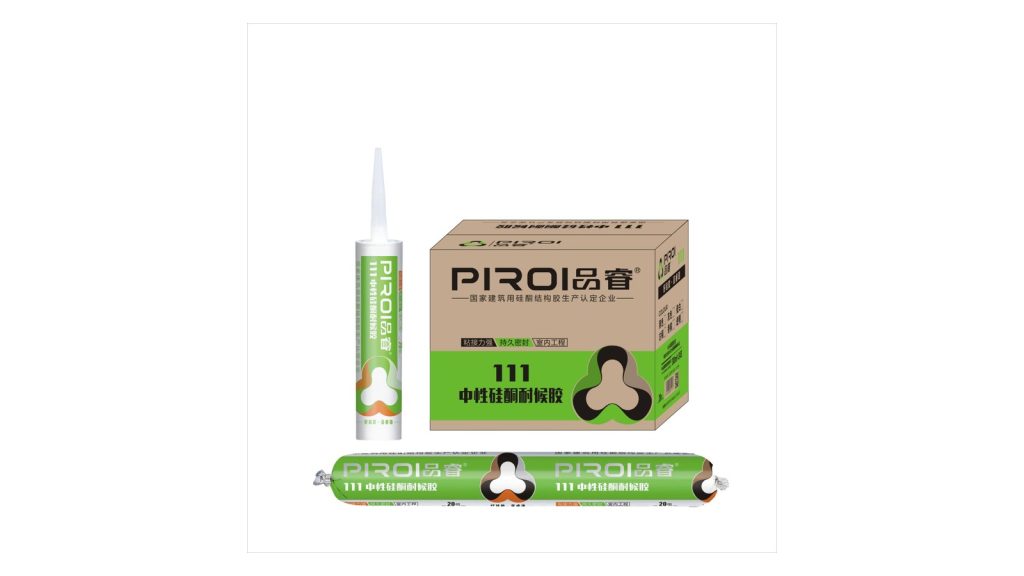
Choosing the wrong grade for the wrong position is the most common error in an industrial sealant order. See the industrial silicone sealant series for the grades we make.
What to specify for an industrial grade
- State the temperature range the joint will see, not a single maximum value.
- State the fluids the sealant will touch, so the grade can be checked for compatibility.
- State whether the joint is static or dynamic, because movement changes the grade.
- Ask the manufacturer for the test report behind the temperature and fluid values.
- Confirm the MOQ, the lead time and whether OEM or private label is available.
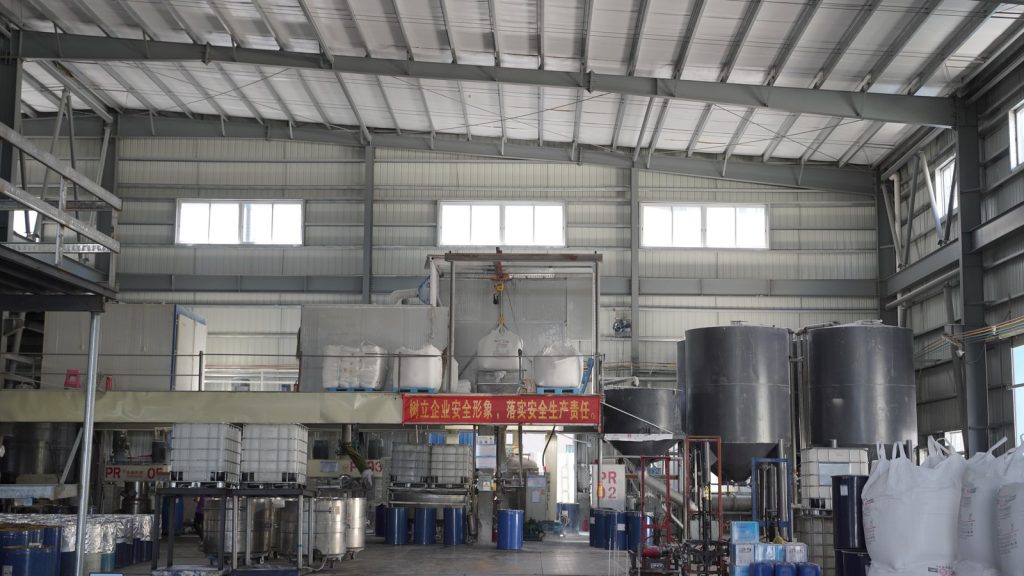
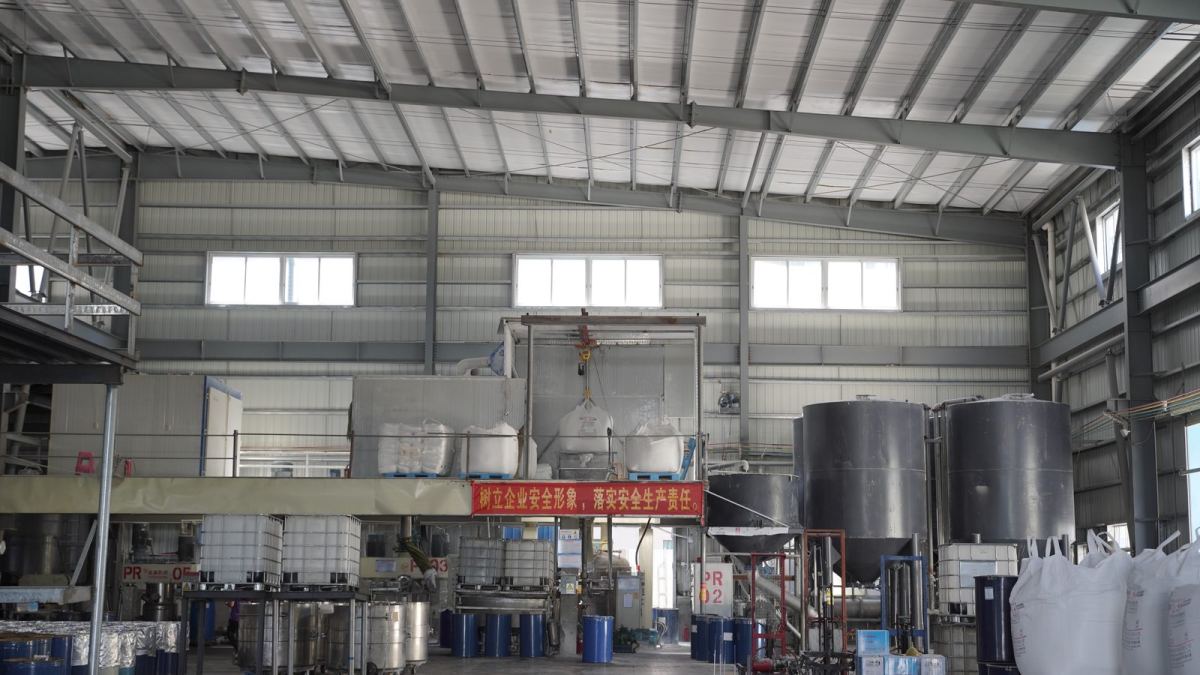
At our factory in Zhongshan we make industrial silicone sealant grades for equipment and plant, and each batch is tested before release. A sample is available so you can check the bond and the fluid resistance on your part before the full order. Ask about the MOQ, the lead time and OEM or private label options.
Test standards behind an industrial grade
An industrial silicone sealant is tested against a named standard before it is used on a machine. For a general industrial joint the grade is checked for its temperature range, its fluid compatibility and its bond to the part. The test report quotes the cure time, the hardness, the tensile bond and the temperature limits. For a grade that has to resist heat or a specific fluid, the manufacturer should be able to show the corresponding test data rather than a summary sheet.
Key parameters to compare
- Cure time. A fast cure grade is useful on a production line, while a slower cure suits a large seam that has to be tooled.
- Hardness. A softer grade moves more and absorbs vibration, while a harder grade holds a shape.
- Temperature resistance. The grade is quoted over a low and a high limit, not a single number.
- Fluid compatibility. The grade is checked against the oil, solvent or coolant it will touch.
- Tensile bond. The bond to the metal or plastic part is measured so the joint holds under load.
Common mistakes to avoid
The most common error is choosing a building silicone for a machine joint. A building grade is made to stay sealed in weather, while an industrial grade is made to hold a bond under heat, oil and vibration. The second error is specifying a single temperature instead of a range, which means the grade can fail at one end of the service life. The third error is ignoring the fluid, so the sealant breaks down where a machine is exposed to a process fluid. Ask for the test report and the batch record for the grade and the lot you order.
For an industrial joint the grades are in the industrial silicone sealant series, and the wider range is on the full silicone sealant range with the appliance manufacturing application page for a related factory position.