An expansion joint sealant is chosen on two numbers that are not in the product name: how much the joint moves, and how deep the sealant bed has to be. Colour is the easiest decision and the least important. Start a silicone sealant selection on the movement the joint will see, and the next steps follow.
Read the movement number before the grade
Every expansion joint has a design movement, usually set by the engineer on the drawing or by a standard such as GB/T 14683 for window and door grades or GB/T 23261 for structural applications. Movement is a percentage, and it is the number the silicone sealant has to absorb. A 20 percent movement grade is not the same product as a 50 percent movement grade, even when both are neutral cure.
The three parts of a movement capacity
When a buyer asks for an expansion joint silicone sealant, the answer is three figures that work together:
- Elastic recovery. How far the sealant returns after being stretched, shown as a percentage. A high recovery grade keeps the joint sealed after repeated cycles.
- Movement capability. The rated expansion and compression the grade is tested to, usually quoted as plus 25 percent and minus 25 percent.
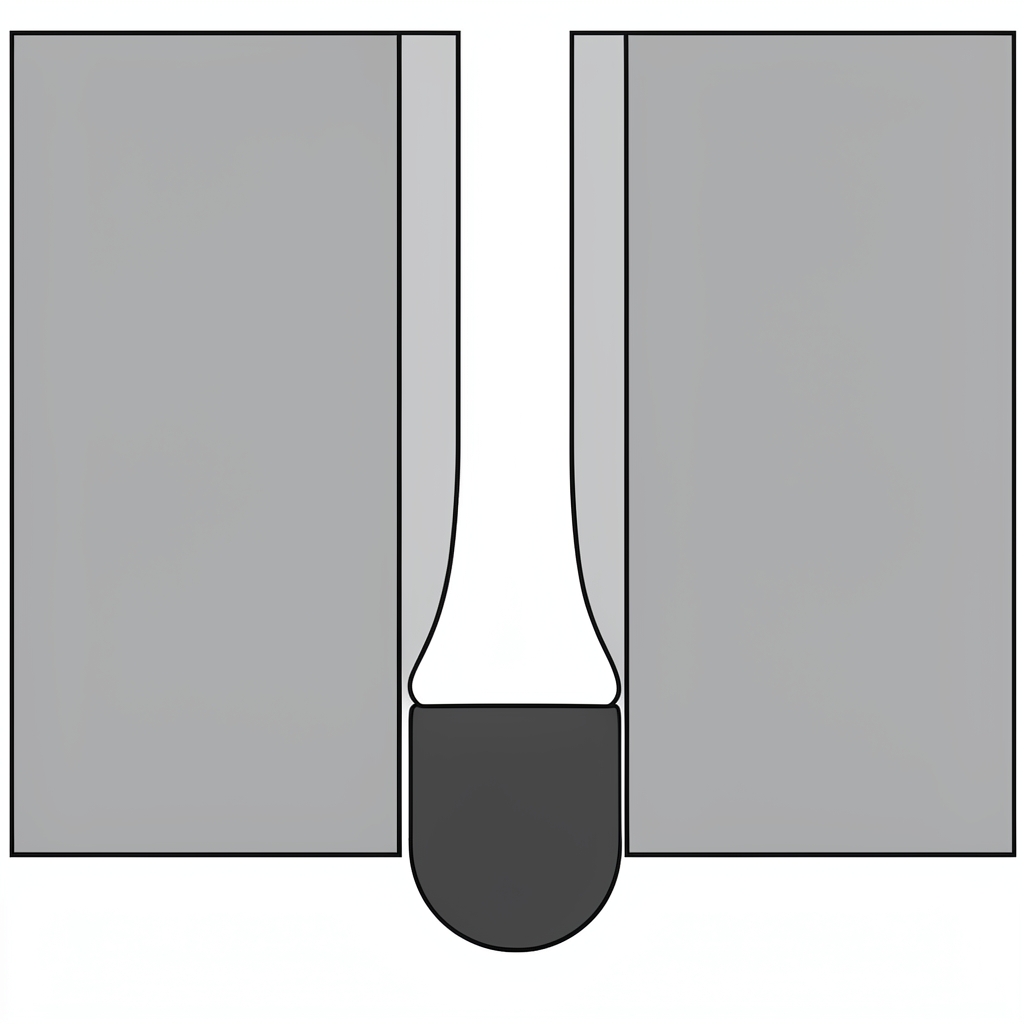
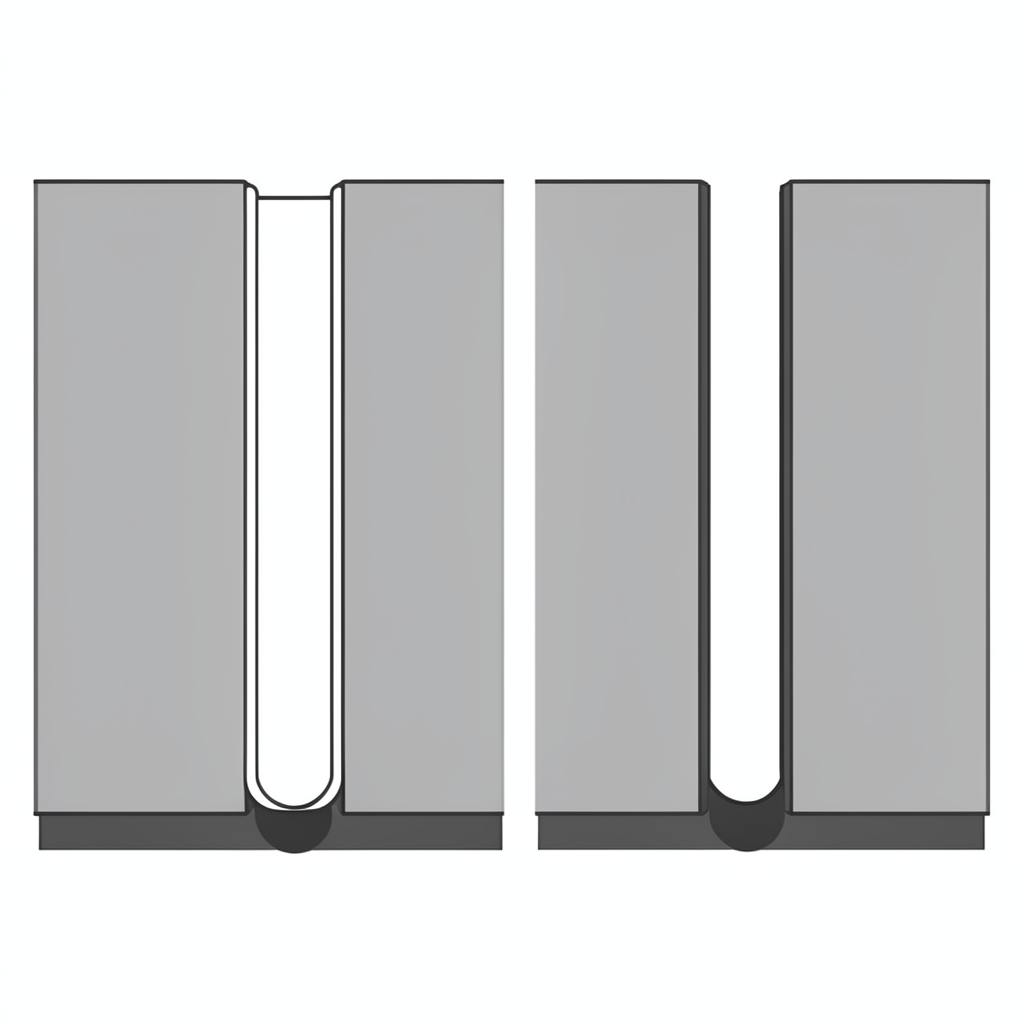
- Joint depth ratio. The width to depth ratio the sealant is installed at, which decides how much sealant is in the joint and therefore how it moves.
Match the sealant to the substrate, not the joint shape
The same expansion joint sealant behaves differently on concrete, metal and glass. Silicone is a good choice on most building substrates because it bonds without a primer on cleaned non-porous and low-porosity surfaces, but the grade has to be selected for the facing material. On a precast concrete panel the sealant beds into the joint at the specified depth ratio. On a curtain wall the sealant carries a different duty because the facade is a structural or a weatherseal position, and the two are not interchangeable.
Expansion joint vs sealing joint: what changes
| Position | Main duty | Typical movement |
|---|---|---|
| Expansion joint | Absorbs building movement | High, cyclic |
| Sealing joint | Stops water and air | Low, static |
| Structural glazing | Bears load | Defined by stress |
An expansion joint on a bridge deck or a long facade moves more than a window perimeter joint. That is why the movement rating leads the selection.
Expansion joint sealant by building position
Not every expansion joint moves the same way, and the grade follows the position rather than the product name.
- Curtain wall and facade. A long facade expands and contracts as the cladding heats and cools. The joint here is a weatherseal position, and a neutral cure weatherproof silicone sealant with good recovery is the usual choice. See the curtain wall application page for the position.
- Precast concrete panel. A panel joint sees movement from shrinkage and thermal change. The sealant beds over a backer rod at the set depth ratio. See the precast concrete page.
- Window and door perimeter. The movement around a frame is smaller, and the grade is more about air and water sealing. See the window and door grade.
- Structural glazing. Where the sealant carries load, the joint is a structural position and the movement is defined by the stress, not by a percentage. See the structural grade.
How to specify for a project
- Confirm the joint movement from the drawing, not the product name.
- Pick a neutral cure grade for the usual building substrate, unless the position needs a fast cure or an acetoxy grade for metal.
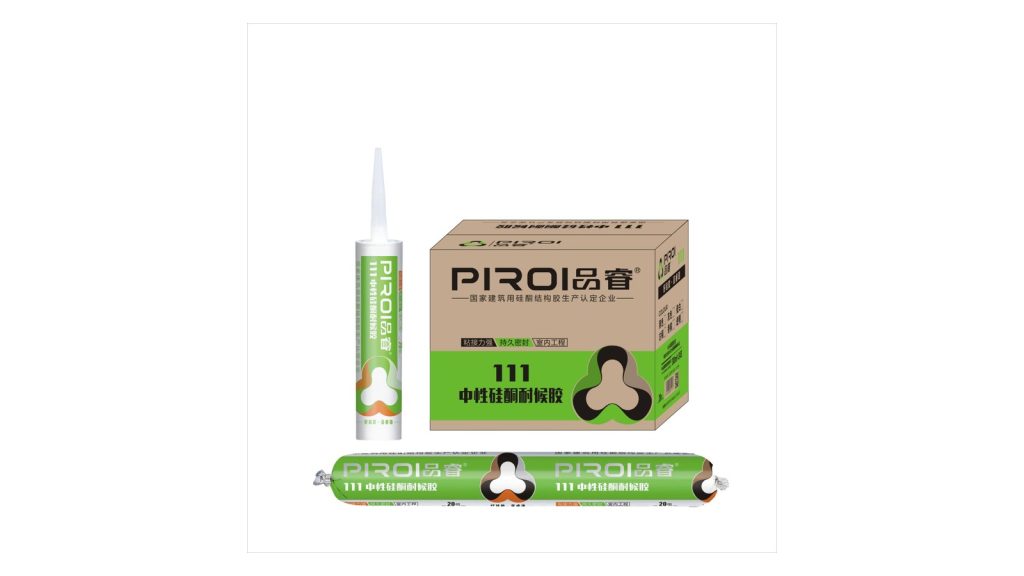
- Check the depth ratio and order the cartridge or sausage size to suit the site gun.
- Ask the silicone sealant manufacturer for the test report behind the movement figure, not only the datasheet.
- Confirm the MOQ, lead time and whether OEM or private label is available for the project.
At our factory in Zhongshan we test every silicone sealant batch before release, and we can supply a sample of the grade you are considering so the movement and the depth can be checked on a test joint before the full order. The cartridge or sausage size, the MOQ and the lead time all depend on the grade and the packaging format, so a sample order is the fastest way to confirm the sealant matches the joint.