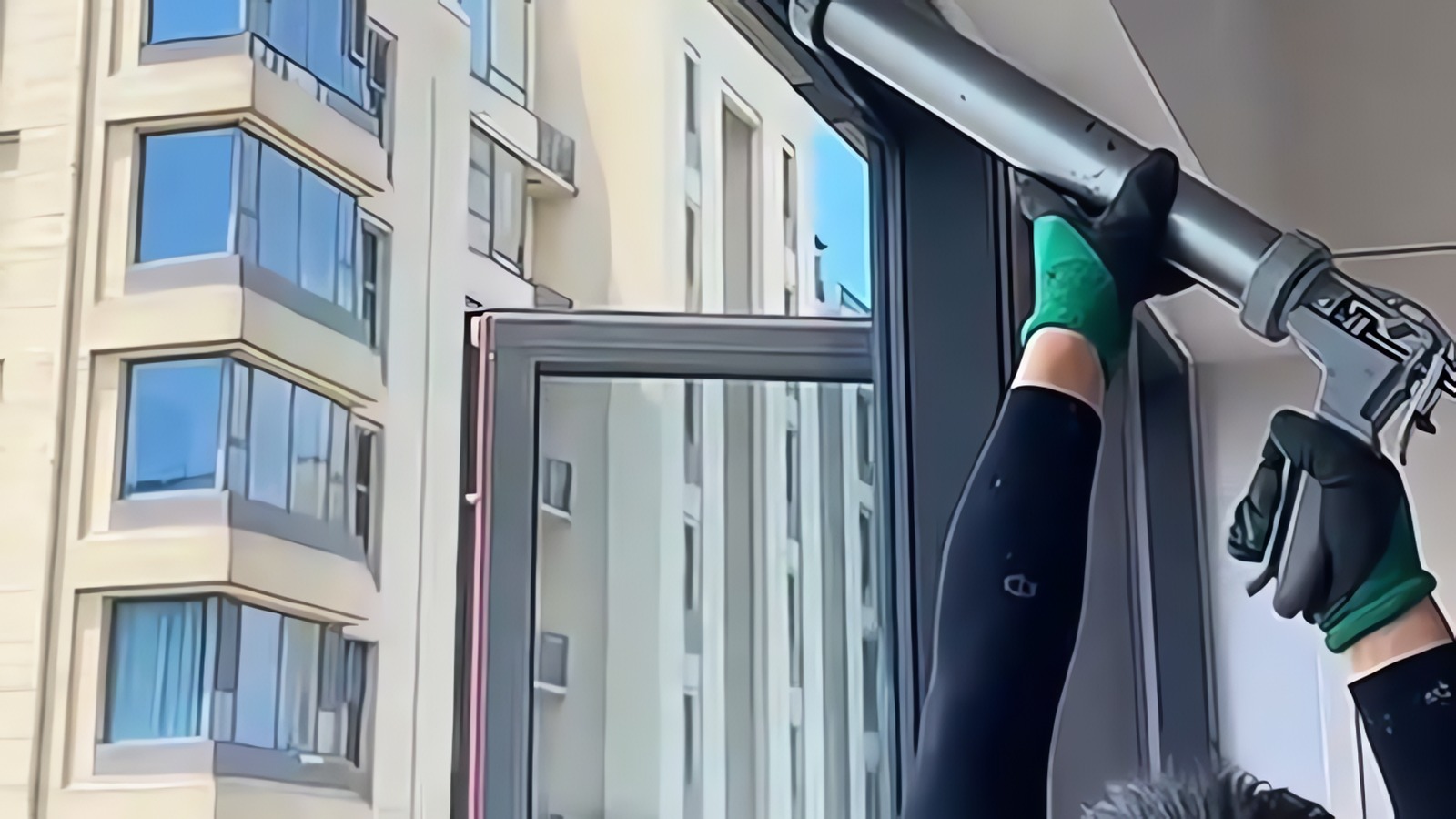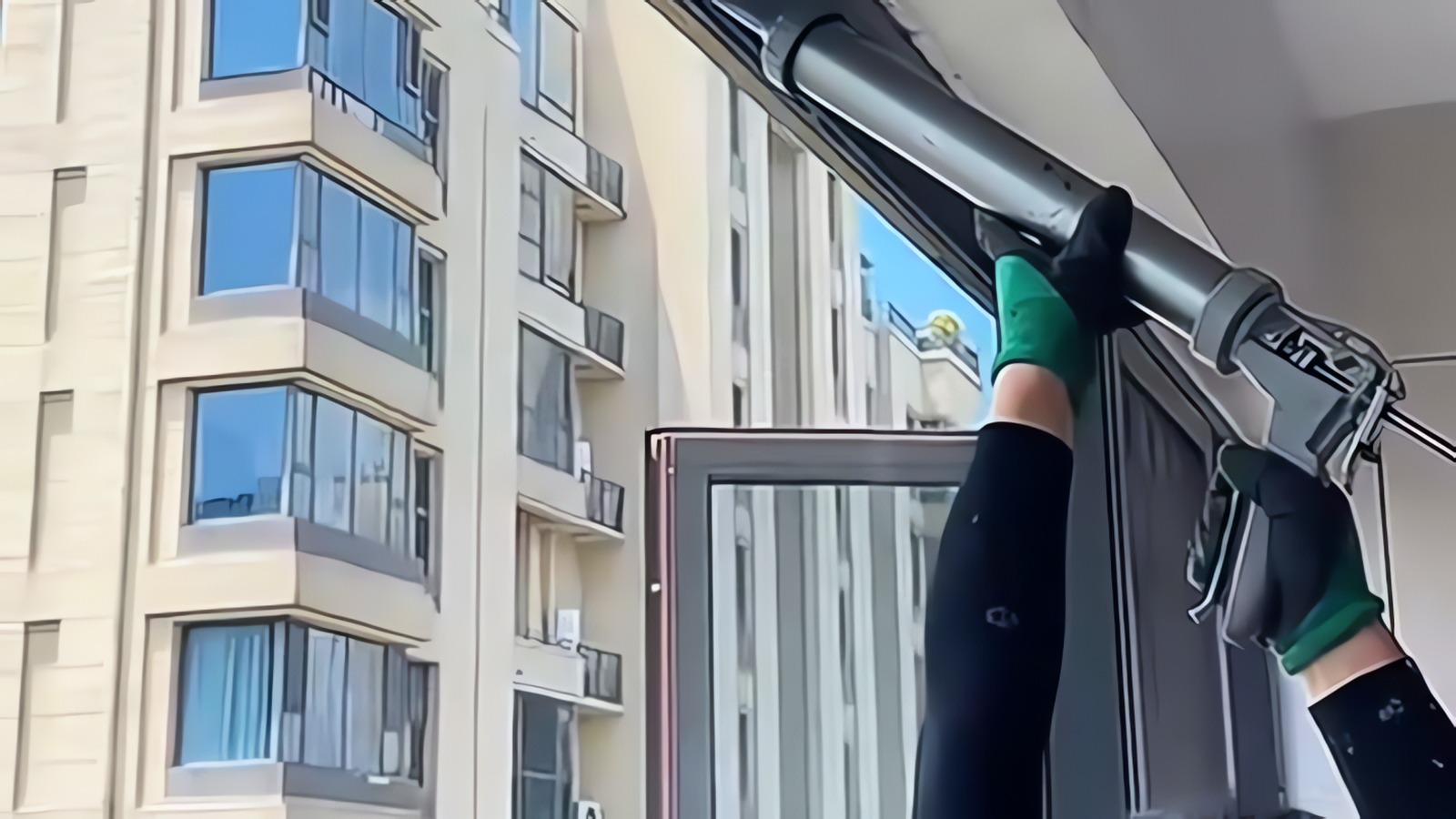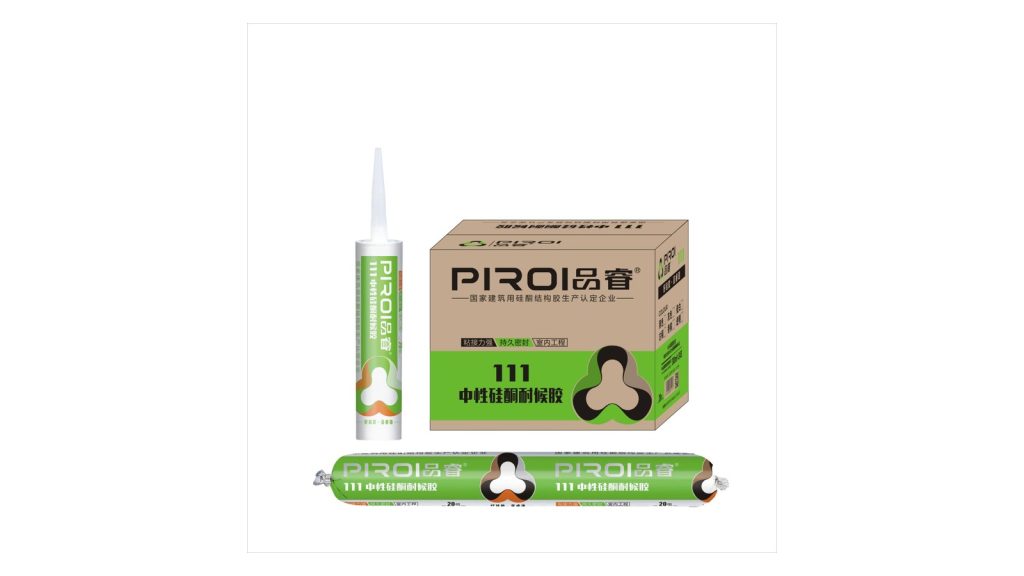
An ACP sealant for aluminium composite panels has to bond to the coated panel and seal the joints against water and air. It is a specific position, because the panel is a flat, coated face and the joints have to stay sealed as the cladding moves. This guide covers what an ACP sealant has to do and how to specify it for cladding and facade joints.
What an ACP joint needs
An aluminium composite panel facade is a series of flat panels joined at the edges. The silicone sealant in that joint has to bond to the coated panel face, resist weathering, and recover as the panels expand and contract. The main risk is a sealant that does not bond to the coating, which leaves a gap that lets water in.
ACP sealant vs general facade sealant
| Property | General facade sealant | ACP cladding sealant |
|---|---|---|
| Substrate | Glass, masonry, metal | Coated composite panel |
| Main need | Weather seal | Bond to coating |
| Movement | Varied | Panel expansion |
| Colour | Building tones | Neutral or panel match |
A silicone sealant for ACP cladding is checked for adhesion to the coating and for the movement of the panel. See the silicone sealant for ACP cladding application page.
What to specify for an ACP facade
- State the panel coating, so the grade can be checked for adhesion to the finish.
- State the joint width and movement of the cladding, because a panel expands and contracts.
- State the weathering exposure, because a facade faces UV and rain.
- Ask the manufacturer for the adhesion and weathering test data.
- Confirm the MOQ, the lead time and whether OEM or private label is available.
At our factory in Zhongshan we make silicone sealant grades for ACP cladding and facade joints, and each batch is tested before release. A sample is available so you can check the bond to your panel coating before the full order. Ask about the MOQ, the lead time and OEM or private label options.
Test standards behind an ACP sealant
An ACP silicone sealant is tested against a named standard before it is used on a cladding joint. For a weatherseal on an aluminium composite panel facade the grade is checked against GB/T 23677 or GB/T 14683, and the report quotes the adhesion to the coating, the recovery and the weathering change. The value asked for is the one on the test report, not the one on the packaging or the datasheet summary.
Key parameters to compare
- Adhesion to the coating. The bond to the coated panel face is the main test, because a poor bond leaves a gap that lets water in.
- Movement. A panel expands and contracts, so the grade is quoted for recovery and movement.
- Weathering. A facade faces UV and rain, so the grade is tested for weather exposure and colour change.
- Cure time. A fast cure grade suits a cladding line, while a slower cure suits a large panel that needs tooling.
- Colour. A neutral or panel-matched grade is chosen so the bead does not read as a stain.
Common mistakes to avoid
The most common error on an ACP facade is choosing a sealant that does not bond to the coated panel, which leaves a gap and lets water in. The second error is ignoring the panel movement, so the sealant splits as the panel expands. The third error is choosing by colour or by the pack label rather than by the adhesion and weathering test report. Ask for the test data, the batch record and a retained sample so the grade can be traced back to the specific lot.
For an ACP facade the grade is on the silicone sealant for ACP cladding application page, and the wider building range is on the full silicone sealant range with the curtain wall facade application page for a related facade position.