
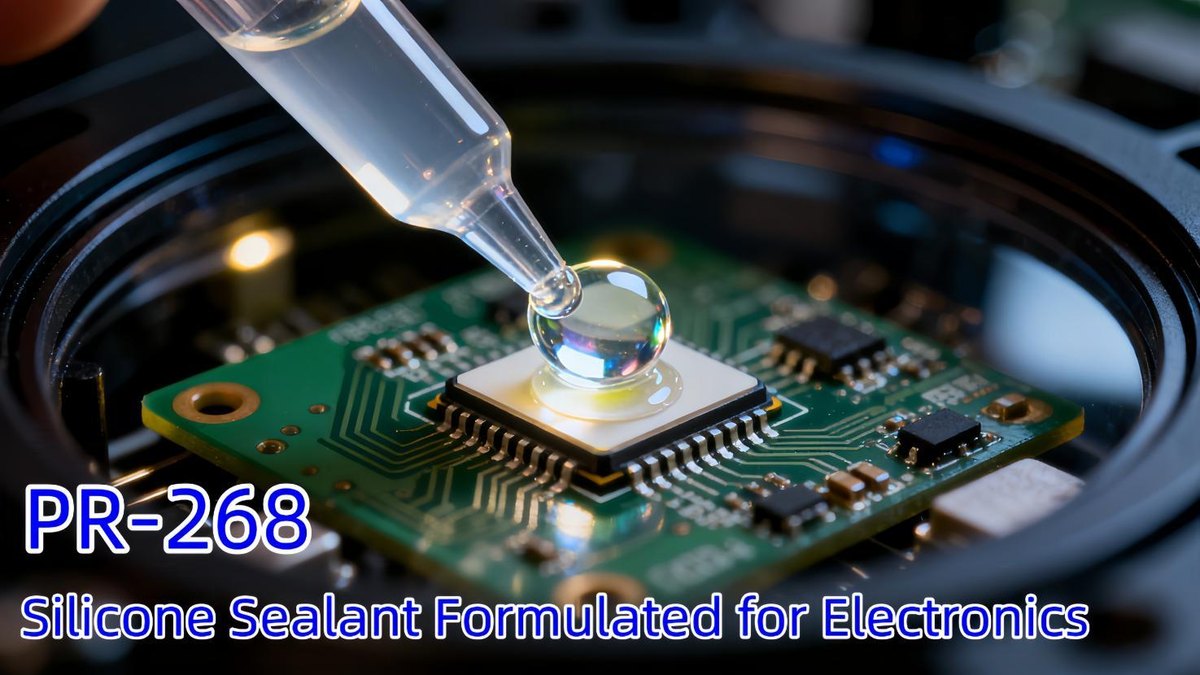
Silicone Sealant for Appliance Manufacturing
Appliance seals have to survive heat, steam, grease and cleaning chemicals for the life of the product, and pass a compliance review before they ship. A sealant that works in a kitchen cabinet may fail on an oven door.
What Appliance Seals Have to Survive
Appliance projects are decided as much by documentation as by the datasheet.
- Heat and Steam: Oven doors, cooktops and range hoods see continuous heat and steam cycling. Standard sealants harden and lose adhesion.
- Compliance Evidence: RoHS and material declarations are asked for at audit, not at the end of the project. The documentation has to exist before the order.
- Mixed Materials: Glass, enamel, stainless steel, painted steel and engineering plastics in one appliance. Each needs different preparation.
- Production Line Speed: Appliance assembly is a takt-time process. A slow sealant becomes a bottleneck, not a material cost.
How PIROI Solves It
A RoHS compliant neutral cure sealant formulated for appliance substrates, with documentation available for your compliance file.
- RoHS Compliant: Declared RoHS compliant, with documentation available for your compliance file.
- Neutral Cure: No acetic acid to attack enamel, plated trim or metal parts inside a sealed appliance.
- Adhesion Across Appliance Substrates: Formulated for glass, enamel, stainless steel, painted steel and common engineering plastics.
- Production-Ready Packaging: 300 mL cartridges for manual assembly and 590 mL sausage packs for dispensing equipment.
- Related technical guides: silicone sealant batch quality control, silicone sealant rfq to sample approval, silicone sealant packaging cartridge sausage drum — each covers the engineering behind the grade you are specifying.
Appliance projects are usually decided by the compliance file, not the datasheet. Tell us which declaration you need — RoHS, material composition or a specific customer specification — and we will confirm what we can provide before you commit.
Appliance Manufacturing — Critical Engineering Parameters
RoHS Compliant
Declared RoHS compliant, with documentation for your compliance file.
Heat and Steam
Formulated for ovens, range hoods, cooktops and induction appliances.
Neutral Cure
No acetic acid to attack enamel, plated trim or internal metal parts.
Production Packaging
300 mL cartridges and 590 mL sausage packs for manual or automated dispensing.
Sealants for Appliance Manufacturing
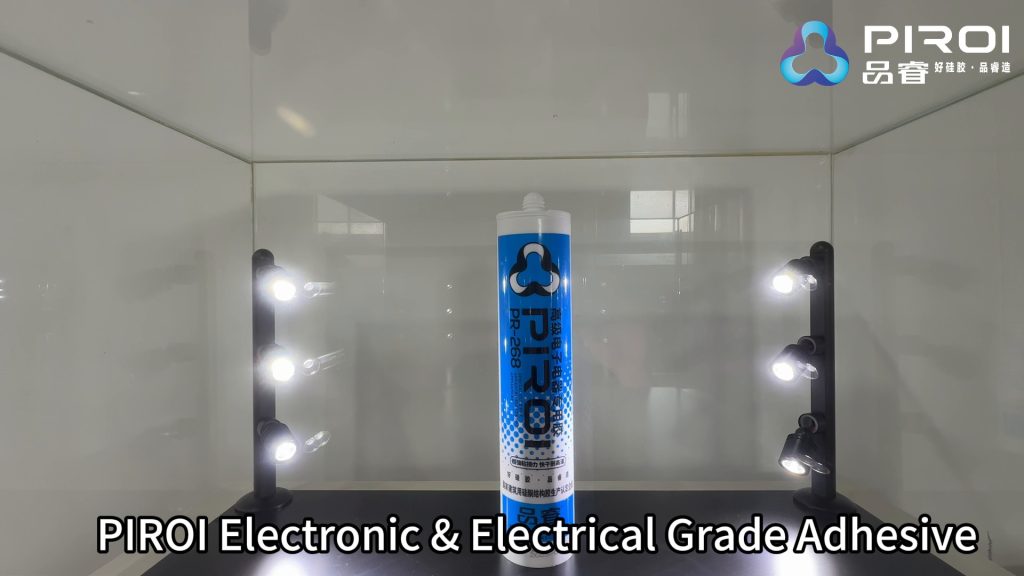 Appliance
 Silicone Sealant
Specialty sealant for home appliance manufacturing. RoHS compliant, suitable for range hoods, ovens, induction cookers, disinfecting cabinets.
View DetailsMOQ, Lead Time & Private Label
Installation Protocol for Appliance Manufacturing
Confirm the Temperature and Steam Exposure
An oven door sees different conditions from a refrigerator panel. State the actual working temperature before selecting a grade.
Check the Compliance Requirement
Ask your compliance team which declaration is needed and in what format. Getting this wrong delays the order, not the sealant.
Prepare Each Substrate Separately
Glass, enamel, stainless and plastics each need the right cleaner. Cleaning a mixed joint with one solvent rarely works.
Apply on the Line
One continuous bead, tooled before skin forms. Match the cure speed to your takt time so units are not handled early.
Cure and Inspect
Allow full cure before the unit is powered or packed. Add a bead inspection step — a missed bead found at final test costs far more than the sealant.
FAQs — Appliance Manufacturing
Is your appliance sealant RoHS compliant?
Yes, PR-268 is declared RoHS compliant and we provide documentation for your compliance file. If you need a specific declaration format or an additional material statement, tell us before the order and we will confirm what we can supply.
Can it be used on oven doors and cooktops?
Yes — it is formulated for home appliance manufacturing including ovens, range hoods, cooktops and induction appliances. State the actual working temperature so we can confirm the grade.
Why neutral cure for appliances?
Acid cure releases acetic acid while curing, which can attack enamel, plated trim and internal metal parts in a sealed appliance. Neutral cure avoids that risk.
Do you supply for automated dispensing lines?
Yes — 590 mL foil sausage packs suit air or electric dispensing equipment, and 300 mL cartridges suit manual assembly.
What is the MOQ and lead time?
Standard OEM and private label MOQ is 1,000 pcs per model, with mixed-model trial orders from 3,000 pcs total and stock items from 500 pcs. Typical lead time is 15–25 days after artwork and sample approval.
Need pricing or a sample for Appliance Manufacturing?
Tell us your substrate, joint dimensions and target market. We will come back with pricing, sample arrangements and the technical data sheet.
- Free adhesion & staining test on your own substrate sample
- OEM & private label from 1,000 pcs
- Typical lead time 15–25 days