
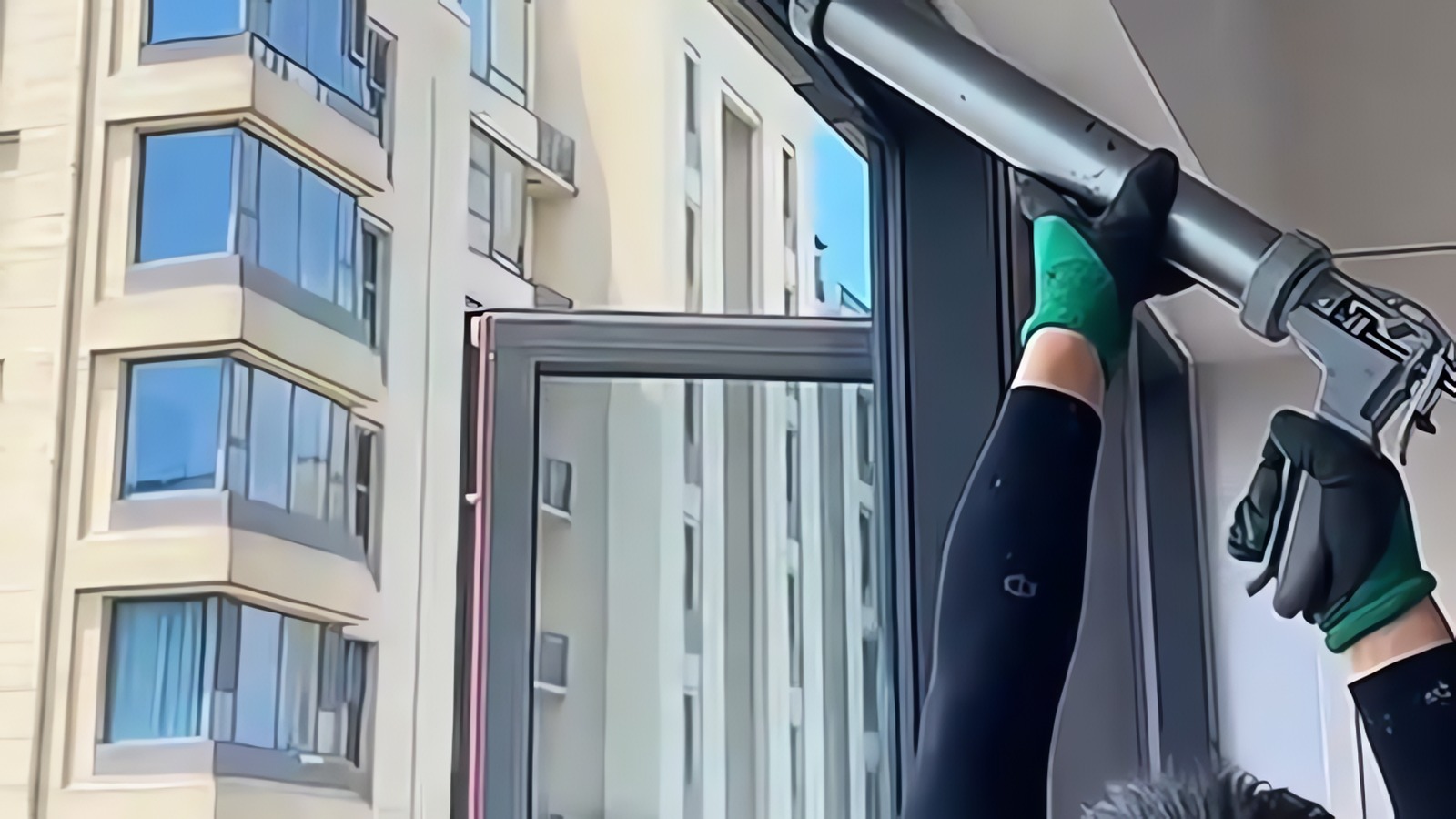
Structural Silicone Sealant for Structural Glazing
In structural glazing the sealant is not filling a gap — it is transferring wind load from the glass into the frame. That makes it a structural component of the facade rather than a weatherstrip, and it has to be specified, tested and applied as one.
Why Structural Glazing Is Different
A structural glazing joint looks like a weatherseal joint but carries load. Four things separate the two.
- Load Transfer, Not Gap Filling: The bead is engineered to carry wind load into the mullion. Joint width, bead depth and bite all come from a structural calculation, not from the size of the gap on site.
- Three-Sided Adhesion: If the sealant bonds to the joint base as well as both faces, it cannot flex and tears internally within one or two seasonal cycles. Backer rod or bond breaker tape is mandatory.
- Coating and Substrate Compatibility: Anodised aluminium, PVDF-coated panels, laminated glass and concrete each behave differently. A bead that passes on bare aluminium can peel from a coated profile.
- Cure Before Load or Test: Structural joints must reach full cure before any load is applied or adhesion is tested. Loading early is the most common cause of a failed field test.
How PIROI Solves It
One-component neutral cure structural silicone manufactured to GB 16776-2025, supplied with the test data a specifying engineer needs to sign off.
- GB 16776-2025 Structural Grade: Tensile adhesion strength 0.85 MPa against a 0.60 MPa minimum, with 205% elongation at maximum tensile strength.
- Neutral Cure: No acetic acid release — safe on anodised aluminium, laminated glass interlayers and concrete.
- No Alkane Plasticizer: Alkane plasticizer not detected, so no migration staining on coated profiles or porous stone.
- Shear Data Available: Shear strength 0.89 MPa, plus tensile adhesion after water immersion (0.93 MPa) for submittal packages.
- Butt Glazing and Air Entrapment: bonding glass edge to glass edge with no mullion is the detail where bubbles show up most often, because the joint is deep and narrow. Air gets in through a pushed nozzle, too fast a bead rate, a missing backer rod or tooling at the wrong moment — and a void in a load-bearing bead reduces the effective bond area.
- Structural silicone bonding: on-site versus off-site Structural silicone bonding is the process of bonding glass to a frame with a bead that carries load. It can happen in two places, and the choice affects both the sealant and the quality control: Off-site structural silicone bonding (shop glazing) — the panel is bonded in a factory under controlled temperature, humidity and cleanliness, then cured before transport. Adhesion is tested on a representative panel and the bond geometry is repeatable. On-site bonding (field glazing) — the bead is applied after the frame is installed. Access, weather and surface contamination all become variables, and curing happens while the panel is already in
- Related technical guides: structural silicone sealant curtain wall test report, structural vs weatherseal silicone sealant, curtain wall silicone sealant supplier — each covers the engineering behind the grade you are specifying.
Structural silicone is a separate product category from weatherseal silicone, and it should only be used inside an engineered system. If your facade needs both, tell us — we supply matched pairs so the two chemistries in one project are compatible.
Structural Glazing — Critical Engineering Parameters
Tensile Adhesion Strength
The load-carrying figure your structural calculation needs — 0.85 MPa against a 0.60 MPa minimum.
Elongation at Max Tensile
205% against a 100% minimum, so the bead accommodates movement without losing load capacity.
Shear Strength
0.89 MPa against a 0.60 MPa minimum. Available for submittal packages.
No Plasticizer Migration
Alkane plasticizer not detected — no staining on coated profiles or porous stone.
Sealants for Structural Glazing
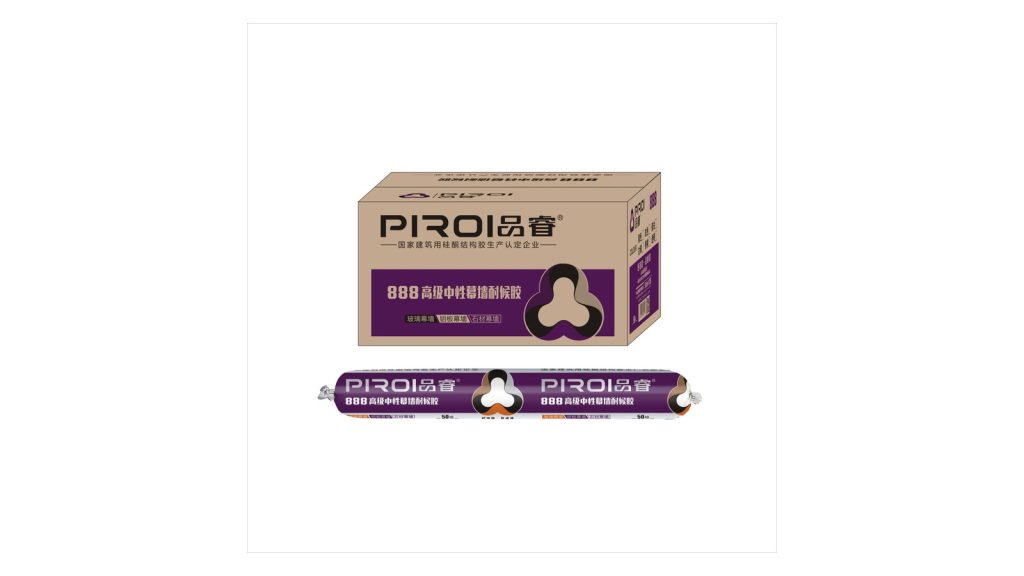 Structural
Neutral Structural Silicone Sealant for Curtain Wall
One-component neutral cure structural sealant for glass, aluminum panel and terracotta curtain walls. Excellent mechanical properties and weather resistance.
View DetailsMOQ, Lead Time & Private Label
Installation Protocol for Structural Glazing
Confirm the Structural Calculation
Joint width, bead depth and bite come from the project structural calculation, not from site measurement. Get those figures before ordering any material.
Adhesion Test on the Actual Substrates
Run a peel test on the exact glass, profile and coating used on site. Clean separation means the surface preparation or primer is wrong; tearing inside the sealant is the result you want.
Surface Preparation
Clean with a compatible solvent and clean, lint-free cloths. Handle cleaned profiles by the edge only — finger oil is enough to break the bond line.
Apply and Tool
Apply in one continuous bead with positive pressure, then tool it before skin forms. Never rework the surface after skinning has started.
Cure Before Load
Allow full cure before applying load or running the field adhesion test. Cure time depends on bead thickness, temperature and humidity — a thick bead in cool weather can stay soft inside for days.
FAQs — Structural Glazing
What is the difference between structural silicone and weatherseal silicone?
Structural silicone transfers wind load from the glass into the frame and is part of the structural design. Weatherseal silicone keeps water out of the perimeter joint and carries no load. A curtain wall usually uses both, in different positions, and the two must be chemically compatible with each other.
Can we use the same sealant for structural bonding and weathersealing?
No. They are specified against different standards and different test regimes. Using a weatherseal product structurally, or a structural product where a low-modulus weatherseal is needed, is a common and expensive mistake.
How long before we can run the field adhesion test?
Only after the bead has fully cured. Cure time depends on bead thickness, temperature and humidity — a thick bead in cool, dry weather can stay soft inside for days. Tell us your site conditions and we will give you a realistic figure.
Do you supply tensile and shear data for submittals?
Yes. GB 16776-2025 tensile adhesion strength is 0.85 MPa against a 0.60 MPa minimum, elongation at maximum tensile strength is 205%, and shear strength is 0.89 MPa. We send the full test report on request.
Is the sealant compatible with anodised aluminium and coated profiles?
Yes — it is neutral cure, so no acetic acid is released to attack anodised surfaces or laminated glass interlayers. Adhesion still has to be confirmed on the actual coating used on your project.
What is a glazing joint sealant and how is it different from a weatherseal?
A glazing joint sealant sits inside an engineered structural glazing system and carries part of the wind load from the glass into the frame, so it is specified, tested and documented as a structural component. A weatherseal sits in the perimeter joint and only keeps water out. Confusing the two is the most expensive mistake on a facade. Tell us which position you are sealing and we will send the matching grade.
Which PIROI product should be used for glazing work?
For structural glazing use PR-999, a one-component neutral cure structural silicone manufactured to GB 16776-2025. For the perimeter weatherseal on the same project use PR-666 or PR-638. All three are neutral cure, so they will not etch anodised aluminium or laminated glass interlayers. Send us your joint detail and we will confirm the grade before you order.
Is there a caulk for window glazing that can carry load?
No. A caulk for window glazing is a perimeter weatherseal product and carries no structural load. Where the joint has to transfer wind load — structural glazing, glass fins, overhead glass — you need a structural silicone specified inside an engineered system instead. PIROI supplies both categories, and if your facade needs two chemistries we send matched pairs so they stay compatible.
What sealant do you recommend for glass to metal joints?
Neutral cure, every time. Glass to metal joints are exactly where acid cure does its damage: the acetic acid released during cure attacks anodised and powder-coated aluminium surfaces. PR-999 for the structural bond to GB 16776-2025, and PR-666 or PR-638 for the perimeter joint. We can run an adhesion test on your actual frame finish before you commit to the project.
Can the same product be used for window glazing and for curtain wall?
Not necessarily. Window glazing joints are generally smaller, drier and see less movement than a curtain wall grid, so a window-grade sealant is often sufficient. A curtain wall needs a defined movement class and, in the structural position, a structural silicone. If the joint sits on the curtain wall grid, specify the facade grade — PR-999 structural plus PR-666 or PR-638 weatherseal.
What makes a glass and metal sealant safe on both substrates at once?
It has to bond to two very different surfaces and corrode neither. Our glass and metal sealants are neutral cure, so no acetic acid is released to attack the metal finish or the glass interlayer. Adhesion still has to be confirmed on the actual coating and glass type on your project — send us samples of both and we will report the result.
Do you supply a glass to metal silicone sealant with test data?
Yes. PR-999 is tested to GB 16776-2025: tensile adhesion strength 0.85 MPa against a 0.60 MPa minimum, elongation at maximum tensile strength 205%, and shear strength 0.89 MPa. We send the full test report with the submittal package. Neutral cure, so it is safe on anodised and coated aluminium frames.
How long does a glass and metal silicone sealant take to cure before testing?
Only run the field adhesion test after the bead has fully cured. Cure time depends on bead thickness, temperature and humidity — a thick bead in cool, dry weather can stay soft inside for days. Give us your site conditions and joint width and we will give you a realistic figure rather than a catalogue number.
Why does butt glazing trap air bubbles in the silicone joint?
Four causes account for most of it: pushing the nozzle instead of pulling it folds air into the bead; laying the bead faster than the sealant can flow leaves voids behind the nozzle; a butt joint with no backer rod has no depth control so thickness varies; and tooling either before the skin forms or after it has skinned damages the surface. Where a void has already formed in a cured structural bead, cut out the affected section to sound sealant and re-gun it rather than injecting into the void.
Should structural silicone bonding be done on site or off site?
Off-site bonding in a factory is preferred wherever transport allows, because substrate preparation and cure conditions are both controllable there and neither is controllable on a scaffold. Where field bonding is unavoidable, require a test panel bonded on site under the same conditions before production bonding begins. Both routes use the same grade: PR-999 to GB 16776-2025.
Need pricing or a sample for Structural Glazing?
Tell us your substrate, joint dimensions and target market. We will come back with pricing, sample arrangements and the technical data sheet.
- Free adhesion & staining test on your own substrate sample
- OEM & private label from 1,000 pcs
- Typical lead time 15–25 days