
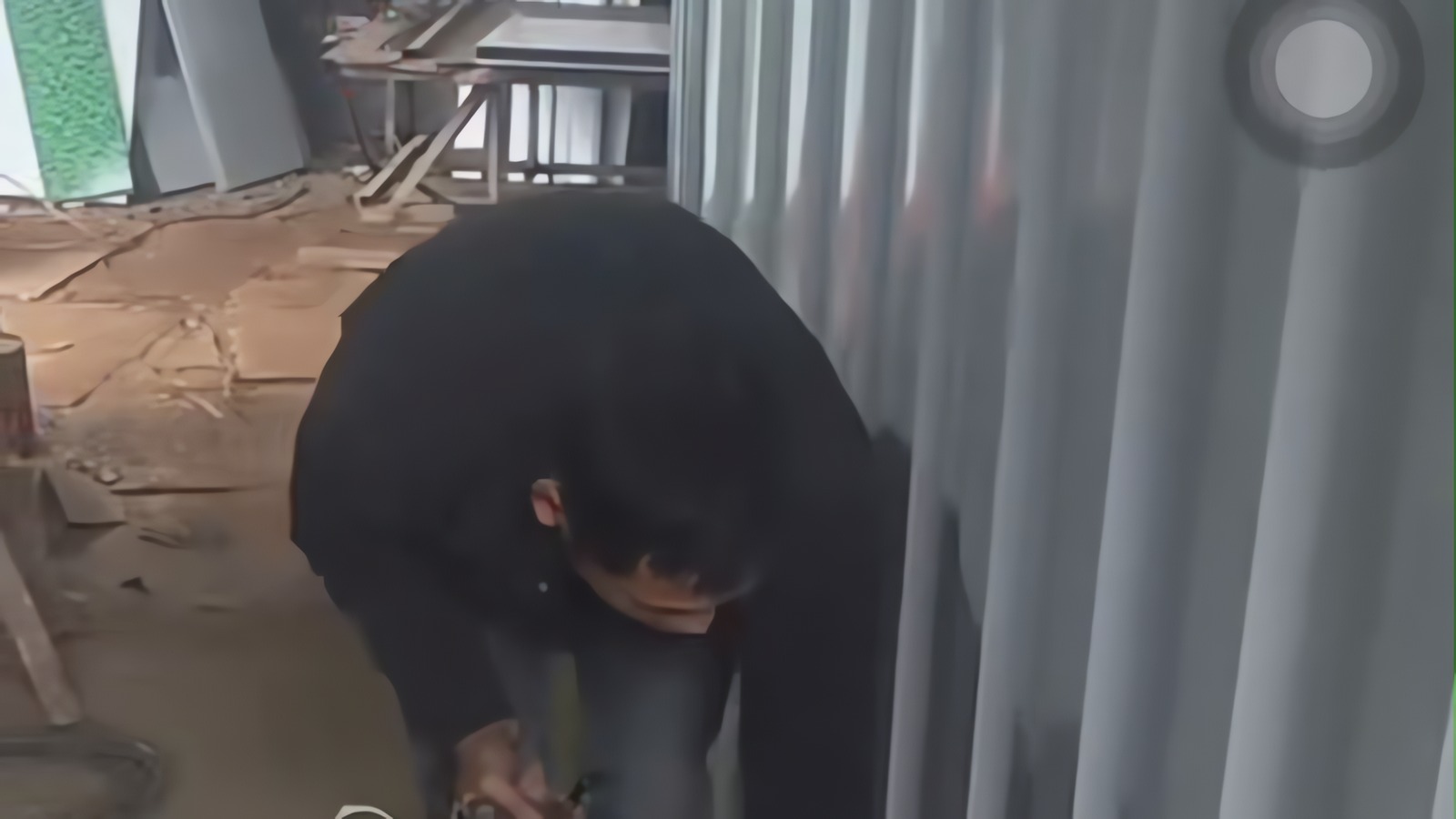
Silicone Sealant for Bus and Coach Body Assembly
A bus body is a large, thin-gauge metal structure that flexes constantly in service. Body panel joints must be sealed fast enough for the production line, and stay sealed through years of vibration, weather and washdown.
What a Bus Body Does to a Sealant
Body-on-frame vehicles flex in a way that building structures never do. A joint that works on a building may crack on a bus within a year.
- Continuous Structural Flex: A bus body flexes over every road irregularity. The sealant must absorb that movement permanently without cracking.
- Production Line Cure Speed: Body assembly lines cannot wait hours for a sealant to skin. Cure time directly limits line throughput.
- Frequent Pressure Washdown: Fleet operators pressure-wash vehicles regularly, which drives water into any joint that has lost adhesion.
How PIROI Solves It
Fast cure for the production line, with the movement capability and adhesion durability to survive years of road vibration and washdown.
- Fast Cure: Rapid skin formation and early green strength matched to body assembly line takt time.
- Vibration Durable: High movement capability absorbs continuous body flex without cracking at the joint.
- Washdown Resistant: Holds adhesion through repeated pressure washing and weather exposure.
- Related technical guides: silicone sealant batch quality control, silicone sealant rfq to sample approval, chinese vs astm sealant standards test report — each covers the engineering behind the grade you are specifying.
A bus body flexes in a way a building never does, so a joint that works on a building can crack on a vehicle within a year. Cure speed is also a production parameter — a sealant that needs hours to skin will limit your line rate. Tell us your takt time and we will match the product to it.
Bus, Coach & Commercial Vehicle — Critical Engineering Parameters
Fast Cure
Rapid skin formation and early green strength for body assembly line throughput.
Body Flex
Absorbs continuous structural flex over road irregularities without cracking the joint.
Washdown Resistant
Holds adhesion through repeated pressure washing and detergent exposure.
Coated Metal Adhesion
Bonds to galvanized steel, aluminium and painted body panels without a primer.
Sealants for Bus, Coach & Commercial Vehicle
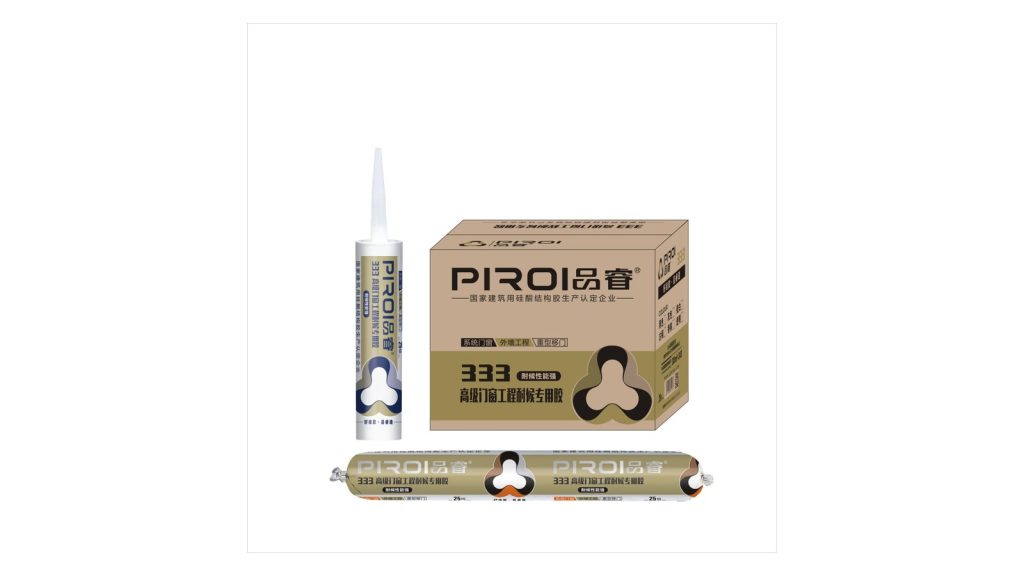 Weatherproof
 Window and Door Sealant
Weatherproof window and door sealant for frame fabrication — durable seal, excellent adhesion, long-term outdoor performance.
View Details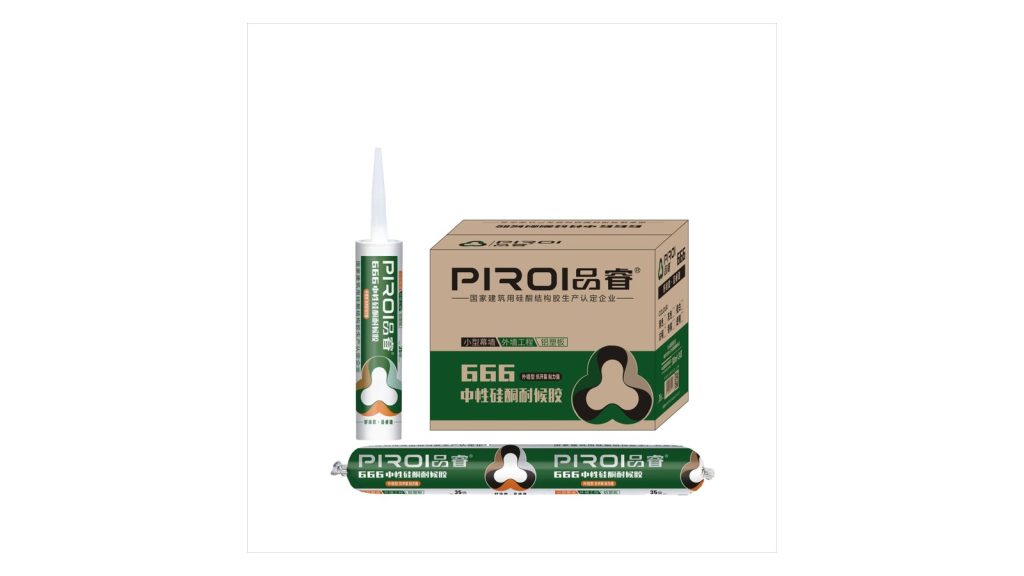 Weatherproof
Neutral Silicone Sealant — Weatherproof Grade
Neutral silicone sealant for interior and exterior joints — weatherproof, high strength, suitable for curtain wall and general sealing.
View DetailsMOQ, Lead Time & Private Label
Installation Protocol for Bus, Coach & Commercial Vehicle
Confirm Line Takt Time
Determine how long the sealant has before the body moves to the next station. This sets the required cure speed.
Degrease Panels
Body panels carry forming oils and protective coatings. Degrease with isopropanol before sealing.
Apply to Body Joints
Seal roof, side panel and floor joints. Use a continuous bead with positive pressure to ensure full wet-out.
Seal Window and Door Perimeters
These joints see the most movement and the most water. Give them the widest movement allowance.
Cure Before Paint or Wash
Allow full cure before the body enters the paint shop or the wash line.
FAQs — Bus, Coach & Commercial Vehicle
How fast does the sealant cure for a production line?
Tack-free time is around 0.2 hours for our fast cure product, which is what keeps the line moving. Full cure takes longer, but parts can be handled once the skin has formed.
Will the joint survive continuous body flex?
That is the main requirement. Class 25 and Class 50 products absorb continuous flexing without cracking, which is what separates a vehicle sealant from a general construction one.
Does pressure washing damage the joint?
Repeated pressure washing drives water into any joint that has lost adhesion, and fleet vehicles are washed frequently. Adhesion has to be right from the start: once water gets behind the bead, the joint fails progressively.
Can the sealant be painted over?
Check before ordering. Some formulations are paintable and others are not, and on a body line the paint schedule may not allow a long cure window first.
Which joints should be sealed first?
Body panel joints first, then window and door perimeters. Sealing the perimeters before the panels means panel movement can open the perimeter joint.
Is this sealant approved for automotive use?
Our fast cure vehicle sealant is formulated for automotive use on body panel joints and window and door perimeters, with tack-free time around 0.2 hours to keep a production line moving. Class 25 and Class 50 options absorb continuous flexing without cracking. Send us your paint schedule and cure window and we will confirm whether the paintable grade fits.
Need pricing or a sample for Bus, Coach & Commercial Vehicle?
Tell us your substrate, joint dimensions and target market. We will come back with pricing, sample arrangements and the technical data sheet.
- Free adhesion & staining test on your own substrate sample
- OEM & private label from 1,000 pcs
- Typical lead time 15–25 days