
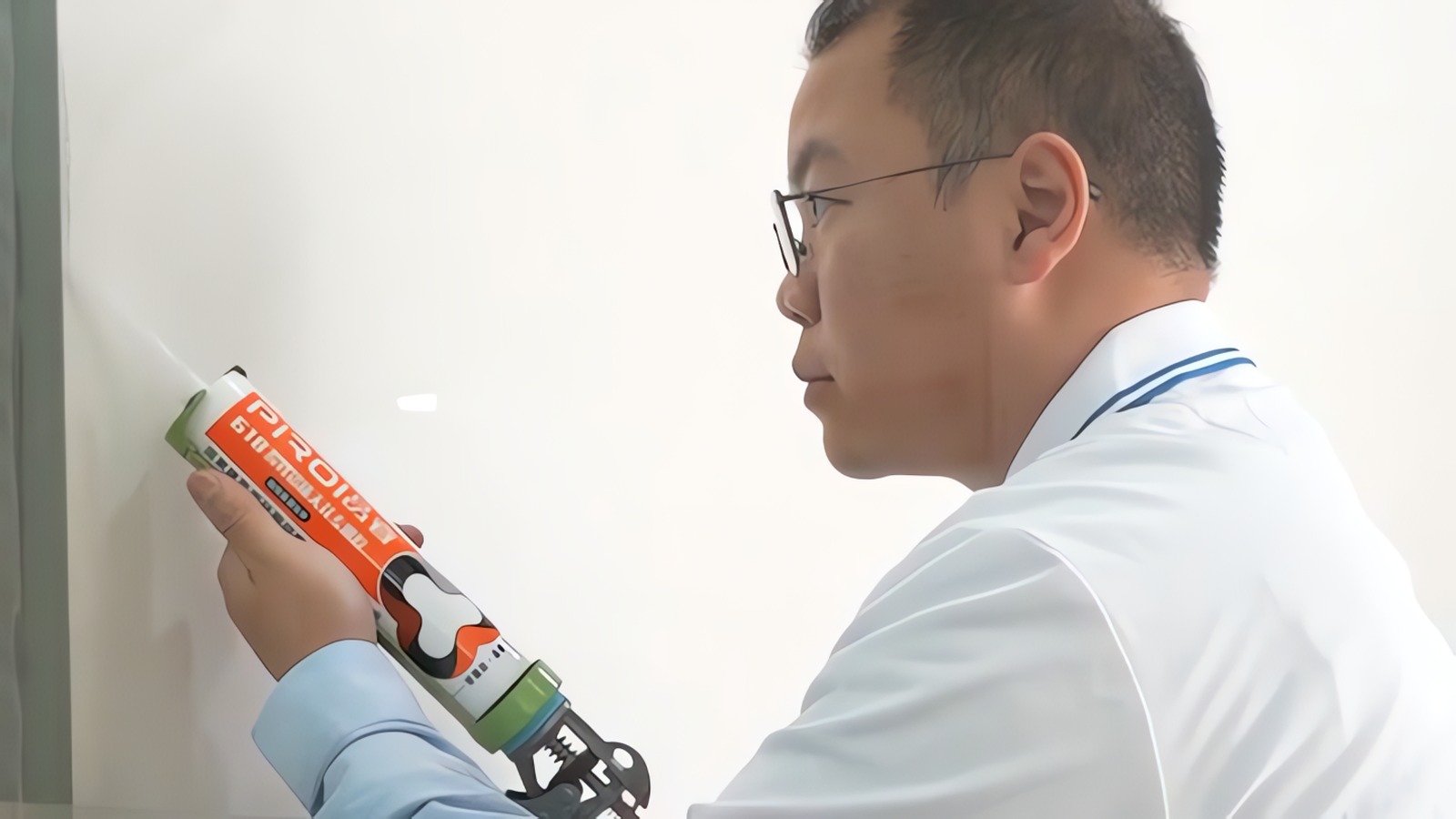
Silicone Sealant for Natural Stone, Marble and Engineered Surfaces
Natural stone is porous. A conventional sealant containing migrating plasticizer will bleed that liquid into the stone around the joint, producing a permanent dark halo that no amount of cleaning removes. Stone requires a formulation tested specifically for staining before it is specified.
The Staining Problem Nobody Checks For
Stone staining from sealant is irreversible. Once plasticizer has migrated into a porous granite or limestone surface, the only remedy is to cut out and replace the stone.
- Plasticizer Migration: The most common cause of permanent staining around stone joints. Low-cost sealants use migrating plasticizers that wick into the stone capillaries.
- Surface Chemistry Variation: Calcareous stones (marble, limestone) and siliceous stones (granite, quartzite) have very different surface chemistry — one adhesion package will not suit both.
- Heat and Sun Exposure: Dark stone in direct sun reaches much higher surface temperatures than ambient air, accelerating any chemical migration and stressing the sealant.
How PIROI Solves It
Non-migrating plasticizer system, stain-tested on granite and marble, with an adhesion package that suits both calcareous and siliceous stone.
- Non-Migrating Formulation: No plasticizer bleed — no dark halo on porous granite, marble or engineered stone.
- Stain Tested: Evaluated using ASTM C1248 staining methodology before release for stone specification.
- Both Stone Types: Adhesion verified on calcareous (marble, limestone) and siliceous (granite, quartzite) surfaces.
- Related technical guides: glass and glazing sealant how to choose, silicone sealant joint failure modes repair, chinese vs astm sealant standards test report — each covers the engineering behind the grade you are specifying.
Stone staining from sealant is permanent. Once a migrating plasticizer has wicked into porous granite or limestone, the only remedy is to cut out and replace the stone. Always run a stain test on an offcut from the actual slab you are installing — stone from the same quarry varies between batches.
Natural Stone & Marble — Critical Engineering Parameters
No Plasticizer Migration
Non-migrating formulation — no dark staining halo on porous granite, marble or engineered stone.
Both Stone Chemistries
Adhesion verified on calcareous (marble, limestone) and siliceous (granite, quartzite) surfaces.
High Surface Temperature
Stable when dark stone reaches surface temperatures well above ambient air temperature in direct sun.
Weatherproofing
Resists rain and UV on exterior stone cladding without losing adhesion or discoloring.
Sealants for Natural Stone & Marble
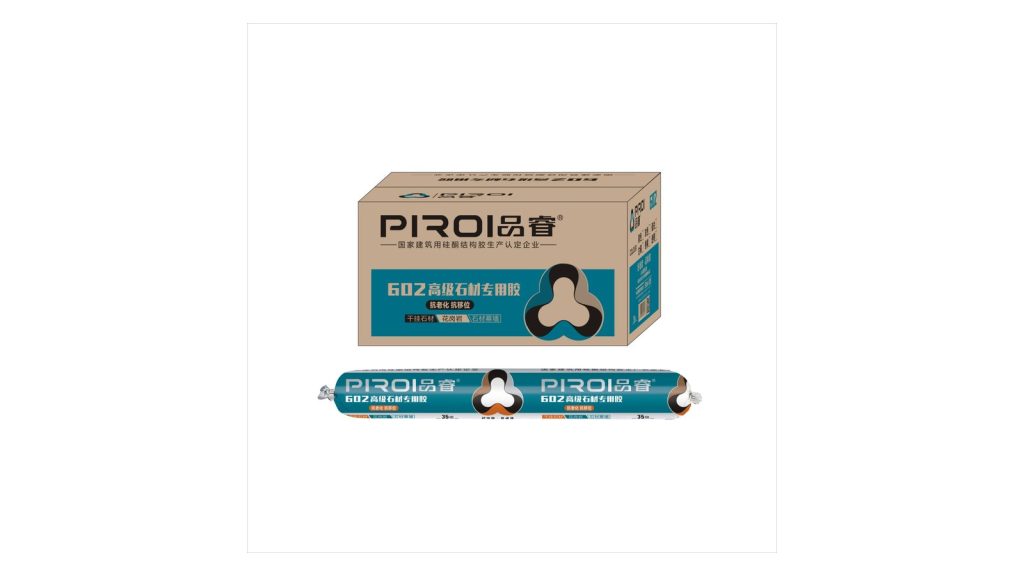 Stone
Premium Stone Silicone Sealant
Specialised sealant for natural stone and stone cladding. Non-staining formula with 92% elastic recovery to protect stone facades from permanent soiling.
View DetailsMOQ, Lead Time & Private Label
Installation Protocol for Natural Stone & Marble
Identify the Stone Type
Confirm whether the stone is calcareous or siliceous. This determines the correct adhesion package — do not assume.
Stain Test on Offcut
Run a stain test on a spare stone offcut before full application. This takes 24–48 hours and is the only reliable way to confirm compatibility.
Clean and Dry the Joint
Stone dust in the joint prevents adhesion. Clean with a stone-safe solvent and allow to dry fully.
Backer Rod
Closed-cell polyethylene backer rod, sized approximately 25% larger than joint width, set to control sealant depth.
Apply and Protect
Tool immediately. Protect adjacent stone from excess sealant — removal from porous stone after cure is difficult.
FAQs — Natural Stone & Marble
What actually causes the dark halo around stone joints?
Plasticizer migration. Low-cost sealants use plasticizers that stay mobile and wick into the porous stone beside the joint. Because it ends up inside the stone rather than on the surface, it cannot be cleaned off.
How do we know a sealant will not stain our stone?
Run a stain test on an offcut from the actual slab you are installing. Quarried stone varies between batches, so a test on a different slab is not conclusive. We supply free test material for this.
Does the stone type matter?
Yes. Calcareous stones such as marble and limestone behave differently from siliceous stones such as granite and quartzite. Adhesion is verified on both types, but the test on your own stone is what counts.
Dark stone gets very hot in direct sun — is that a problem?
It can accelerate chemical migration, which is another reason to use a non-migrating formulation. Surface temperature on dark stone in direct sun is far above ambient air temperature.
Can we use an acetoxy sealant on marble?
No. Marble is calcareous, so acid release etches the surface. Neutral cure is required for natural stone.
Need pricing or a sample for Natural Stone & Marble?
Tell us your substrate, joint dimensions and target market. We will come back with pricing, sample arrangements and the technical data sheet.
- Free adhesion & staining test on your own substrate sample
- OEM & private label from 1,000 pcs
- Typical lead time 15–25 days