
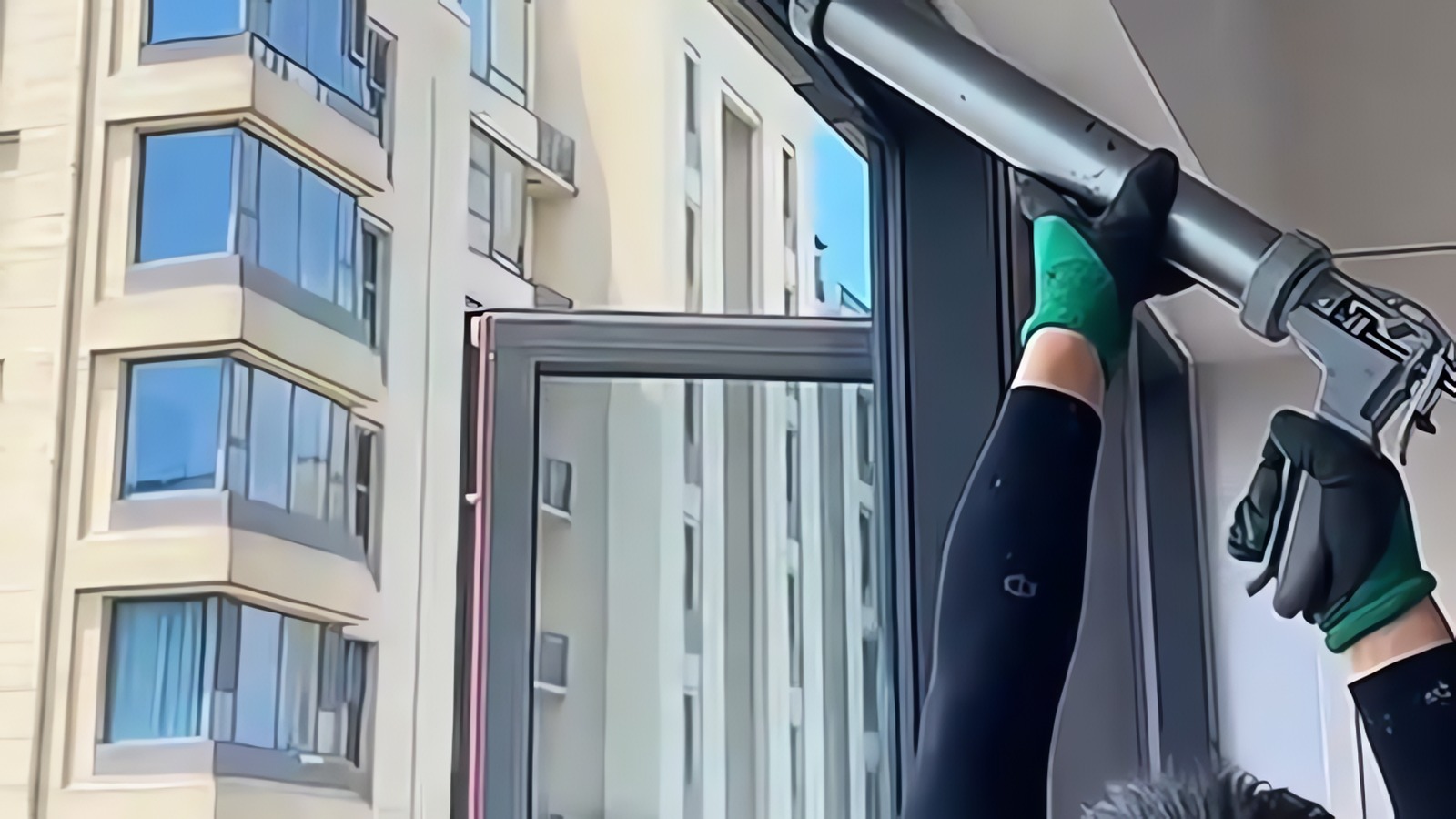
Facade Silicone Sealant for Curtain Wall & Cladding Systems
Two sealants carry every curtain wall: structural silicone that transfers wind load from glass to mullion, and weatherseal silicone that keeps water out of the perimeter joint. Specifying the wrong chemistry in either position is the most common cause of premature facade failure.
Why Curtain Wall Joints Fail Early
A curtain wall joint is asked to do two contradictory things at once: hold rigidly enough to transfer wind load, and flex enough to absorb daily thermal movement. Most failures trace back to a design or chemistry decision made before any sealant was ordered.
- Three-Sided Adhesion: When the sealant bonds to the joint base as well as both side walls, it cannot flex into the required hourglass shape and tears internally within one or two seasonal cycles.
- Acid Cure on Anodized Aluminium: Acetoxy sealants release acetic acid while curing, which etches anodized mullions and attacks laminated glass interlayers. Neutral cure is mandatory in this position.
- Undersized Movement Joints: A 12 mm joint specified "because the last project used 12 mm" will fail on a 3 m aluminium panel seeing a 50 K swing, which needs roughly 17 mm.
How PIROI Solves It
We supply matched structural and weatherseal products so the two sealants in one facade are chemically compatible, plus the test data a specifying engineer needs to sign off.
- Matched Structural + Weatherseal Pairing: Both positions drawn from the same formulation family, so there is no risk of incompatible cure chemistry in adjacent joints.
- Neutral Cure Throughout: No acetic acid release — safe on anodized aluminium, concrete, mortar and laminated glass interlayers.
- Class 25 and Class 50 Options: Movement capability matched to the calculated joint demand, rather than defaulting to the highest class and paying for capacity the joint will never use.
- Related technical guides: curtain wall silicone sealant supplier, structural silicone sealant curtain wall test report, structural vs weatherseal silicone sealant — each covers the engineering behind the grade you are specifying.
Structural silicone and weatherseal silicone are two different product categories, and one cannot be substituted for the other. Structural silicone carries wind load and must be specified inside an engineered system; weatherseal silicone only keeps water out of the perimeter joint. Tell us which position you are sealing and we will send the matching product rather than a general-purpose substitute.
Curtain Wall & Facade — Critical Engineering Parameters
Structural Load Transfer
High-modulus formulations certified to GB 16776-2025 transfer dynamic wind load to the supporting mullion without micro-tearing.
Movement Accommodation
Class 25 (±25%) and Class 50 (±50%) options absorb inter-storey drift and thermal expansion per ASTM C920.
Weather & UV Resistance
Tested against sustained 85%+ humidity, 35°C+ ambient and continuous UV exposure with zero chalking or reversion.
Substrate Compatibility
Primerless adhesion to glass, anodized aluminium, aluminium composite panel, terracotta and concrete.
Sealants for Curtain Wall & Facade
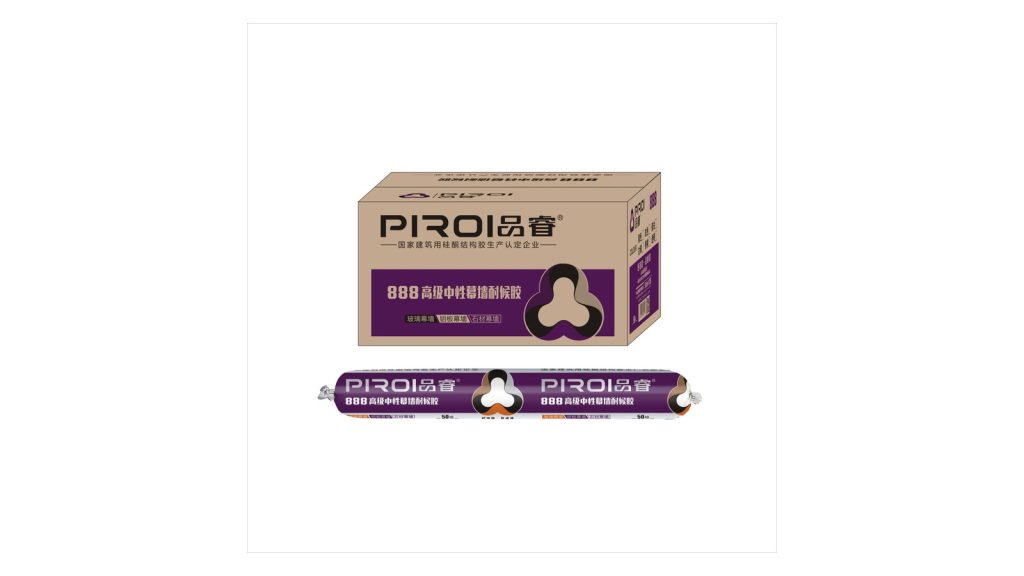 Structural
Neutral Structural Silicone Sealant for Curtain Wall
One-component neutral cure structural sealant for glass, aluminum panel and terracotta curtain walls. Excellent mechanical properties and weather resistance.
View Details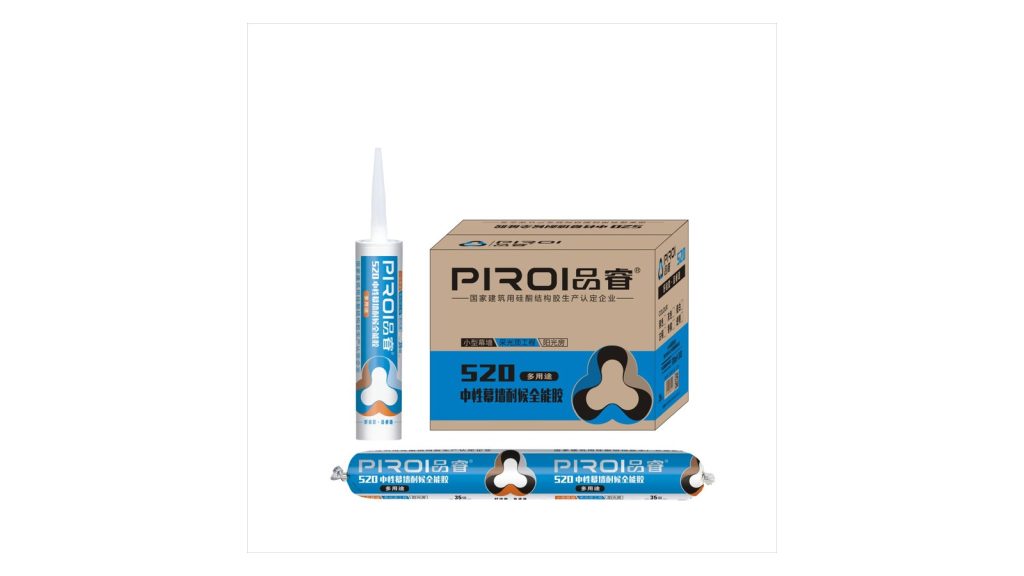 Curtain Wall
All-Round Neutral Curtain Wall Sealant
High-modulus all-round sealant for curtain wall and facade joints. The highest extrusion rate in our range — 543 mL/min for maximum on-site productivity.
View Details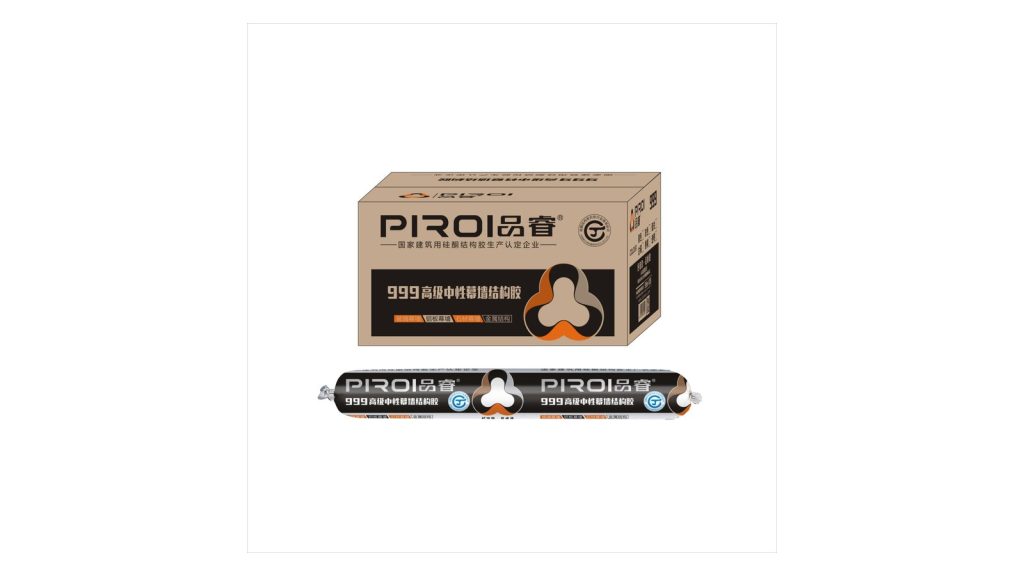 Premium
 Neutral Curtain Wall Weatherproof Sealant
Top-tier weatherproof sealant passing all three durability adhesion tests — maintained extension, after water immersion, and after cold-draw hot-compression cycling.
View DetailsMOQ, Lead Time & Private Label
Installation Protocol for Curtain Wall & Facade
Substrate Cleaning
Use the two-cloth method with isopropanol (IPA). Wipe dry before the solvent flashes off — contaminated bond faces are the leading cause of adhesive failure.
Joint Dimensioning
Calculate required width from panel length, coefficient of thermal expansion and temperature range. Insert closed-cell polyethylene backer rod at roughly 25% larger than joint width.
Masking
Apply masking tape along both joint edges to keep the bond line crisp and prevent contamination of finished surfaces.
Sealant Application
Apply with positive pressure to fill the joint and wet out both bond faces. Tool immediately with a compatible tooling agent before skin forms.
Cure & Inspection
Allow 14–21 days for full cure on a typical 6 mm section before load-bearing service. Inspect for voids, three-sided adhesion and surface defects.
FAQs — Curtain Wall & Facade
What is the difference between structural silicone and weatherseal silicone?
Structural silicone transfers wind load from the glass into the frame and forms part of the structural design. Weatherseal silicone keeps water out of the perimeter joint and carries no load. A curtain wall normally uses both, in different positions, and the two must be chemically compatible with each other.
Can we use one sealant for both positions?
No. They are specified against different standards and tested differently. Using a weatherseal product structurally, or a structural product where a low-modulus weatherseal is needed, is a common and expensive mistake.
Is the sealant safe on anodized aluminium?
Yes. Our curtain wall products are neutral cure, so no acetic acid is released to etch anodized surfaces or attack laminated glass interlayers. Adhesion still has to be confirmed on the actual coating used on your project.
What movement class should we specify?
Size the joint from the panel length, coefficient of thermal expansion and the temperature range on site, not from what the last project used. We offer Class 25 and Class 50 options and can help you work out which one the calculation actually requires.
Can you supply tensile and shear data for submittals?
Yes. PR-999 is tested to GB 16776-2025: tensile adhesion strength 0.85 MPa against a 0.60 MPa minimum, elongation at maximum tensile strength 205%, and shear strength 0.89 MPa. The full test report is available on request.
What is a facade silicone sealant used for?
A facade silicone sealant seals the perimeter joints of a curtain wall, cladding or rainscreen system. It keeps rain and air out of the joint while absorbing the thermal movement between panels. Facade work usually needs two different products: a structural silicone that transfers wind load from the glass into the mullion, and a weatherseal facade silicone for the perimeter joint. PIROI supplies both — PR-999 for structural glazing and PR-666 or PR-638 for the facade weatherseal.
Which silicone sealant should I use for an aluminium curtain wall?
For the structural joint, use PR-999 to GB 16776-2025. For the facade weatherseal joint on aluminium curtain wall, use a neutral cure weatherseal such as PR-666 for standard projects, or PR-638 where UV and weather aging resistance is the priority. All three are neutral cure, so they will not etch anodized or powder-coated aluminium.
How do I choose between a facade sealant and a window sealant?
A window and door sealant such as PR-333 is sized for the smaller joints and lower movement of frame-to-wall junctions. A facade sealant is formulated for larger panel joints, a higher movement class and longer UV exposure. If the joint sits on the curtain wall grid, specify the facade grade. If it is a perimeter window or door joint, the window grade is normally sufficient.
Is a building facade sealant the same as a curtain wall sealant?
A building facade sealant is the broader term — it covers any exterior envelope joint, including precast concrete, ACP cladding, stone and brickwork. A curtain wall sealant is the specific case for unitized or stick-system glazed facades, where the joint has to absorb higher movement and carry a defined movement class. The same neutral cure weatherseal product, such as PR-666 or PR-638, is normally used for both; what changes is the joint design and the movement class.
What curtain wall silicone sealant do I need for a stick-system facade?
A curtain wall silicone sealant job is normally two products: PR-999 in the structural position, transferring wind load from glass to mullion, and PR-666 or PR-638 as the weatherseal on the perimeter joint. Both are neutral cure and tested to GB 16776-2025. Tell us your panel size and movement class and we will confirm which combination your calculation actually requires.
Which products are specified for glass curtain wall systems?
For glass curtain wall: PR-999 structural silicone in the load-transferring joint, PR-666 as the standard perimeter weatherseal, or PR-638 where UV and weather aging resistance is the priority. All three are neutral cure and chemically compatible with each other, which matters because a curtain wall usually carries both in one system.
What is the right sealant for aluminum curtain wall framing?
Neutral cure. Acid cure releases acetic acid that etches anodised and powder-coated aluminium, and on an aluminum curtain wall those are the only frame finishes you will meet. Use PR-999 in the structural joint and PR-666 or PR-638 on the perimeter. We can run an adhesion test on your actual frame coating before you order production quantities.
Need pricing or a sample for Curtain Wall & Facade?
Tell us your substrate, joint dimensions and target market. We will come back with pricing, sample arrangements and the technical data sheet.
- Free adhesion & staining test on your own substrate sample
- OEM & private label from 1,000 pcs
- Typical lead time 15–25 days