
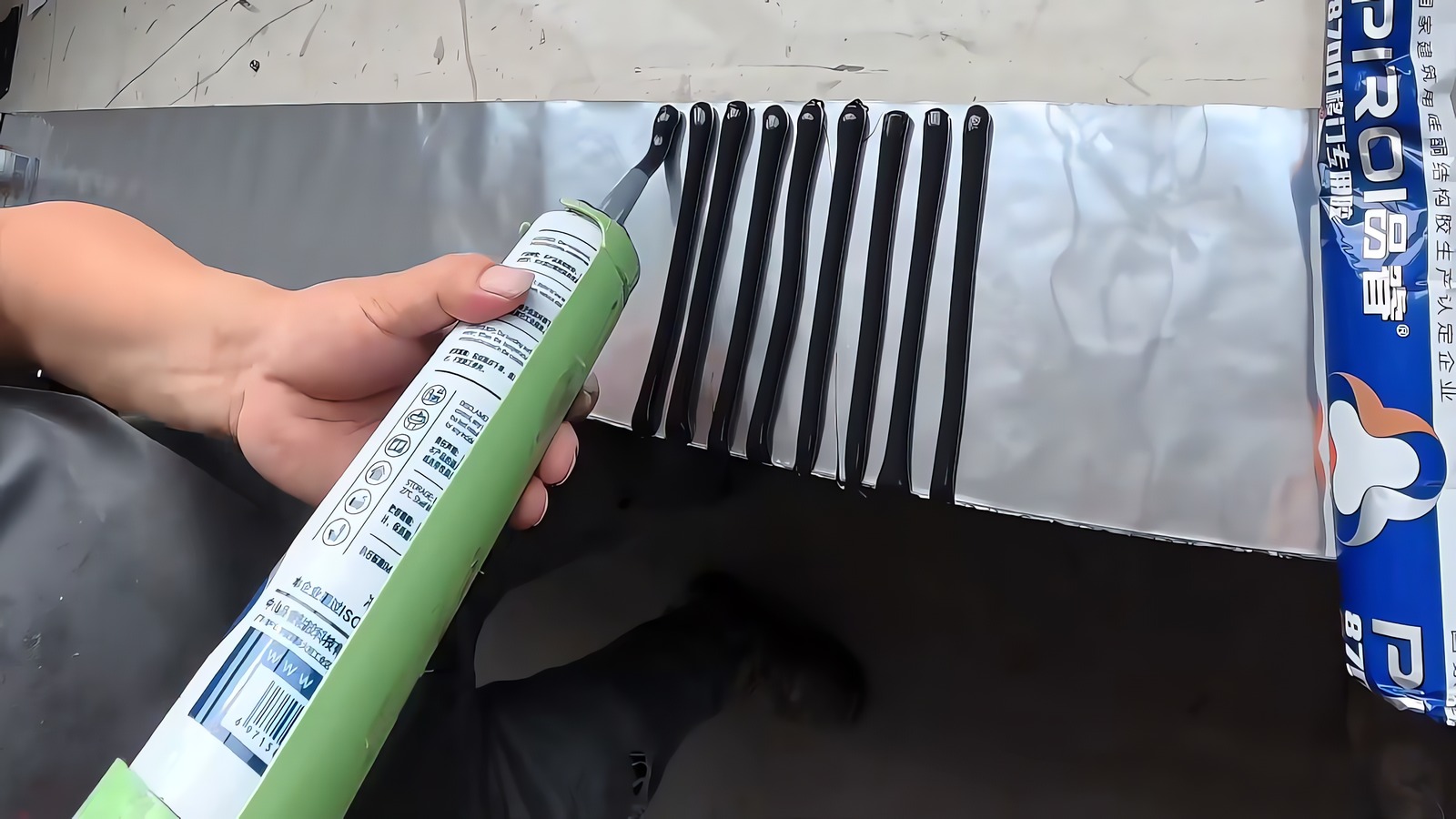
Silicone Sealant for Sliding Door Assembly
Sliding door units are assembled on a line and packed the same shift, so the sealant has to skin fast enough to survive handling without smearing. It also has to stay flexible enough that the panel keeps running freely for years.
Where Sliding Door Assembly Goes Wrong
Sliding door sealant problems are usually handling and movement issues rather than adhesion failures.
- Handling Time Sets Throughput: If the bead is still tacky when the unit is lifted and stacked, it smears, picks up dust and has to be reworked.
- Anodised Aluminium Adhesion: Sliding door profiles are normally anodised. Acid cure sealants etch anodised surfaces, so neutral cure is mandatory here.
- Slump on Vertical and Overhead Joints: Track and frame joints include vertical and overhead runs. A sealant that sags leaves a thin spot at the top.
- Movement Without Sticking: The sealant must stay elastic rather than stiffen, or it transfers stress into the track and the panel stops running smoothly.
How PIROI Solves It
A neutral cure grade specified for sliding door assembly, with the cure speed and output a production line needs.
- 1.2 h Tack-Free: Assembled units can be lifted and stacked without smearing the bead.
- 459 mL/min Extrusion Rate: High enough output that the operator is not waiting on the cartridge.
- Neutral Cure: No acetic acid release — safe on anodised aluminium profiles and the surrounding hardware.
- 0.6 MPa Tensile Modulus: Elastic enough to follow the panel, stiff enough to keep the joint closed.
- Related technical guides: how to apply silicone sealant window door, best practices for window and door construction sealant joint design depth ratio, silicone sealant packaging cartridge sausage drum — each covers the engineering behind the grade you are specifying.
Sliding door failures are usually handling problems, not adhesion problems. If units are being reworked on the line, the sealant is skinning too slowly — tell us your takt time and we will match the cure speed.
Sliding Doors — Critical Engineering Parameters
Fast Skin
1.2 h tack-free, so assembled units can be handled without smearing the bead.
High Output
459 mL/min extrusion rate keeps the line moving — the operator is not waiting on the cartridge.
Neutral Cure
No acetic acid, so anodised aluminium profiles and hardware are not etched or dulled.
No Slump
0 mm sag on vertical and horizontal joints, including overhead runs.
Sealants for Sliding Doors
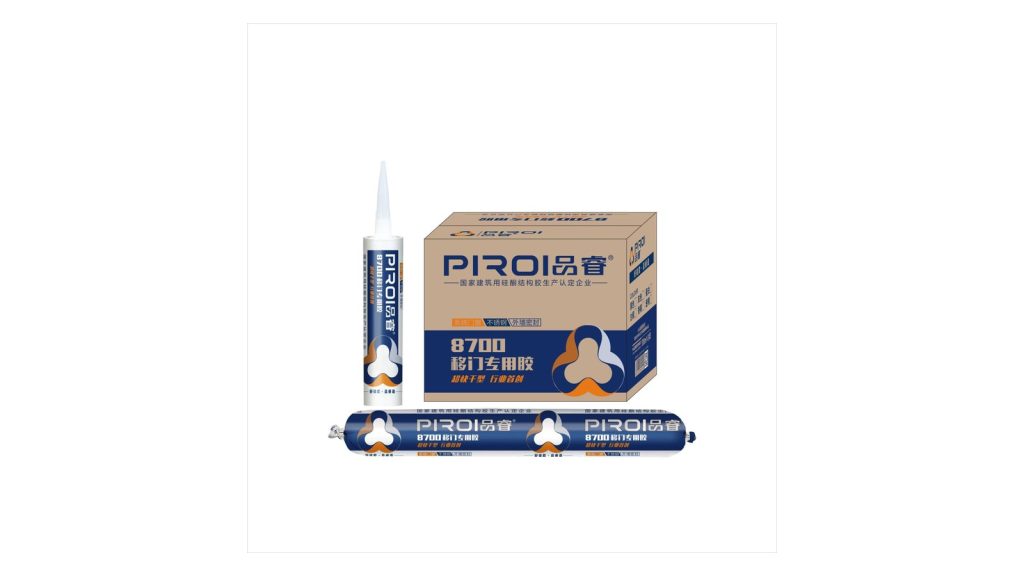 Fast Cure
 Silicone Sealant for Sliding Doors
Smooth operation, fast curing sealant for sliding door assembly. Weatherproof, neutral cure, professional grade for efficient production.
View DetailsMOQ, Lead Time & Private Label
Installation Protocol for Sliding Doors
Confirm the Profile Finish
Anodised, powder-coated and mill-finish aluminium each behave differently. Check before choosing the cleaner.
Clean the Bond Area
Remove machining lubricant and handling oil with a compatible cleaner and clean cloths. Clean the joint faces, not the whole profile.
Install Backer Rod
Closed-cell rod about 25% larger than the joint prevents three-sided adhesion and controls bead depth.
Apply and Tool
One continuous bead, tooled immediately. On overhead runs, work in short sections so the bead does not drip.
Handle Only After Skin Forms
Respect the tack-free time before lifting or stacking. Stacking early is the most common cause of rework on a sliding door line.
FAQs — Sliding Doors
Why does the sealant smear when we stack the units?
The bead has not skinned yet. Either the sealant is too slow for your takt time, or the units are being handled earlier than the tack-free time allows. Tell us your line speed and we will match the cure rate.
Can we use an acid cure sealant on anodised aluminium?
No. Acid cure releases acetic acid while curing, which etches anodised aluminium and can dull the finish. Use neutral cure for any anodised or coated metal profile.
Will the sealant stop the panel sliding smoothly?
Only if it is too stiff, or if it has bonded somewhere it should not. Our sliding door grade has a 0.6 MPa tensile modulus, which follows the panel without transferring stress into the track.
Do you supply sausage packs for a dispensing line?
Yes — 300 mL cartridges and 590 mL foil sausage packs. Sausage packs suit air or electric dispensing equipment on a production line.
What is the MOQ and lead time?
Standard OEM and private label MOQ is 1,000 pcs per model, with mixed-model trial orders from 3,000 pcs total and stock items from 500 pcs. Typical lead time is 15–25 days after artwork and sample approval.
Need pricing or a sample for Sliding Doors?
Tell us your substrate, joint dimensions and target market. We will come back with pricing, sample arrangements and the technical data sheet.
- Free adhesion & staining test on your own substrate sample
- OEM & private label from 1,000 pcs
- Typical lead time 15–25 days