
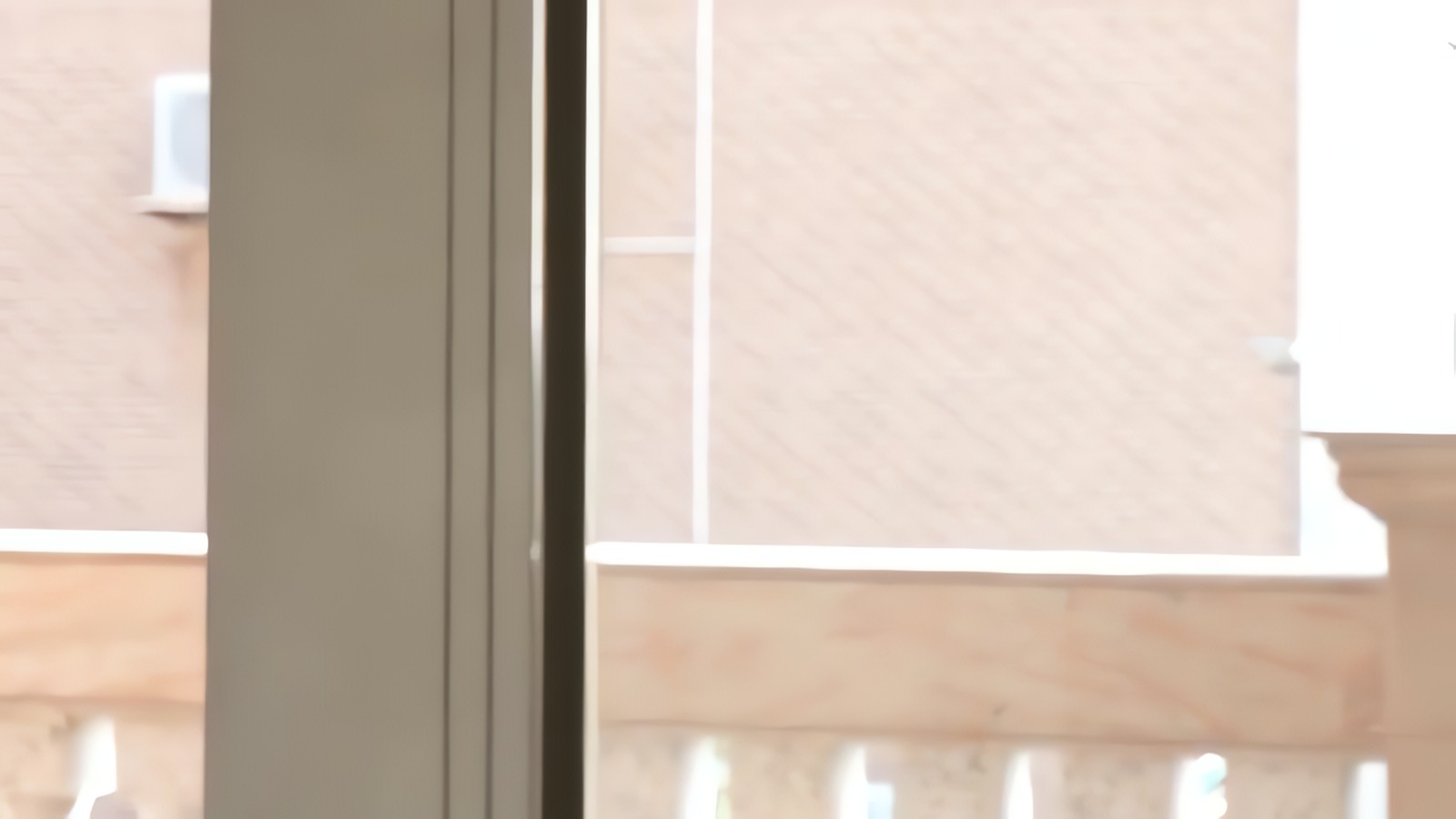
Window Silicone Sealant for Doors, Frames and Perimeter Joints
A window or door joint has to do two jobs at once: keep driving rain out, and absorb the movement between a frame that expands and a wall that does not. It also has to bond to whatever the frame is made of — PVC, aluminium, timber or steel.
What Makes Window & Door Joints Fail
Most window and door sealant failures come from four issues, and none of them is the sealant being defective.
- Frame-to-Wall Movement: The frame and the wall move at different rates. A joint sized for a static gap will crack within the first heating season.
- Mixed Substrates in One Opening: PVC, anodised aluminium, timber and concrete each need different preparation. One cleaner does not suit all four.
- Water and Wind Pressure: Driving rain under wind load finds any break in the bond line. Water tightness is tested, not assumed.
- Production Line Speed: In factory fabrication, cure speed sets throughput. A slow sealant costs more in labour than it saves in material.
How PIROI Solves It
Neutral cure weatherproof silicone for site joints, plus a high-speed grade for factory production lines — both manufactured to GB/T 14683-2017.
- Neutral Cure, GB/T 14683-2017: Safe on anodised aluminium, PVC and concrete. No acetic acid to attack metal or react with substrates.
- 92% Elastic Recovery: PR-333 recovers 92% of its deformation, so joints return to shape instead of creeping open over the years.
- High Extrusion Rate: PR-333 extrudes at 210 mL/min, so a production line keeps its takt time without waiting on the cartridge.
- Fast Cure for Factory Fabrication: PR-8800 is tack-free in 0.8 hours, so assembled units can be handled and packed the same shift.
- Related technical guides: best silicone sealant for windows and doors frame material guide, how to apply silicone sealant window door, best practices for window and door construction sealant joint design depth ratio — each covers the engineering behind the grade you are specifying.
The right choice depends on where the joint is, not only on the frame material. Factory joints need cure speed; site joints need movement capability and weather resistance. Tell us which one you are sealing and we will match the product.
Window & Door Sealing — Critical Engineering Parameters
Weatherproof to GB/T 14683-2017
Tested to the Chinese building sealant standard for weatherproof glazing and frame joints.
Elastic Recovery
PR-333 recovers 92% of its deformation — the property that keeps a joint closed over years of movement.
No Slump
0 mm vertical and horizontal sag, so overhead and side joints stay where they are applied.
Fast Cure Option
PR-8800 is tack-free in 0.8 hours, for factory fabrication lines where handling time matters.
Sealants for Window & Door Sealing
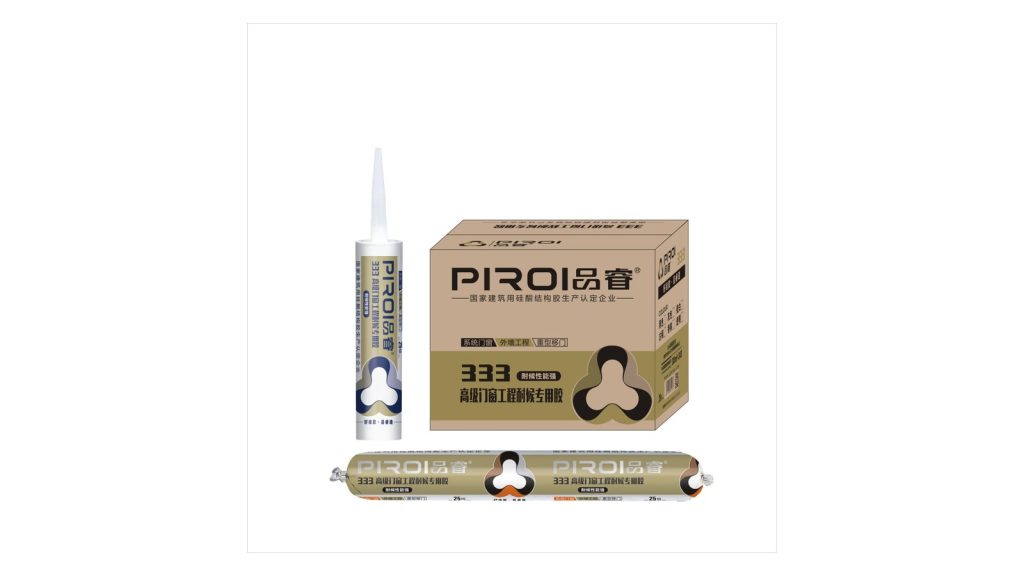 Weatherproof
 Window and Door Sealant
Weatherproof window and door sealant for frame fabrication — durable seal, excellent adhesion, long-term outdoor performance.
View Details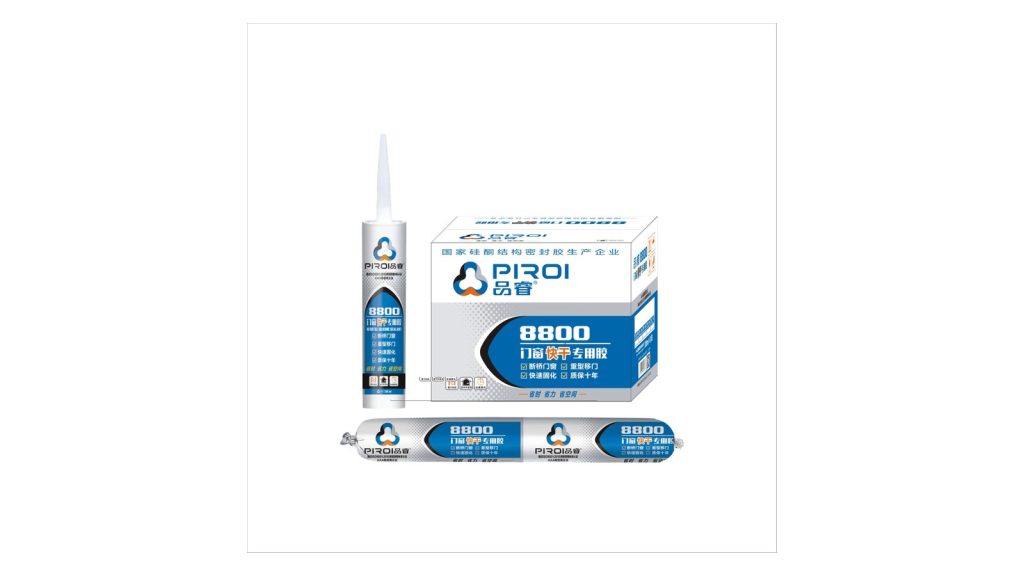 Fast Cure
 Door and Window Silicone Sealant
High-speed curing sealant engineered for door and window production lines. Tack-free in just 0.8 hours — units can be handled and packed the same shift.
View Details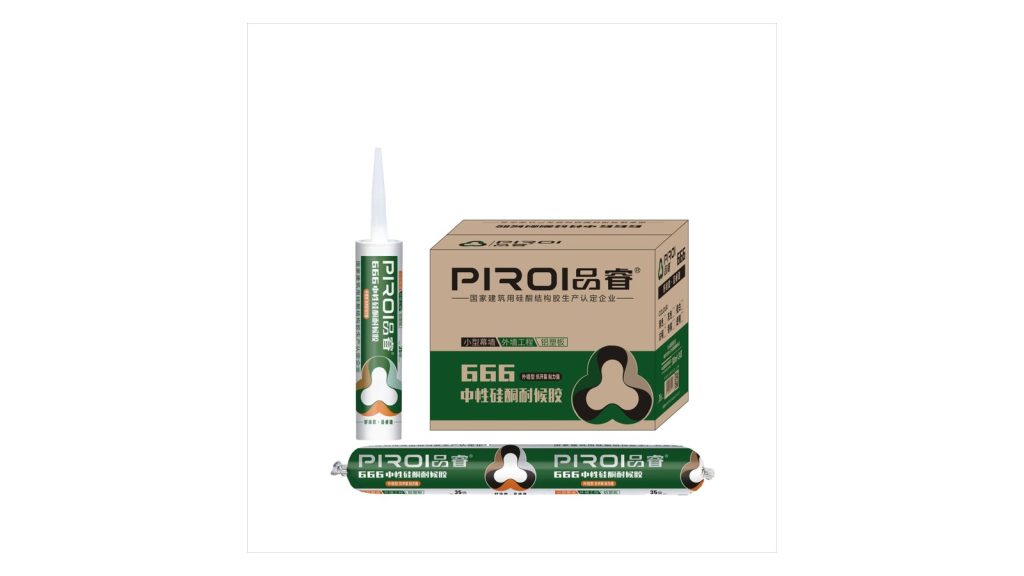 Weatherproof
Neutral Silicone Sealant — Weatherproof Grade
Neutral silicone sealant for interior and exterior joints — weatherproof, high strength, suitable for curtain wall and general sealing.
View Details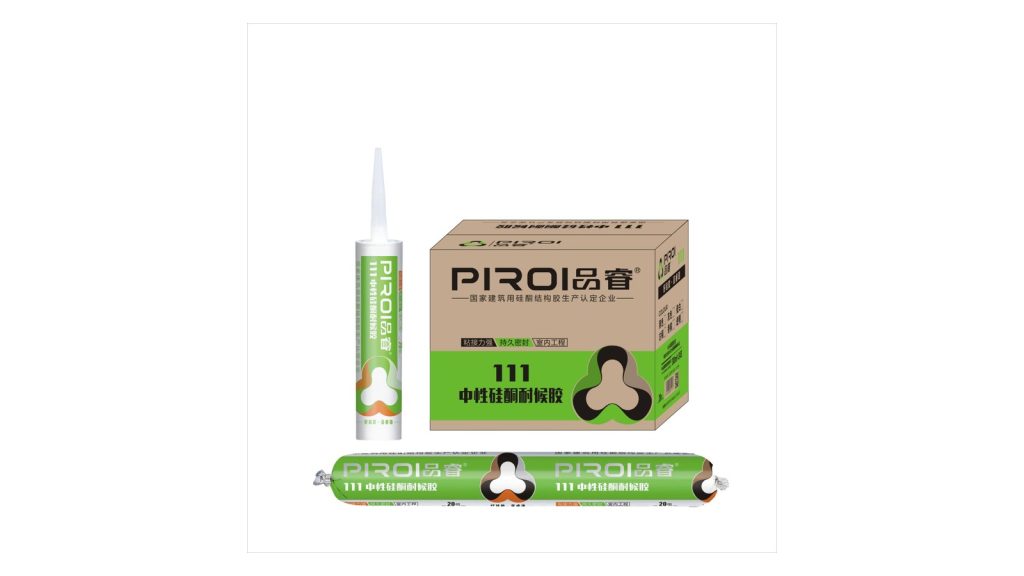 Weatherproof
Neutral Weatherproof Silicone Sealant
General-purpose neutral cure weatherproof sealant for exterior joints. Balanced performance with high extrusion rate for fast, labour-saving application.
View DetailsMOQ, Lead Time & Private Label
Installation Protocol for Window & Door Sealing
Check the Frame and Wall Materials
Identify every substrate in the joint — frame, wall, and any spacer or membrane. Each one may need different preparation.
Size the Joint from Movement
Calculate movement from frame length and the local temperature range, then size the joint. Do not copy the dimensions from the last project.
Install Backer Rod
Closed-cell polyethylene rod, about 25% larger than the joint, controls bead depth and prevents three-sided adhesion.
Apply and Tool
One continuous bead with positive pressure, tooled against both joint faces before skin forms.
Protect During Cure
Keep the joint dry until it has skinned. Rain or pressure washing during cure is a common cause of early failure.
FAQs — Window & Door Sealing
Which sealant should I use for window and door joints?
Neutral cure weatherproof silicone to GB/T 14683-2017 suits most exterior frame joints. If you are sealing on a factory production line and need units packed the same shift, use a fast-cure grade such as PR-8800, which is tack-free in 0.8 hours.
Can I use one sealant on PVC, aluminium and concrete?
A neutral cure silicone works on all three, but preparation differs. Anodised aluminium, PVC and concrete each need the correct cleaner, and some coated profiles need a primer. Always confirm adhesion on the actual materials used on site.
Why does the sealant around my windows crack after a year?
Usually the joint was sized for the gap rather than for movement, or three-sided adhesion stopped the bead flexing. Both are design issues rather than product faults, and both are avoidable with the right joint geometry.
Do you supply for factory production lines or only for site work?
Both. We supply 300 mL cartridges and 590 mL foil sausage packs, and our fast-cure grades are specified for factory fabrication where handling time sets throughput.
What is the MOQ and lead time?
Standard OEM and private label MOQ is 1,000 pcs per model, with mixed-model trial orders from 3,000 pcs total and stock items from 500 pcs. Typical lead time is 15–25 days after artwork and sample approval.
Is a door silicone sealant different from a window sealant?
No. PR-333 is a window and door silicone sealant, so the same grade covers both. Door joints are usually larger and see more traffic movement than window joints, so size the joint from the actual gap and movement rather than from the last project. If the door is an external, high-exposure unit, PR-638 is the premium alternative.
Is there a silicone sealant for uPVC window frames that also works on aluminium?
Yes. PR-333 is a neutral cure window and door sealant suitable for uPVC, aluminium, timber and concrete. Both uPVC and aluminium are non-porous and expand at a different rate to the wall, so the sealant has to stay elastic and must not release acetic acid. Acetoxy grades must not be used on metal or coated frames.
Is there a difference between a silicone sealant for window frames made of aluminium, uPVC and timber?
No. The joint that matters is between the frame and the wall, not the frame material, so one neutral-cure silicone sealant for window frames covers all three. What changes is preparation: anodised aluminium and uPVC are non-porous and need a cleaner that leaves no residue, while timber needs a dry surface and usually a primer on end grain. PR-333 is the grade we specify, and it is safe on all three.
What about a silicone sealant for uPVC windows specifically?
Same neutral-cure family, different constraint. uPVC is sensitive to solvent-based cleaners and to acetic acid, so for a silicone sealant for uPVC windows use a neutral cure grade, clean with a compatible cleaner, and confirm whether the profile carries a factory coating that needs a primer. We will test adhesion on your actual profile on request.
Does a silicone caulk for wooden windows behave differently from a sealant?
No — a silicone caulk for wooden windows and a silicone sealant for wooden windows are the same product. "Caulk" is the trade word; "sealant" is the specification word. What matters with timber is moisture movement: a green or poorly seasoned frame moves far more than the joint can absorb. Use a lower-modulus neutral grade and size the joint from the movement you expect, not from the gap you measure on the day.
Will a silicone sealant for window glass bond to the pane as well as to the frame?
Yes, and it is the same grade. A silicone sealant for window glass and one for the frame are both neutral cure, but the glass side is the easier bond — glass is smooth, non-porous and chemically stable, so the risk sits at the frame or the wall. For a silicone sealant for window pane repair where the unit is already glazed, confirm the existing sealant is silicone rather than butyl or polysulphide before over-sealing.
What is the right silicone sealant for window gaps that vary in width?
A silicone sealant for window gaps has to handle a joint whose width changes along the run, which is common on older openings where the frame is not square to the wall. Size to the widest point, keep the depth-to-width ratio at about 1:2 with a backer rod, and use a lower-modulus grade where the gap exceeds roughly 12 mm. PR-333 covers this range; beyond it, ask us before specifying.
How should I seal a window sill joint that faces driving rain?
The sill joint sees more water than any other joint in the opening, so it is the one to tool properly. Slope the sill outward, keep the bead in contact with the two faces only — three-sided adhesion stops the bead flexing — and make sure the sill joints run continuously into the vertical joints rather than butting into them. Water finds corners, not straight runs.
What does a silicone sealant for window installation need that a repair does not?
During a silicone sealant for window installation the joint is open, clean and accessible, so the specification can be tighter: full backer rod, controlled depth, and a primer where the substrate calls for one. A repair is the opposite — you are working around an existing bead, and compatibility with what is already in the joint matters more than the ideal geometry.
Can the same tube be an exterior window silicone sealant and an indoor one?
The chemistry can be, the exposure cannot. An exterior window silicone sealant sees UV, driving rain and a wider temperature swing, so it takes the weatherproof grade — PR-638 is the premium option and PR-333 the standard one. For a silicone sealant for windows inside, the constraint is odour rather than weather. Neutral grades cure by one of two leaving groups: an oxime-cure neutral releases a small amount of ketoxime while curing, harmless but noticeable in a closed room, while an alkoxy-cure grade releases alcohol. For occupied interiors, specify a low-odour grade and ask the supplier which leaving group it uses.
Is there a construction window sealant that also works as a glass and window sealant?
A construction window sealant is normally specified as the perimeter weatherseal, while a glass and window sealant may also be doing glazing work inside the rebate. Both are neutral cure, and on aluminium or coated frames both must be non-acidic. If one product has to do both jobs, confirm the cure system on the datasheet before you order — if a supplier cannot tell you the cure system, that is the answer.
What about silicone sealant for aluminum windows and doors?
Aluminium needs a neutral cure because acetic acid attacks the oxide layer, and one grade covers both openings. The difference is joint size rather than chemistry: door joints are usually wider and take more traffic movement, so size them from the actual gap. PR-333 is neutral cure and rated for both.
What does a factory price for aluminium window sealant actually include?
It covers the cartridge, the label and the carton — not the freight, the duty or your local distribution cost. Ask for the price at both packaging formats, 300 mL cartridge and 590 mL sausage, because the per-litre cost differs between them, and ask whether the quote is FOB or CIF. Ours are quoted per model and per packaging format.
Do I need a silicone caulk for windows and doors, or two separate products?
One tube. A silicone caulk for windows and doors is the same neutral-cure product; what differs between a window joint and a door joint is geometry, not chemistry. Door joints are usually wider and take more traffic movement, so size them from the actual gap rather than from the last project. The same holds where a domestic specification reads silicone caulk for window & door — the grade does not change.
What about silicone sealant for glass windows that are already glazed?
In a factory-glazed unit that sealant is usually the secondary seal rather than the weatherseal. If you are re-sealing on site, confirm what is already in the joint, because silicone, butyl and polysulphide behave differently under over-sealing. Where the perimeter detail is a caulk joint at the window frame, the same neutral grade applies to the glass face and the frame face alike.
How should I prepare a frame before applying silicone caulk on windows?
A silicone sealant on window surfaces will not bond to dust, oils or old sealant residue. Clean both faces, abrade non-porous substrates lightly, and confirm the surface is dry before tooling. If you are applying silicone caulk on windows that already carry an acrylic or butyl bead, remove it first — silicone will not bond over either one.
Where does the caulk for a window seal sit, and what does it do?
It is the perimeter bead between frame and wall. It is a weatherseal, not a structural bond: it keeps water out and absorbs movement, and it must never be used to hold the frame in place. The fixings carry the frame; the sealant only seals.
Does one grade cover both a silicone sealant for windows and doors and a silicone caulk for windows?
Yes. A silicone sealant for windows and doors, and a silicone caulk for windows, are the same neutral-cure product — the trade word changes, the chemistry does not. Where a specification lists a window grade and a door grade separately, check whether the difference is real or just naming. Ours is one grade: PR-333 for site work, PR-8800 where cure speed sets throughput.
Need pricing or a sample for Window & Door Sealing?
Tell us your substrate, joint dimensions and target market. We will come back with pricing, sample arrangements and the technical data sheet.
- Free adhesion & staining test on your own substrate sample
- OEM & private label from 1,000 pcs
- Typical lead time 15–25 days