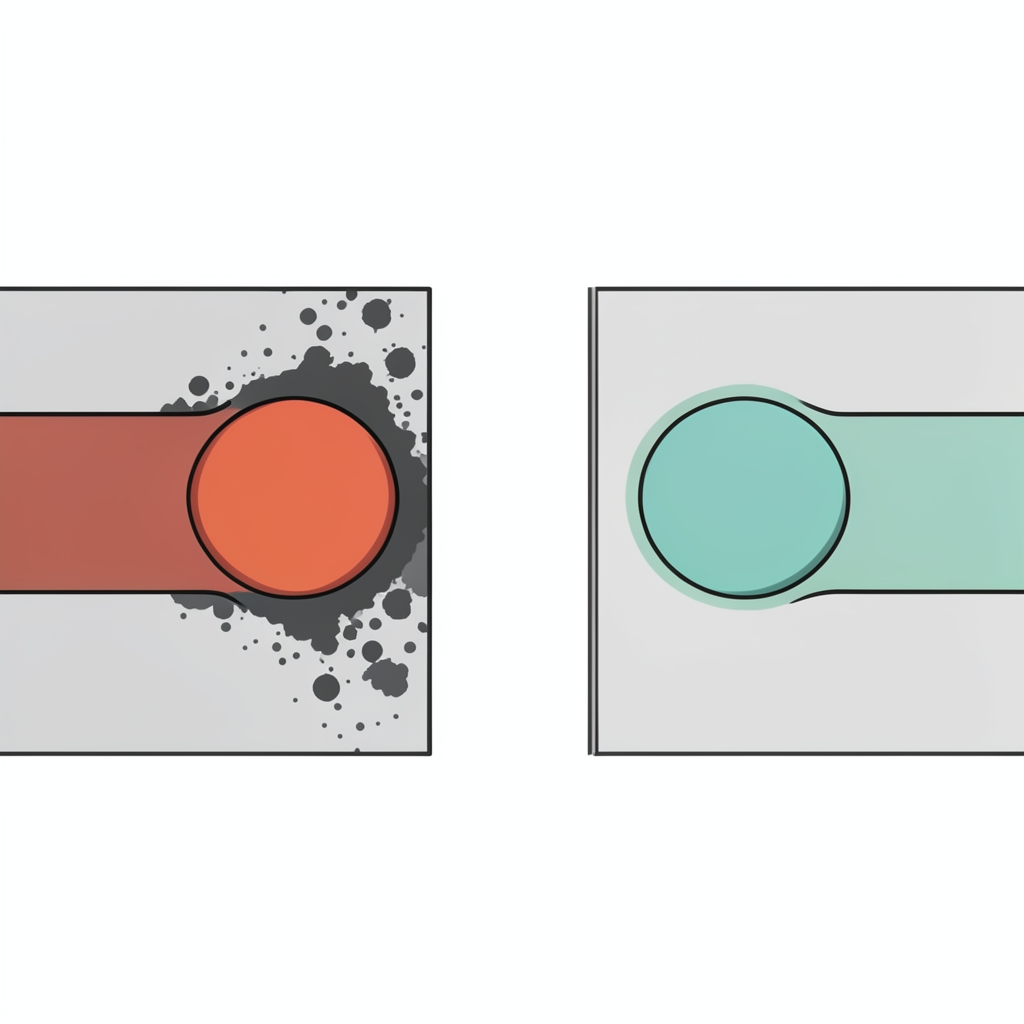
Two silicone sealants from the same JC/T 485-2007 family, same neutral cure chemistry, same 300 mL cartridge and 590 mL sausage packaging — and one of them reaches handling strength 40 minutes sooner than the other. That single difference decides whether a window line can pack units the same shift or has to leave them overnight.
PR-333 vs PR-8800 comes down to three measurable parameters: tack-free time, extrusion rate and the adhesion figures on the datasheet. Everything else about the two grades is deliberately similar, because they are built for the same joint.
Both are window and door silicone sealant grades from the same Chinese standard, and both are neutral cure. The question a buyer actually asks is which one the production line needs.
- PR-8800 is the fast cure grade — tack-free in 0.8 hours, for production lines where handling time sets the takt.
- PR-333 is the standard grade — tack-free in 1.2 hours, with 92% elastic recovery and a stated tensile modulus.
- Both are tested to JC/T 485-2007 and both are neutral cure, so neither attacks anodised aluminium or coated profiles.
- Both are non-hazardous goods with a 12-month shelf life.
- The choice is about line speed, not about joint quality — both are the same standard.
PR-333 vs PR-8800: the differences
| PR-333 | PR-8800 | |
|---|---|---|
| Product standard | JC/T 485-2007 | JC/T 485-2007 |
| Cure system | Neutral Cure | Neutral Cure |
| Tack-free time | 1.2 h (max 72) | 0.8 h (max 72) |
| Extrusion rate | 210 mL/min (min 50) | 190 mL/min (min 50) |
| Sag resistance (vertical) | 0 mm (max 2) | 0 mm (max 2) |
| Sag resistance (horizontal) | 0 mm (max 2) | 0 mm (max 2) |
| Elastic recovery rate | 92% | Not stated on the datasheet |
| Tensile modulus | 0.7 MPa | Not stated on the datasheet |
| Tensile adhesion (Type M) | Not stated on the datasheet | 0.36 MPa |
| Tensile adhesion (Type G) | Not stated on the datasheet | 0.35 MPa |
| Density | 1.56 g/cm³ | Available on request |
| Packaging | 300 mL cartridge, 590 mL sausage | 300 mL cartridge, 590 mL sausage |
| Shelf life | 12 months from production date | 12 months from production date |
| Transport class | Non-hazardous goods | Non-hazardous goods |
Values are typical figures taken from our own test reports for Zhongshan Pinrui Adhesive Technology. They are not intended for specification purposes; ask for the sealed, un-redacted report for project submittal.
Where the choice actually matters
Factory production lines: PR-8800
On a fabrication line the constraint is throughput. PR-8800 reaches tack-free in 0.8 hours, so an assembled and sealed unit can be handled, turned and packed within the same shift instead of being held overnight. That is the figure that turns a sealant choice into a labour cost. Its adhesion results are stated directly on the datasheet — 0.36 MPa tensile adhesion to Type M substrate and 0.35 MPa to Type G — so the specifier can check those against their own substrate without a separate test report. As a silicone sealant for a production line, it is doing a different job from a site-grade bead.
Site work and movement-heavy joints: PR-333
PR-333 is the grade to specify where the joint is made and cured on site, or where the opening will see years of movement cycling. The 92% elastic recovery rate is the number that matters over that timescale: the bead returns towards its original shape instead of taking a permanent set, which is what keeps a window or door perimeter joint closed rather than slowly opening into a path for water. Its 0.7 MPa tensile modulus and 0 mm vertical and horizontal sag also make it predictable on overhead and side joints. As a site-applied silicone sealant it behaves more like the reference grade the industry specifies.
When the difference is irrelevant
If the joint is a small perimeter seal on a low-volume job, with no takt-time pressure and no sustained movement demand, PR-333 and PR-8800 will both do the work. At that point the decision is commercial: MOQ, packaging format and lead time. We would not build a specification argument around 24 minutes of tack-free time in that situation.
How to specify PR-333 vs PR-8800 in one line
Ask for the grade by its handling requirement, not by a marketing description. “Neutral cure window and door sealant to JC/T 485-2007” settles the standard and leaves the choice open. “JC/T 485-2007, tack-free 0.8 h, for same-shift handling on the assembly line” tells any supplier exactly what to send — and if a supplier cannot confirm the tack-free time on their own datasheet, that is the gap to close before you order.
Where to source both grades
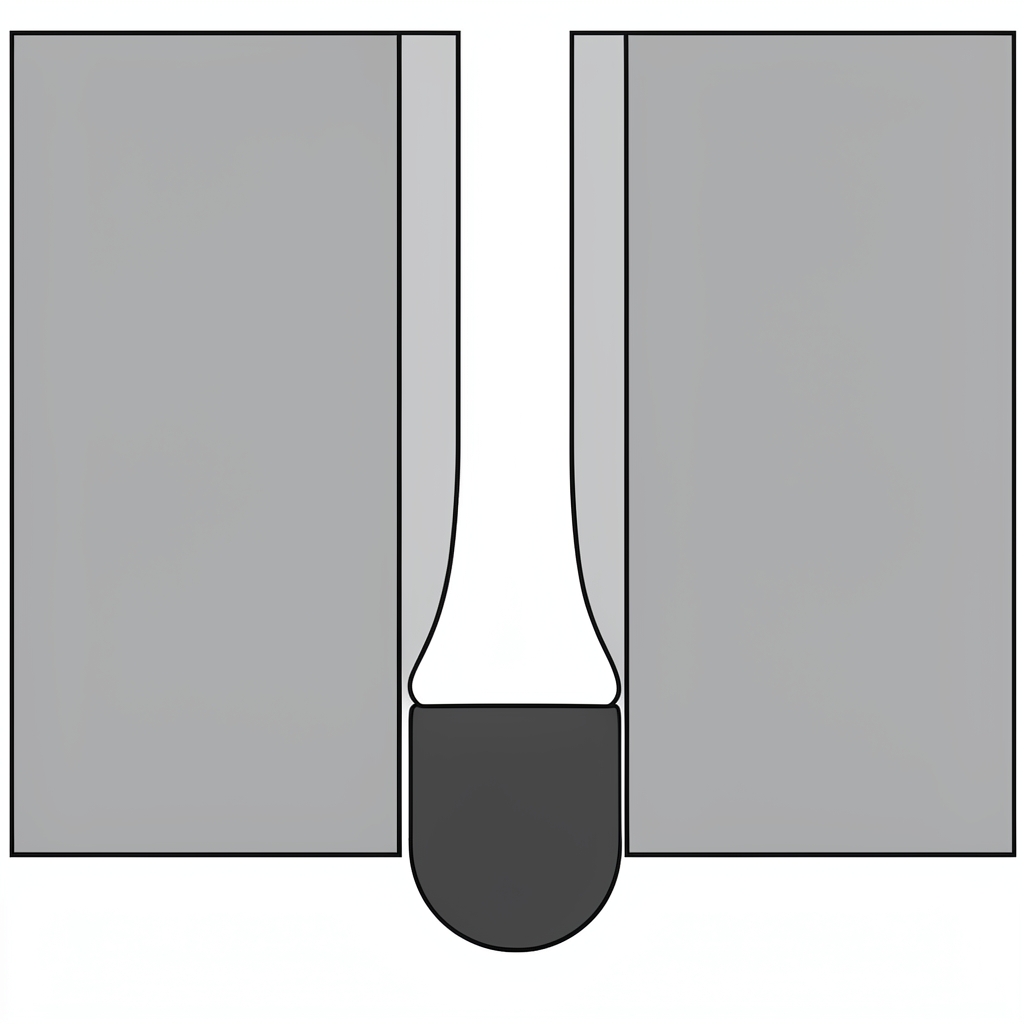
PIROI manufactures both grades in Zhongshan, China. The PR-333 window and door sealant is the standard grade, and the PR-8800 fast cure door and window sealant is the production-line grade. Both are available in 300 mL cartridges and 590 mL sausage packs, with OEM and private label packing, mixed-model trial orders from 3,000 pcs, stock from 500 pcs and lead time of 15–25 days after artwork and sample approval. Our window and door sealing application page covers joint preparation, sizing and backer rod placement, and the full product range shows where each grade sits against the rest of the range. Send us your line takt time and your substrates, and we will confirm which grade to send and supply samples.